Travel Guide
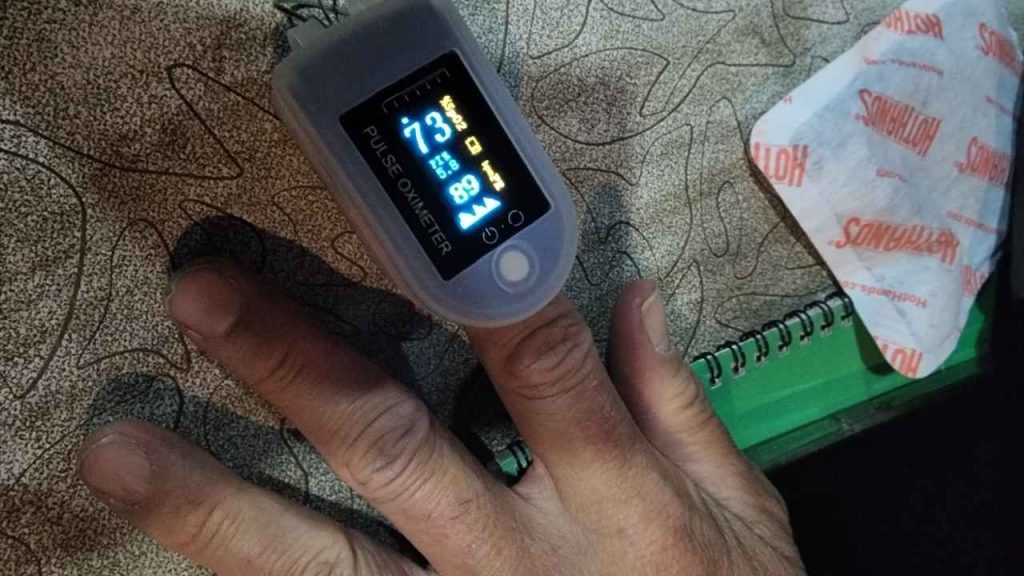
Everest Base Camp Trek Altitude Sickness: Symptoms, Causes & Prevention
Altitude sickness is one of the main health concerns on the Everest Base Camp trek. The route rises from Lukla at about…
S
Saligram
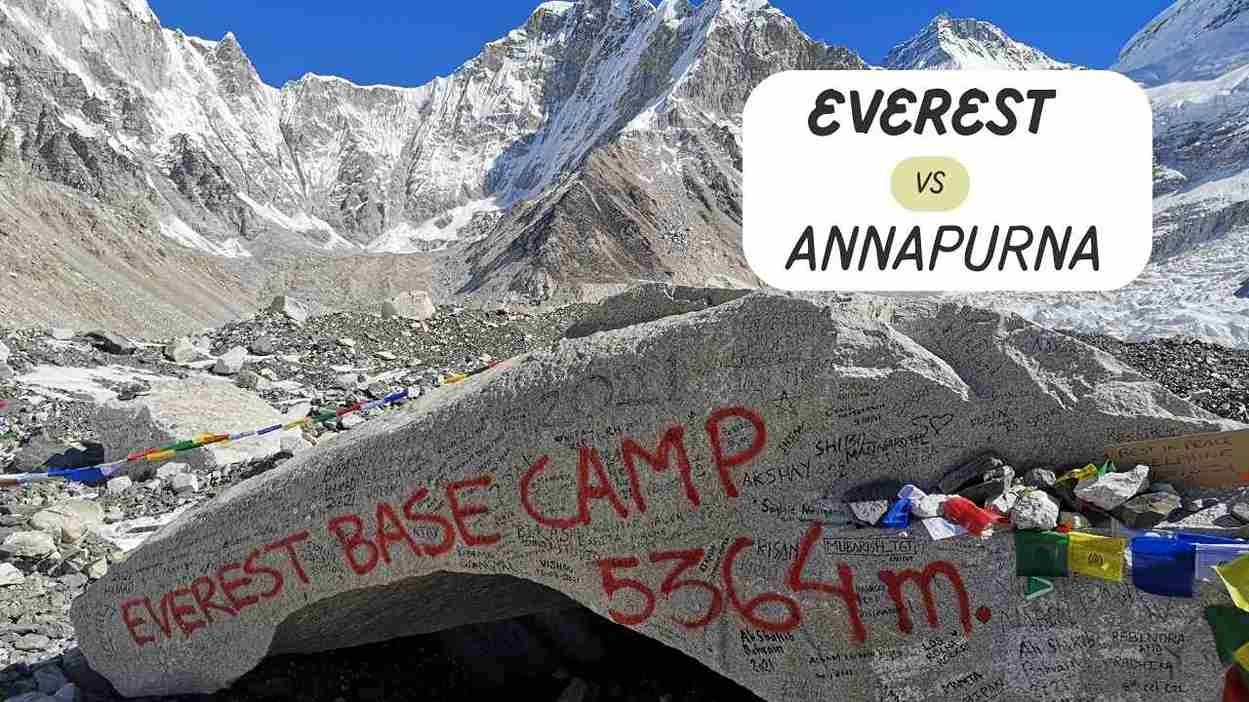
Everest Base Camp or Annapurna Base Camp? Compare altitude, difficulty, cost, scenery, duration, and route to decide which trek suits you.
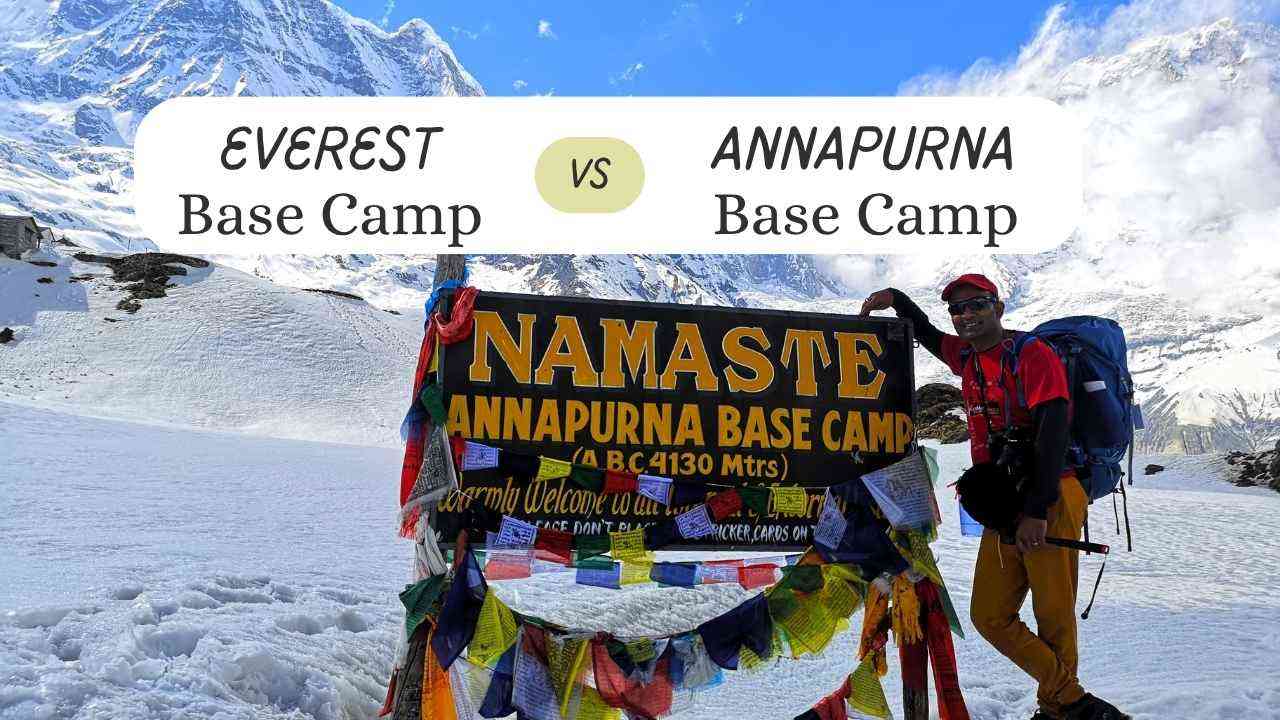
The Everest Base Camp Trek and Annapurna Base Camp Trek suit different types of trekkers.
EBC takes you through the Khumbu region to Everest Base Camp at 5,364 meters. The route passes through Namche Bazaar, Tengboche, Dingboche, Lobuche, and Gorak Shep.
ABC takes you into the Annapurna Sanctuary at about 4,130 meters. The trail moves through villages and forests before reaching Machapuchare Base Camp and Annapurna Base Camp.
Choose EBC if reaching Everest is the main goal.
Choose ABC if you have less time and prefer a lower-altitude route with forests, villages, and close views of the Annapurna range.
You can compare the full Everest Base Camp Trek package and Annapurna Base Camp Trek package before deciding.
| Feature | Everest Base Camp Trek | Annapurna Base Camp Trek |
| Base Camp altitude | 5,364 m | 4,130 m |
| Typical trek length | About 12–14 days | About 7–11 days, depending on route |
| Main access | Lukla | Pokhara and road-access trailhead |
| Highest common overnight stop | Gorak Shep, 5,164 m | Annapurna Base Camp, 4,130 m |
| Main physical challenge | Altitude and long walking days | Steep climbs and descents |
| Main mountain views | Everest, Lhotse, Nuptse, Ama Dablam | Annapurna I, Annapurna South, Machapuchare, Hiunchuli |
| Main cultural setting | Sherpa villages and Buddhist monasteries | Gurung villages and local communities |
| Accommodation | Teahouses and lodges | Teahouses and lodges |
| Better for a short trip | Less suitable | More suitable |
| Altitude concern | Higher | Lower, but still possible |
Dudh Koshi Valley toward Namche Bazaar. From Namche, the trail continues to Tengboche, Dingboche, Lobuche, and Gorak Shep before reaching Everest Base Camp.
A typical itinerary includes acclimatization stops in Namche Bazaar and Dingboche.
The route also passes through Sherpa settlements, Buddhist monasteries, suspension bridges, and high mountain valleys.
If you want the complete day-by-day route, see our Everest Base Camp Trek itinerary.
The ABC route enters the Annapurna Sanctuary from the lower hills of the Annapurna region.
The trail passes through villages, terraced fields and forests before reaching the higher alpine section.
Common sections include Chhomrong, Sinuwa, Bamboo, Dovan, Deurali, Machapuchare Base Camp and Annapurna Base Camp.
The exact trailhead can vary because road access has changed the lower part of the route. Older itineraries may show Nayapul, while newer itineraries can start farther along the road.
Annapurna Base Camp sits at about 4,130 metres. See our Annapurna Base Camp Trek itinerary for the full route.
For most trekkers, EBC is harder because of altitude.
You spend several days above 3,000 metres and eventually sleep at Gorak Shep, around 5,164 metres.
ABC has a different physical demand. The trail includes steep climbs, long descents and many stone steps, especially around Chhomrong.
In simple terms:
Your fitness, pace and acclimatization also affect how difficult either trek feels. For more details, read our Everest Base Camp Trek difficulty guide.
EBC is significantly higher.
The difference is important because EBC requires more time at high elevation and a careful acclimatization schedule.
ABC still reaches an elevation where altitude sickness can occur, so its lower altitude does not remove the need for a sensible pace.
The two routes offer very different mountain scenery.
The route provides views of:
Ama Dablam is especially prominent around Tengboche and Dingboche.
The landscape becomes increasingly rocky as you approach Lobuche and Gorak Shep.
The route provides close views of:
The lower trail is greener, with forests and villages. The landscape changes as you approach Machapuchare Base Camp and Annapurna Base Camp.
ABC is generally the easier starting point for someone with little Himalayan trekking experience.
Its lower maximum altitude and shorter itinerary make it easier to manage for many first-time trekkers. The trail is still physically demanding because of its steep sections and many stairs.
EBC is also possible for a first-time Himalayan trekker. Previous mountaineering experience is not required on the standard route, but you need enough fitness for consecutive walking days and enough time for acclimatization.
ABC is more practical for a shorter Nepal trip.
Depending on the route and transport, ABC can often be completed in about 7–11 days.
EBC generally needs around two weeks when acclimatization and return travel are included.
Cutting acclimatization days from an EBC itinerary simply to save time is not advisable.
The total price depends on the package and what it includes.
Main cost factors include:
EBC generally costs more than ABC because it involves more trekking days, travel to Lukla and higher costs in the Khumbu.
ABC can cost less because road transport can reach closer to the walking route, depending on the itinerary.
For a detailed breakdown, see our Everest Base Camp Trek cost guide and Annapurna Base Camp Trek cost guide.
The standard EBC route begins at Lukla.
Trekkers normally travel to Lukla by air before starting the walk toward Phakding and Namche Bazaar.
Mountain flights depend on weather, so delays are possible.
Allow some flexibility in your itinerary if you are connecting the trek with international flights.
ABC is normally accessed from Pokhara.
Road transport now reaches several points closer to the trekking route. The exact starting point depends on the itinerary and current road conditions.
This is why you should not assume that every ABC trek starts at Nayapul.
The lack of a mountain flight makes the logistics simpler than EBC for many travellers.
EBC takes you through the Sherpa communities of the Khumbu.
Namche Bazaar is the largest settlement on the standard route. Farther along, you pass Buddhist monasteries, prayer wheels, mani walls and smaller mountain villages.
ABC passes through communities in the Annapurna region, including Gurung settlements.
The lower sections include villages, farmland and forests before the route enters the sanctuary.
The cultural setting is different on each trek. EBC has a stronger Sherpa and Buddhist character, while ABC offers more village and forest scenery in the lower sections.
Both routes mainly use teahouses and mountain lodges.
Lower-elevation villages generally have more accommodation choices.
On EBC, facilities become simpler around Lobuche and Gorak Shep. Rooms are usually basic, and bathrooms may be shared.
ABC also uses simple teahouses, with facilities varying between villages.
For more detail about rooms, bathrooms, food, heating and charging, read our Everest Base Camp Trek accommodation guide.
Teahouses on both routes serve simple meals.
Common options include:
Menus become more limited at higher elevations.
Prices also tend to rise farther from road access because supplies are harder to transport.
Dal bhat is a common choice because it is filling and provides carbohydrates and protein.
EBC is one of Nepal’s busiest trekking routes.
Namche Bazaar and other major stops can become crowded during the main trekking seasons.
ABC is also popular, especially in spring and autumn. Crowd levels vary according to the route and travel month.
If quieter trails are important to you, consider your travel dates as well as your choice of trek.
Both routes are suitable for spring trekking.
March, April and May are popular months.
ABC has an added attraction in spring because sections of the lower route pass through rhododendron forests.
EBC offers high mountain views when visibility is good, although weather can change quickly at altitude.
September, October and November are popular months for both routes.
October is particularly busy on major trekking routes.
Weather can still change at high altitude, so good visibility is never guaranteed even during the main trekking season.
Permit and guide requirements should be checked before departure because Nepal’s trekking regulations can change.
The Nepal Tourism Board currently lists Everest Base Camp and Poon Hill–ABC among the trekking routes covered by the requirement for a licensed trekking guide and an agency-issued TIMS card.
You also need the applicable protected-area entry permit or fee.
For EBC, this includes entry into Sagarmatha National Park.
For ABC, this includes the Annapurna Conservation Area.
Your trekking agency should arrange the required documents and confirm the current fees before your trek.
Yes.
ABC can be a useful first Himalayan trek if you have limited high-altitude experience.
It gives you experience with several consecutive days of walking, mountain weather and teahouse accommodation.
It does not, however, replace EBC acclimatization. ABC reaches about 4,130 metres, while Everest Base Camp is 5,364 metres.
Yes, provided you have enough time.
The two routes are in different regions, so you need to allow time for travel between them.
Plan for:
Avoid scheduling the two treks so tightly that one transport delay affects the entire trip.
Travel insurance is recommended for both treks.
For EBC, pay particular attention to the policy’s altitude limit because the trek reaches more than 5,000 metres.
Check whether the policy covers:
Do not assume that a standard travel insurance policy covers high-altitude trekking or helicopter evacuation.
Read the exclusions before buying the policy.
Our travel insurance for trekking in Nepal guide covers the main points to check.
A standard itinerary can look like this:
Day 1: Arrival in Kathmandu
Day 2: Kathmandu to Lukla and trek to Phakding
Day 3: Phakding to Namche Bazaar
Day 4: Acclimatization in Namche Bazaar
Day 5: Namche Bazaar to Debuche
Day 6: Debuche to Dingboche
Day 7: Acclimatization in Dingboche
Day 8: Dingboche to Lobuche
Day 9: Lobuche to Gorak Shep and Everest Base Camp, then back to Gorak Shep
Day 10: Gorak Shep to Kala Patthar and trek to Pheriche
Day 11: Pheriche to Namche Bazaar
Day 12: Namche Bazaar to Lukla
Day 13: Lukla to Kathmandu
Day 14: Departure
The actual schedule can change because of weather, flight delays, acclimatization needs and route conditions.
A shorter ABC itinerary can look like this:
Day 1: Arrival in Kathmandu
Day 2: Drive or Fly to Pokhara
Day 3: Drive to Jhinu, and overstay at Chhomrong.
Day 4: Chhomrong to Bamboo
Day 5: Bamboo to Deurali
Day 6: Deurali to Annapurna Base Camp via Machhapuchhre Base Camp
Day 7: Descend from ABC to Bamboo
Day 8: Bamboo to Pokhara
Day 9: Pokhara to Kathmandu
Day 10: Departure
The starting point and daily stops vary according to road access, itinerary length, and walking pace.
Choose Everest Base Camp if Everest is the goal.
You will spend more time at high altitude, travel through the Khumbu and reach 5,364 metres at Base Camp.
Choose Annapurna Base Camp if you want a shorter, lower-altitude trek.
You will pass through forests and villages before entering the Annapurna Sanctuary, with close views of Annapurna and Machapuchhare.
Before booking, compare the actual itinerary, overnight altitudes, acclimatization schedule, transport arrangements, current guide requirements, and what your package includes.
Connect with an expert - real trek leaders in Kathmandu, free advice, no pressure.
Altitude sickness is one of the main health concerns on the Everest Base Camp trek. The route rises from Lukla at about…
Saligram
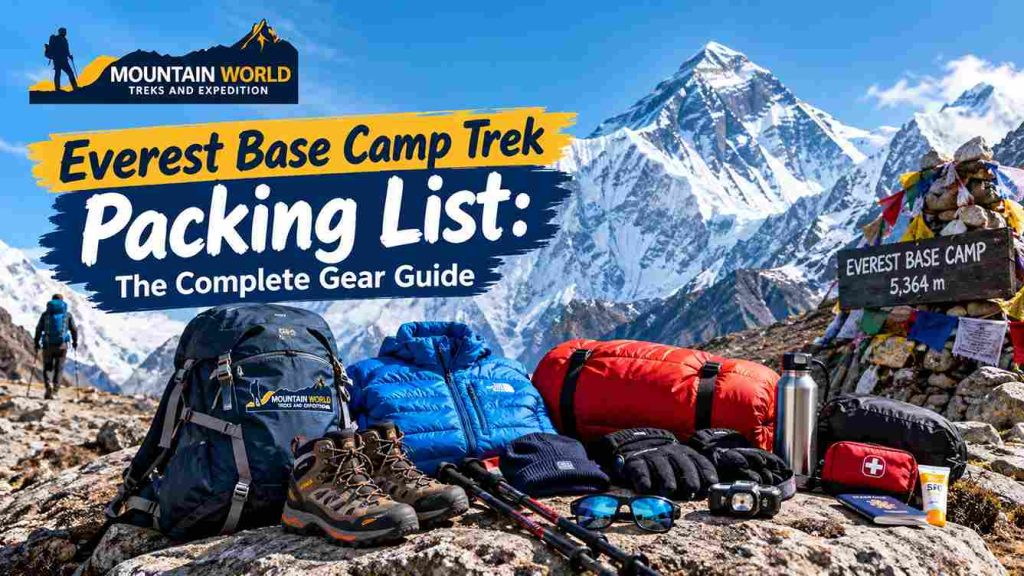
For the Everest Base Camp Trek, you need a reliable layering system, broken-in trekking boots, warm insulation, waterproof protection, a suitable sleeping…
Saligram
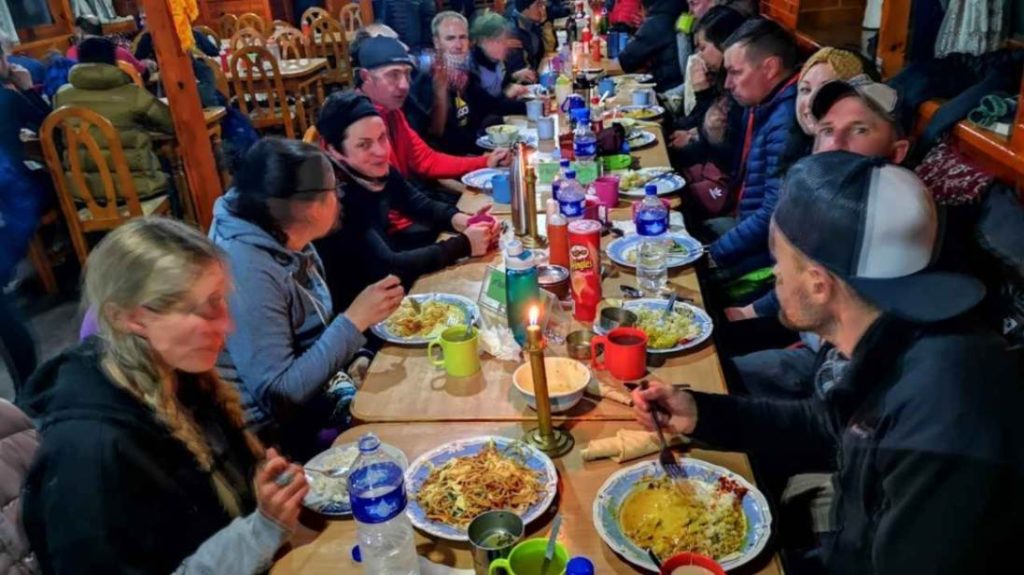
Everest Base Camp Trek food and drinks are mostly served in teahouses, with dal bhat, noodles, soup, momos, pasta, rice dishes, and…
Saligram
Here's everything people ask me before they got confused to choose the best trek for them.
For most trekkers, yes.
EBC reaches 5,364 metres and keeps you at high elevation for several days. ABC reaches about 4,130 metres, but its steep steps and repeated climbs and descents can still be tiring.
The main difference is the type of challenge. EBC places more emphasis on altitude and acclimatization, while ABC places more physical demand on your legs.
ABC is generally the easier introduction because it is shorter and reaches a lower maximum altitude.
EBC can also be a first Himalayan trek if you are fit, prepared and follow an itinerary with enough acclimatization time.
EBC.
The route takes you into the Khumbu and toward Everest Base Camp. You also see Lhotse, Nuptse, Ama Dablam and other major peaks.
ABC focuses on the Annapurna range instead.
EBC normally takes longer.
A standard EBC itinerary is around 12–14 days, while ABC can often be completed in about 7–11 days depending on the route and transport.
Yes.
The risk is higher on EBC, but ABC also reaches an elevation where altitude sickness can occur.
If you develop severe headache, unusual weakness, confusion, difficulty breathing or loss of coordination, tell your guide immediately.
ABC is generally cheaper.
It usually involves fewer trekking days, and road transport can reach closer to the route.
EBC normally costs more because of the longer itinerary, mountain flights and higher costs in the Khumbu.
ABC.
A one-week trip is much more realistic for ABC than for the standard EBC route.
EBC needs enough time for acclimatization and the return journey.
Yes.
The standard EBC trek does not require technical climbing skills.
You should prepare for several consecutive days of walking and high altitude. You must also follow the current guide and TIMS requirements for the route.
They offer different experiences.
EBC takes you through Sherpa communities and Buddhist sites in the Khumbu.
ABC passes through communities in the Annapurna region, including Gurung settlements.
Both offer strong but different subjects.
EBC gives you changing views of Everest, Lhotse, Nuptse and Ama Dablam.
ABC gives you close views of the Annapurna range and Machapuchare as you enter the sanctuary.
Weather and visibility affect the views on either trek.
Choose EBC if Everest is the main goal and you have enough time for a higher-altitude trek.
Choose ABC if you want a shorter route with a lower maximum altitude and a mix of villages, forests and high mountain scenery.
Still have questions? Our team responds within 24 hours.
Inquire Now


