You do not need to be an athlete to complete the Everest Base Camp Trek. This Training Plan for Everest Base Camp Trek helps you build the endurance, leg strength, and recovery needed for several hours of walking on uneven trails over many days.
Start two to three months before your trek if possible. If you already walk or hike regularly, you may need less time. If you are starting from an inactive routine, give yourself more time.
This guide explains what to train, how to structure your weeks, and how to test your fitness and trekking gear before you leave.
Why You Need a Training Plan for Everest Base Camp Trek
The Everest Base Camp Trek is not a single hard climb. The physical demand comes from repeating long walking days, climbing and descending uneven trails, and continuing after your legs are already tired.
Altitude adds another challenge. Training cannot prepare your body for high-altitude air or prevent altitude sickness. It can, however, improve your endurance and leg strength so the walking itself places less strain on your body.
Your preparation should therefore cover:
- Cardiovascular endurance for long walking days
- Leg strength for climbs and descents
- Core and upper-body strength for carrying a pack
- Hiking practice on uneven terrain
- Recovery between training sessions
- Familiarity with your boots, pack, and trekking poles
The aim is not to train as hard as possible. It is to arrive at Lukla fit enough to handle the walking without starting the trek already fatigued.
How Long to Train Before the Everest Base Camp Trek
For most beginners, 8 to 12 weeks is a useful training window. If you already hike or walk several times a week, six to eight weeks of focused preparation may be enough. If you have been inactive for a long period, starting four months ahead gives you more time to build gradually.
Avoid trying to make up for missed training in the final two weeks. Increasing your workload too quickly can leave you with sore joints, muscle fatigue, or an injury just before departure.
A simple progression is:
- Weeks 1–4: Build a regular fitness routine.
- Weeks 5–8: Increase walking time, hills, and pack weight.
- Weeks 9–11: Complete your longest practice hikes.
- Week 12: Reduce training and recover before departure.
The Three Phases of an Everest Base Camp Training Plan
Phase 1: Build Your Base
The first four weeks are about consistency. Start with regular walking or other cardio and add basic strength exercises. If you are new to exercise, keep the sessions manageable and increase them gradually. Focus on:
- 30–45 minute cardio sessions
- Basic squats, lunges and step-ups
- One short practice hike each week
- At least one full rest day each week
You should finish this phase feeling stronger, not exhausted.
Phase 2: Build Endurance
During weeks five to eight, increase the amount of time you spend on your feet. Add longer hikes, hills or stairs and begin using a daypack similar to the one you will carry in Nepal. The goal is to make several hours of walking feel familiar. Your long weekend hike can gradually reach three to five hours.
Phase 3: Peak and Taper
Weeks nine to eleven are your hardest training period. Complete your longest practice hike during this phase. Six to seven hours is a useful target if your body has adapted well to the earlier workload. Then reduce your training during the final week. The purpose of tapering is to let your legs recover before the trek.
Cardio Training for the Everest Base Camp Trek
Cardio helps you handle sustained walking without tiring as quickly. Choose an activity you can do consistently. Good options include:
- Brisk walking
- Hiking
- Cycling
- Swimming
- Incline treadmill walking
Aim for three to four cardio sessions per week. A simple weekly structure is:
- Two sessions: 45–60 minutes at a comfortable, steady pace
- One long session: 2–3 hours, preferably hiking or walking on hills
- One optional session: Cycling, swimming, or another low-impact activity
Increase the duration of your longer sessions gradually. You do not need to train for speed. The trek is about spending hours on your feet at a steady pace.
Strength Training for the Everest Base Camp Trek
Strength training should support your walking rather than focus on building muscle mass. Two sessions per week are enough for most trekkers. Include:
- Squats: For quads and glutes
- Lunges: For leg strength and balance
- Step-ups: To practice the repeated motion of climbing
- Calf raises: To strengthen the lower legs
- Planks: For core stability
- Back and shoulder exercises: To help with carrying a pack
You do not need a gym. Bodyweight exercises, resistance bands, and stairs can cover much of your preparation. As your fitness improves, you can add resistance gradually. Do not increase the weight and training volume at the same time.
Practice Hikes for Everest Base Camp Trek Training
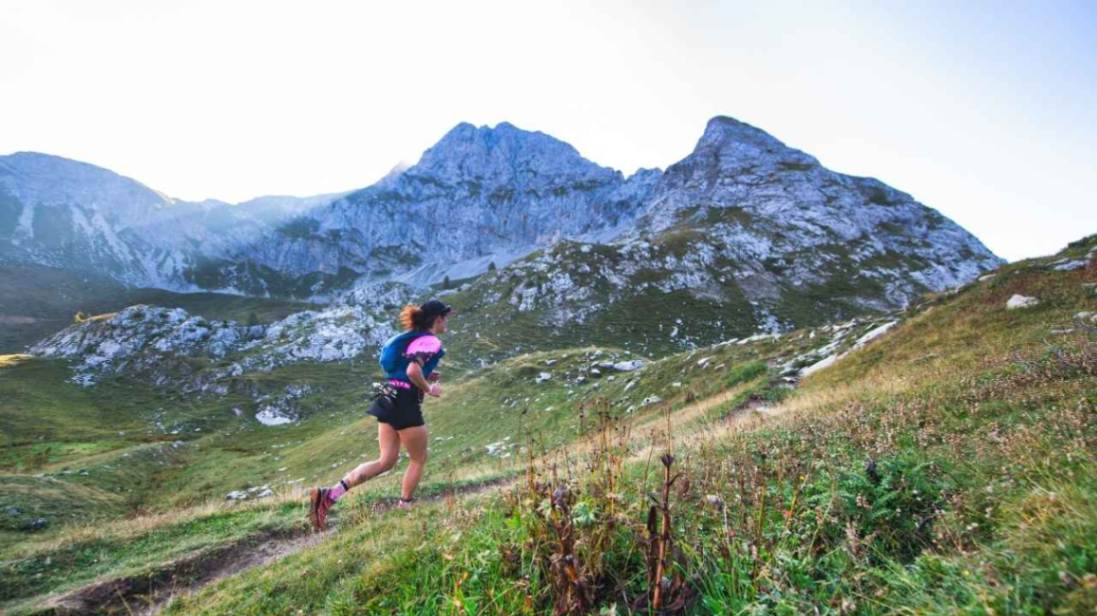
Practice hikes are one of the most useful parts of your preparation because they train both your body and your equipment. Start with one- to two-hour hikes. Over the following weeks, increase the duration until you can handle five to seven hours on your feet. Whenever possible, include:
- Uphill sections
- Downhill sections
- Uneven ground
- Long continuous walking
- The boots you will use in Nepal
- The daypack you plan to carry
Use a similar pack weight to what you expect to carry on the trek. There is no need to carry an unnecessarily heavy pack just for training. If you live in a flat area, use:
- Incline treadmill walking
- Stair climbing
- A stair machine
- Long brisk walks
- Step-up exercises
These will not reproduce a mountain trail perfectly, but they can build useful leg endurance when hills are unavailable.
Preparing for Altitude
No, home workout can reproduce the conditions you will experience at Everest Base Camp. Good fitness can make the physical work of trekking easier, but fitness does not prevent altitude sickness. Your body still needs time to adjust as you ascend.
The most important preparation is understanding the role of acclimatization during the trek. Your itinerary should include rest or acclimatization days at higher elevations. Follow your guide’s pacing advice and do not treat feeling fit as a reason to ascend faster. If you develop symptoms of altitude illness, tell your guide promptly. Severe or worsening symptoms should never be ignored.
Breathing exercises can be used as part of your general training if you find them useful for controlling your breathing during exercise. They should not be presented as a way to acclimatize to high altitude. If you live near the mountains, spending time at moderate elevation before your trek may give you some exposure to altitude, but it is not a substitute for proper acclimatization on the route.
Mental Preparation for the Everest Base Camp Trek
Some training days will feel uncomfortable. Long climbs, cold mornings, and tired legs can test your patience. You can prepare for this by making some of your longer walks deliberately simple. Walk without music or constant entertainment and practice staying at a steady pace. During a difficult section, break the walk into smaller targets:
- Reach the next bend
- Walk to the next rest point
- Finish the next uphill section
- Take a short break and continue
This approach is useful on the actual trek when a distant destination feels too far away.
Diet and Hydration During Training
Your training period is a good time to establish eating and drinking habits that you can maintain during the trek. Focus on:
- Enough carbohydrates to support long training sessions
- Adequate protein for recovery
- Fruit and vegetables for a balanced diet
- Regular fluid intake
- Limiting alcohol, particularly close to demanding training sessions and departure
You do not need a special diet. Consistent meals and adequate nutrition are more useful than a last-minute change in what you eat. During training hikes, practice carrying and drinking from the bottle or hydration system you plan to use in Nepal.
Common Everest Base Camp Trek Training Mistakes
Starting Too Late
Trying to build months of fitness in two or three weeks leaves little time for gradual progression.
Only Using the Gym
Gym exercises can strengthen your legs, but they do not fully reproduce hours of walking on uneven ground.
Ignoring Descents
Downhill walking places different demands on your legs. Include descents in your practice hikes when possible.
Skipping the Taper
Hard training right up to departure can leave you tired before the trek starts.
Wearing New Boots on the Trek
Break in your boots during training hikes. Any rubbing or pressure points are much easier to fix at home.
Ignoring Recovery
More training is not always better. Your body needs rest between demanding sessions.
12-Week Everest Base Camp Trek Training Schedule
| Training period |
Cardio |
Strength |
Long hike |
| Weeks 1–4 |
3 sessions of 30–45 min |
2 sessions |
1–2 hours |
| Weeks 5–8 |
3–4 sessions of 45–60 min |
2 sessions |
3–5 hours |
| Weeks 9–11 |
3–4 sessions |
2 sessions |
Up to 6–7 hours |
| Week 12 |
Light walking |
Light or none |
No long hike |
Increase the workload only when your body is handling the current level comfortably. The schedule is a framework, not a test you have to complete exactly. If you are dealing with pain or recovering from an injury, reduce the workload and get appropriate professional advice.
Everest Base Camp Trek Itinerary and Training Demands
Understanding the route helps you see what your training needs to prepare for. A typical 14-day itinerary includes:
- Day 1: Arrive in Kathmandu
- Day 2: Fly to Lukla and trek to Phakding
- Day 3: Trek to Namche Bazaar
- Day 4: Acclimatization in Namche
- Day 5: Trek to Debuche
- Day 6: Trek to Dingboche
- Day 7: Acclimatization in Dingboche
- Day 8: Trek to Lobuche
- Day 9: Gorak Shep and Everest Base Camp
- Day 10: Kala Patthar and descent to Pheriche
- Days 11–12: Trek back toward Lukla
- Day 13: Fly to Kathmandu, with time for a possible weather delay
- Day 14: Departure
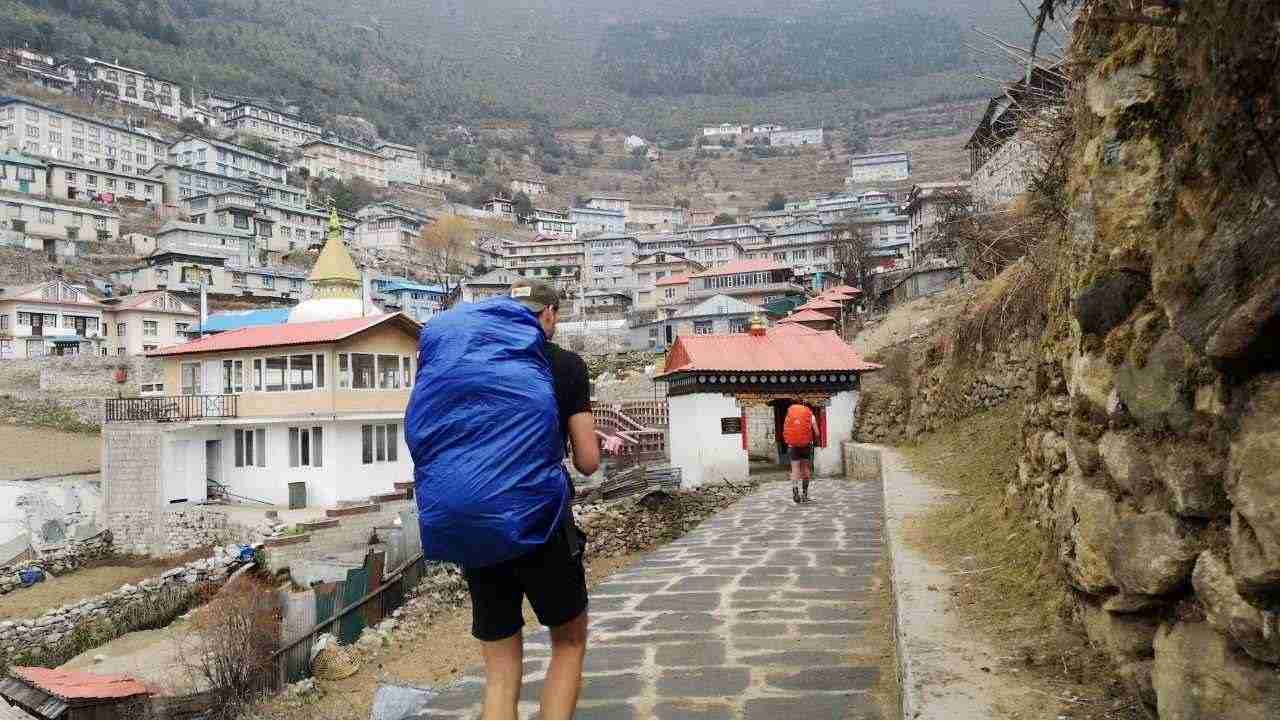
The route has several demanding sections. Namche involves a substantial climb, while the combination of Gorak Shep, Everest Base Camp and Kala Patthar creates some of the hardest walking of the trip. Your training should therefore include both long uphill efforts and repeated walking on tired legs.
Gear to Test During Everest Base Camp Trek Training
Training is also the right time to test the equipment you will use every day.
Trekking Boots
Wear your boots regularly during practice hikes for several weeks before departure. Check for rubbing, pressure points, and slipping.
Daypack
Use the same pack during longer hikes. Adjust the shoulder straps, hip belt, and load until you know what works for you.
Trekking Poles
Practise with your poles before the trek, especially on downhill sections.
Clothing and Sleeping Gear
If you plan to buy items such as a down jacket or sleeping bag in Kathmandu, you do not necessarily need to test them months in advance. Items that directly affect your feet, shoulders, or walking comfort deserve more attention.
Rest and Recovery
Recovery is part of the training plan. Aim for at least one full rest day each week. You may need two after a particularly demanding week or long hike. Prioritize:
- Adequate sleep
- Rest days
- Easy walking on recovery days
- Light mobility work
- Gradual increases in training
Do not try to train through persistent pain. If an injury does not settle with rest and reduced activity, seek advice from an appropriate healthcare professional before increasing your workload.