EBC TREK WITH GOKYO TREK IN NEPAL
Alexander
Singapore
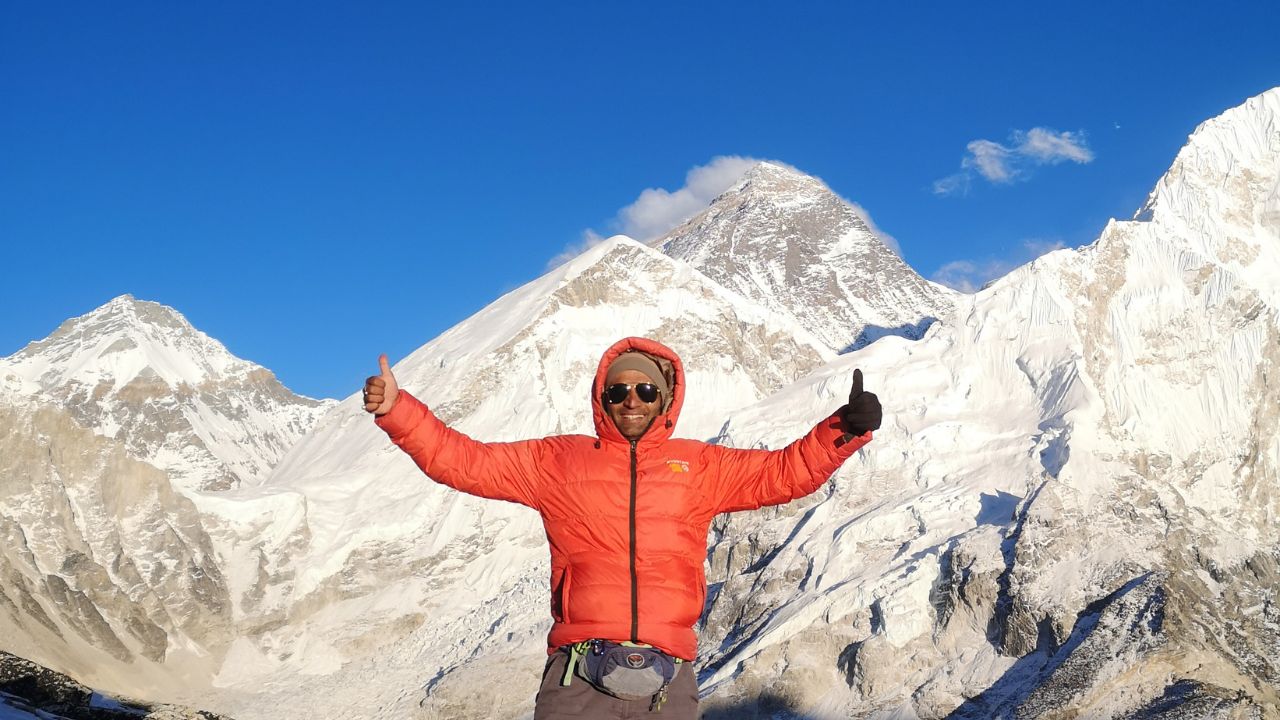
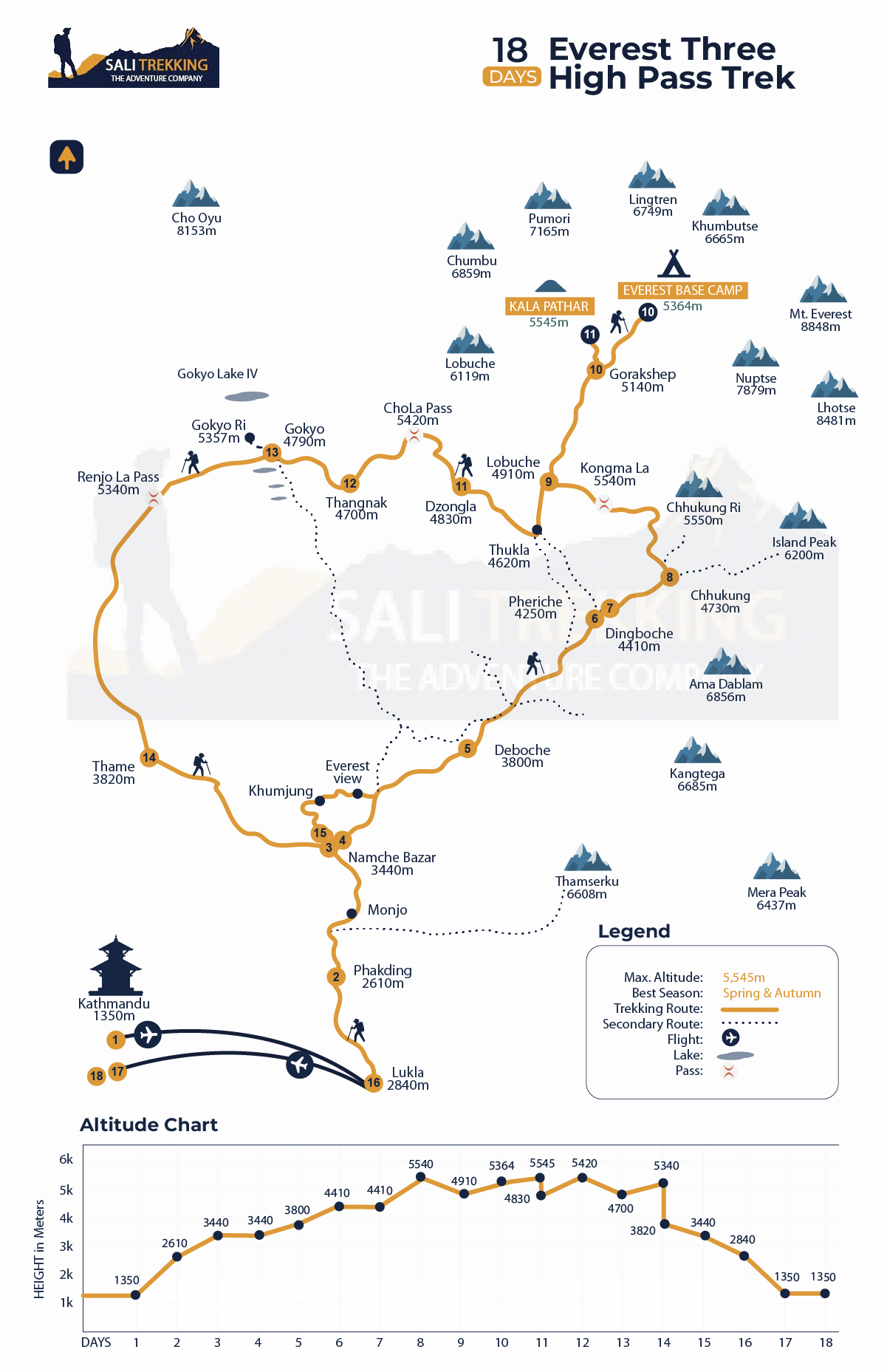
The Everest Three High Pass Trek is an 18-day journey in Nepal, with 15 days spent trekking through the Khumbu. It links Everest Base Camp (5,364 m), Kala Patthar (5,545 m), Gokyo Lakes, and Gokyo Ri (5,357 m) by crossing Kongma La (5,535 m), Cho La (5,420 m), and Renjo La (5,360 m). Rather than returning along the same valley, the trail forms a complete circuit, so each stage brings new landscapes, villages, and mountain views instead of repeating what you’ve already walked.
Most people looking at this trek have already heard about Everest Base Camp. What they’re less certain about is whether the three passes are worth the extra effort. I usually explain it this way: Everest Base Camp shows you one side of the Khumbu, while this route connects almost everything the region is known for. You visit the Base Camp, climb the most popular viewpoint, cross three high passes, spend time beside the Gokyo Lakes, and finish having seen far more than a single valley.
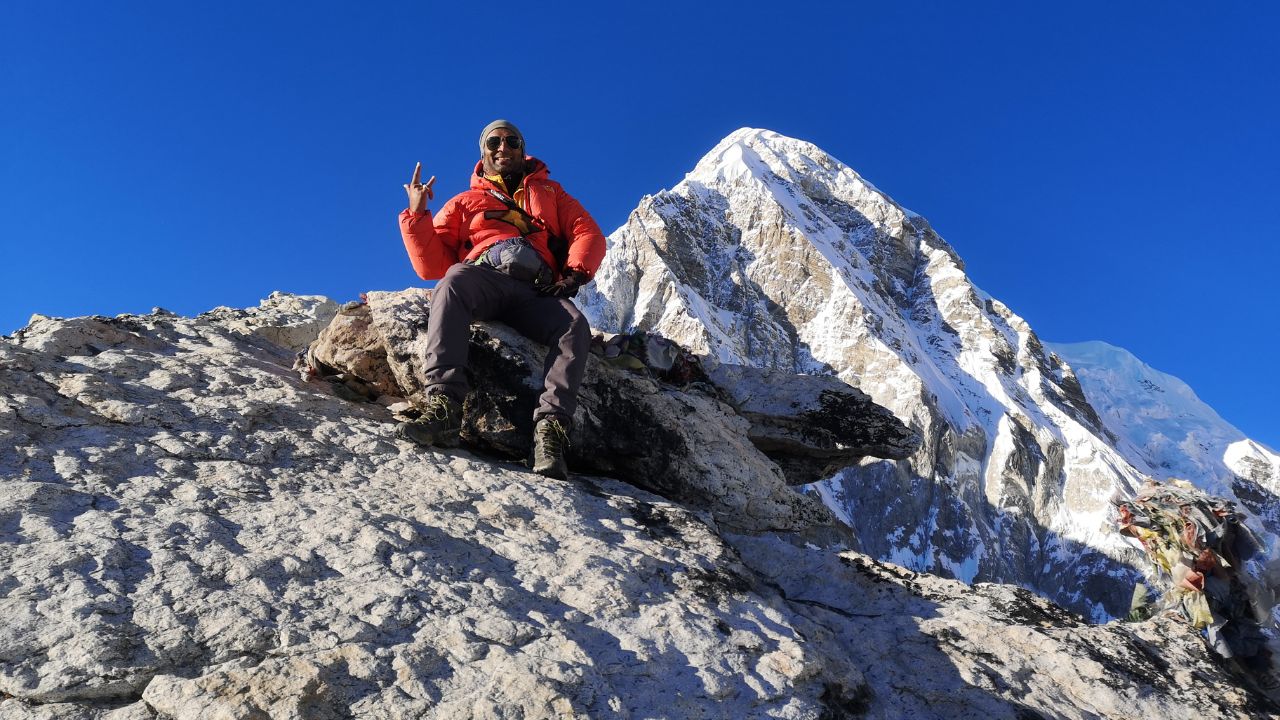
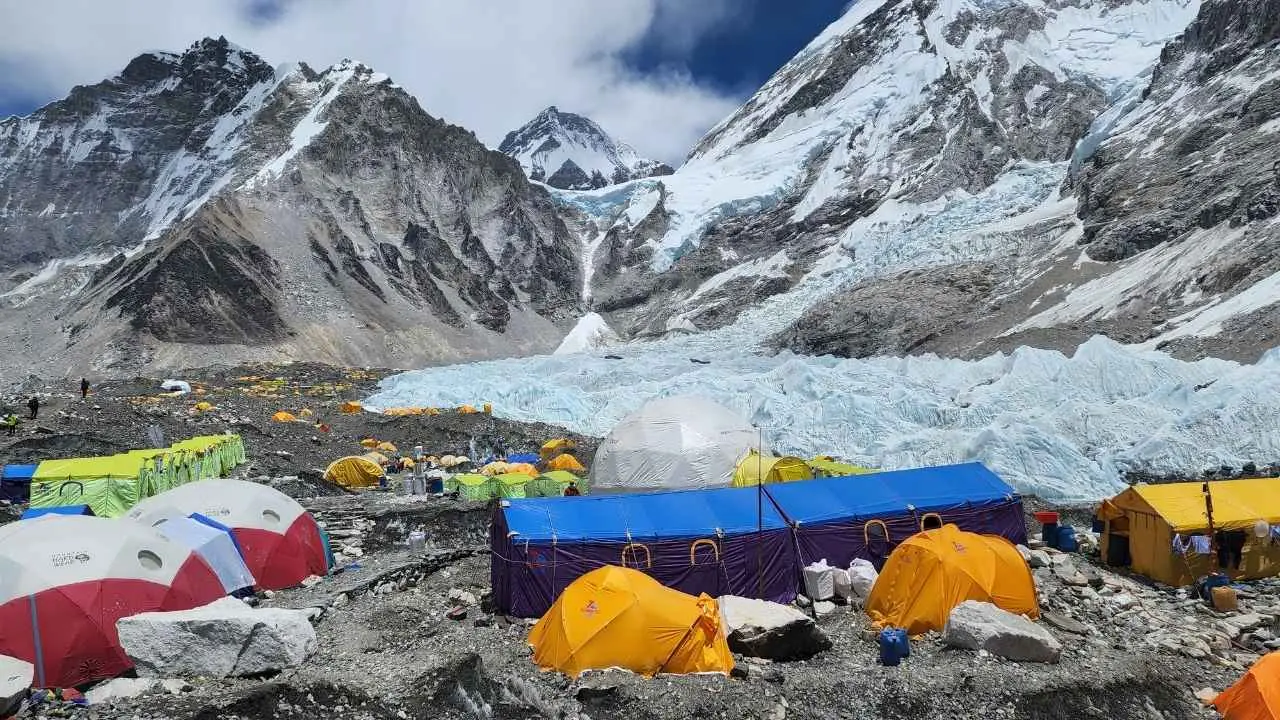
After flying to Lukla, the trail follows the Dudh Koshi Valley through Phakding, Namche Bazaar, Tengboche, Dingboche, Lobuche, Gorak Shep, Everest Base Camp, and Kala Patthar.
From there, the route leaves the familiar trail behind, crossing Kongma La to Chhukung, Cho La into the Gokyo Valley, and Renjo La before descending through Thame, Namche Bazaar, and back to Lukla. Travelling in a loop means each day feels like part of a continuing journey rather than a return trip.
People often expect the passes themselves to be the biggest obstacle. In reality, the bigger challenge is recovering well enough to cross the next one. You’ll spend several days above 4,500 metres, where every climb takes more effort and progress naturally slows. That’s why I build acclimatisation days into the itinerary before the higher sections instead of trying to gain altitude too quickly.
This trek takes place inside Sagarmatha National Park, so you’ll need a Sagarmatha National Park Entry Permit together with a Khumbu Pasang Lhamu Rural Municipality Entry Permit. I arrange both before the trek begins, and because the route stays on established trekking trails, no climbing permit is required.
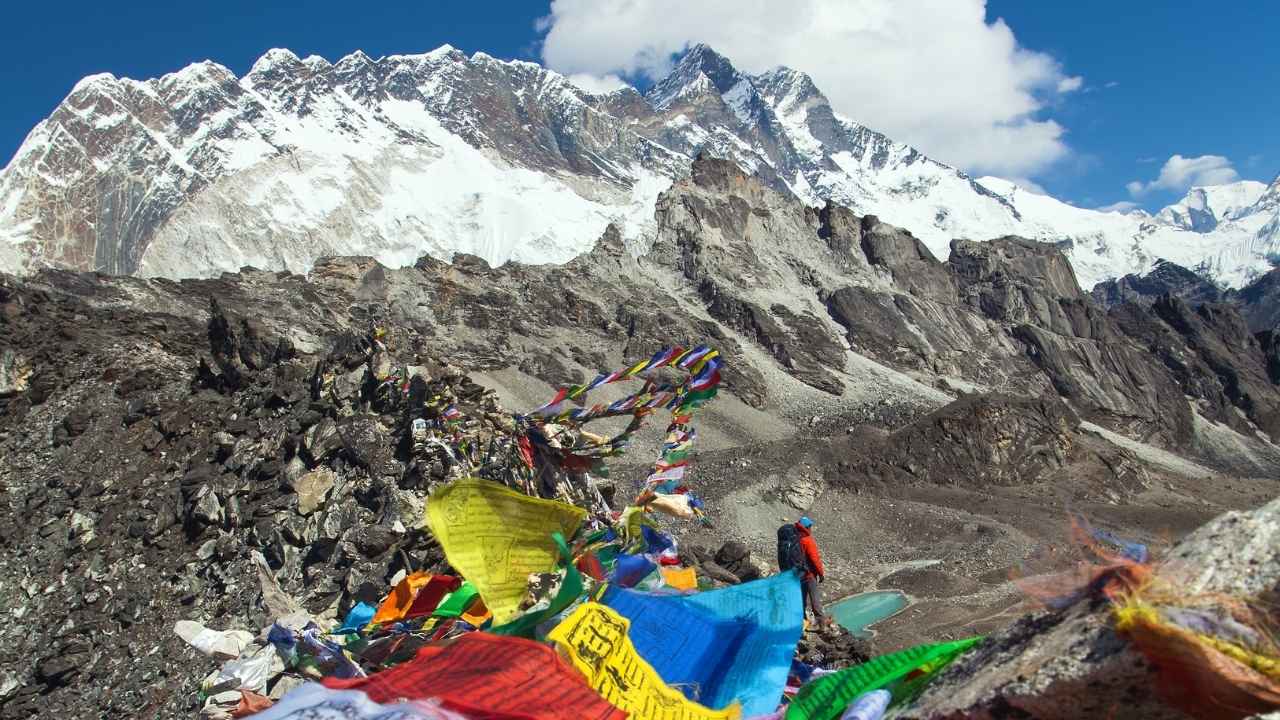
The landscape changes constantly throughout the circuit. Forest trails below Namche Bazaar gradually give way to open valleys, glacial moraines, frozen lakes, and exposed mountain passes. Crossing each pass means an early start, but it also brings a completely different view of the Khumbu on the other side. By the time you descend from Renjo La towards Thame, it feels like you’re entering another part of the Everest region altogether.
Most trekking days take between six and eight hours, with longer days on the pass crossings. I’ve found that the strongest trekkers aren’t always the ones who enjoy this route the most. The people who finish with the biggest smile are usually those who keep a steady rhythm, look after their acclimatisation, and treat the Three High Pass Trek as a journey across the Khumbu rather than a race between passes.
Total Distance
Walking Days
Accommodation
Meals
Transportation
Group Size
Guide
Porter
Best Season
Fitness Level
Permit
Trip Style
Starts
Ends
Choose the Everest Three High Pass Trek if you want a tougher route through the Everest region rather than the standard Base Camp trail. It involves long walking days, steep climbs and three passes above 5,000 m. It is better suited to trekkers with previous high-altitude trekking experience than to those doing their first high-altitude trek.
The trek involves several days above 4,000 m and three demanding pass-crossing days. You should be comfortable with steep climbs, rocky trails and several hours of walking at altitude.
The route moves through different valleys and mountain settlements before returning to Namche and Lukla. You spend more time away from the main Everest Base Camp trail and experience different parts of the region.
Some days involve several hours of walking with significant climbs and descents. The pass-crossing days are particularly demanding, so good fitness and proper acclimatization are important.
You should be ready for cold weather, changing trail conditions and limited facilities at higher elevations. Previous high-altitude trekking experience is helpful, especially if you have not crossed a 5,000 m pass before.
Because we know these passes from experience. I’ve been guiding in the Everest region for over 20 years and have crossed Kongma La, Cho La and Renjo La many times myself. Our guides know them too, including the weather windows, icy sections, which teahouses are open each season, and when it’s smarter to wait a day than push through. This trek is harder, higher and longer than standard Everest Base Camp, and we tell you that before you book, not after.
Saligram Started as a Trekking Porter
Became a Licensed Guide
Founded Mountain World Treks
Still Actively Guiding Treks in Nepal
Years of Experience, from Porter to Founder
Our guides know the Three High Pass route and conditions above 5,000 m. They know the difficult sections, and when conditions require extra care.
Saligram trains the guides at Mountain World Treks. Sudip, Niraj, Ishwor, Bipin, Dinesh, Suresh, Sital, Tek, and Ramesh have all learned from him directly.
This trek isn't ideal for first-time high-altitude trekkers. If you're unsure about your fitness or experience, talk to us first. We'll explain the route honestly.
We keep groups between 1 and 12 trekkers. Smaller groups are easier for guides to manage at higher altitude & allow more attention to each trekker.
Every guide carries a pulse oximeter and first-aid kit. From Namche onward, we watch how trekkers are coping and adjust pace or rest as needed.
Saligram started as a porter, so he knows the work well. Our porters receive fair pay, reasonable loads, and medical support throughout the trek.
Cross Kongma La from the Chhukung Valley, then descend through the Khumbu Glacier area toward Lobuche.
Walk from Lobuche to Gorakshep and continue to Everest Base Camp before returning toward the main trail.
Cross Cho La between Dzongla and Thangnak. The icy slope can be tricky, so take extra care during the crossing.
Walk through the Gokyo Valley and visit its glacial lakes before continuing toward Renjo La.
Cross Renjo La from Gokyo and descend toward the Thame Valley, with views across the high Khumbu from the pass.
After crossing Renjo La, descend through the Thame Valley before returning to Namche Bazaar and continuing to Lukla.
This is the exact 18-day itinerary I follow on every Everest Three High Passes trek I run. Starting in Kathmandu, we fly to Lukla and trek through Namche Bazaar and Dingboche to Chhukung, crossing Kongma La Pass to reach Everest Base Camp and Kala Patthar, then crossing Cho La Pass to Gokyo, and finally Renjo La Pass to Thame, before returning to Namche Bazaar, Lukla, and Kathmandu. Below, you’ll find the daily itinerary, overnight elevations, walking times, and practical advice based on my years leading treks in the Khumbu region.
The 18-day Everest Three High Pass Trek is USD 1,649 per person. The price covers the main costs of the trek, including Kathmandu accommodation, Lukla flights, trekking permits, teahouse stays, meals, a licensed guide and porter, airport transfers, government taxes, and service charges.
18-day package, your own dates and pace. Licensed guide and porter for your group.
Add helicopter returns, luxury lodges, extension treks, or photography guides.
Travel insurance is not included in the package. Before your trek, you must purchase a policy that covers high-altitude trekking (up to at least 6,000 m) and emergency helicopter evacuation. With three passes above 5,000 m (Kongma La, Cho La, and Renjo La) and the Everest Base Camp and Kala Patthar sections on top of that, this is the most physically demanding of your standard itineraries.
Challenging to strenuous. The Everest Three High Pass Trek is harder than the standard Everest Base Camp route because you cross Kongma La, Cho La and Renjo La, all above 5,000 m. The high altitude, steep climbs, rough sections and long walking days make the pass crossings demanding.
What Makes the Trek Challenging?
For more detail on the route, altitude, training, and preparation, see our Everest Three High Pass Trek Difficulty Guide.
You should have good trekking fitness before starting this route. You need to walk uphill and downhill for several hours, handle consecutive trekking days, and keep a steady pace at high altitude. Previous high-altitude trekking experience is helpful, especially for the three 5,000 m passes.
You’re Ready for the Three High Pass Trek If You:
For a detailed training plan and altitude preparation, see our Everest Three High Pass Trek Fitness & Training Guide.
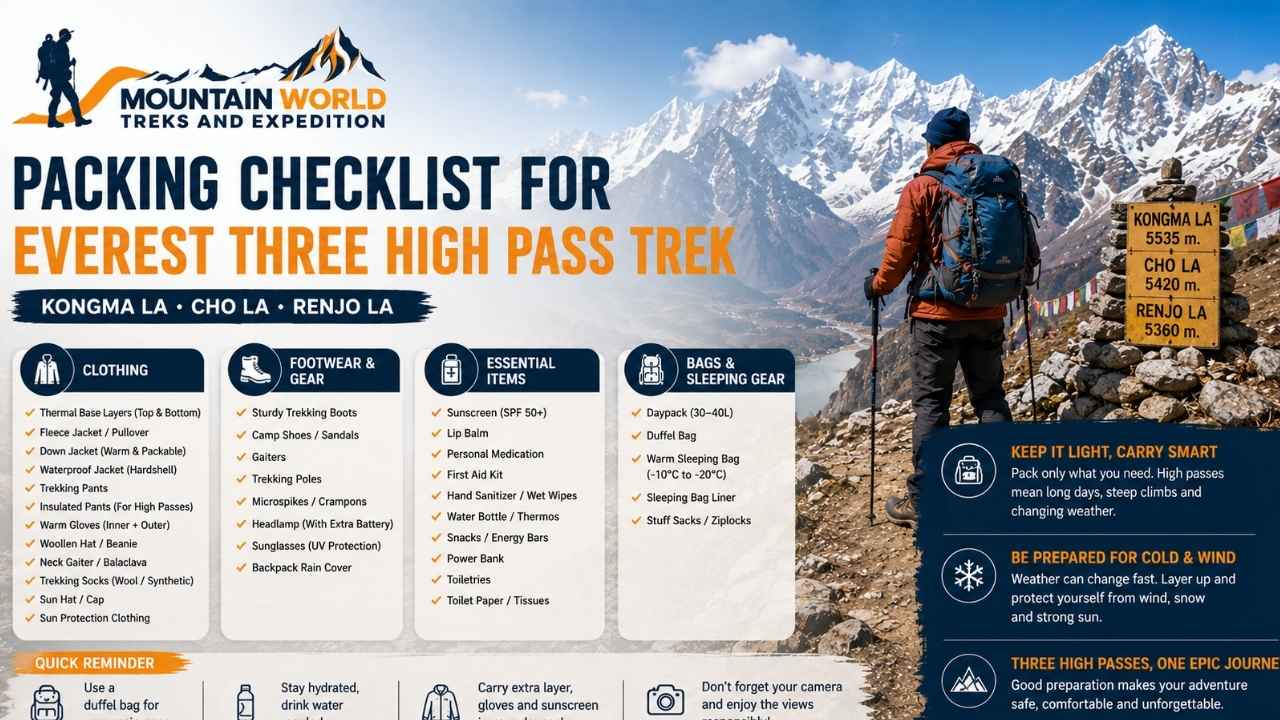
The Everest Three High Pass Trek crosses Kongma La, Cho La, and Renjo La, with long walking days and sections above 5,000 m. These guides cover the practical side of the trek, including insurance, permits, flights, weather, costs, solo trekking, and the Everest Base Camp and Gokyo sections of the route.
This trek requires good endurance and strong legs. You may walk for 6 to 9 hours on some days, cross steep and rocky sections, and reach above 5,000 m on all three passes. Regular walking is a good starting point, but add hills, stairs, and longer hikes as your training progresses. Hiking with a daypack also helps you get used to carrying your gear over long distances. Our Fitness and Training Guide gives you a week-by-week plan for building the strength and endurance needed for the three passes.
The Everest Three High Pass Trek is a high-altitude circuit linking Everest Base Camp and the Gokyo Valley. From Lukla, the route passes through Namche, Tengboche, Dingboche, and Chhukung before crossing Kongma La (5,535m). It then reaches Everest Base Camp and Gorak Shep, followed by Kala Patthar, Cho La (5,420m), and Gokyo. The final crossing, Renjo La (5,360m), leads back through the Bhote Koshi Valley to Namche and Lukla. The full guide covers the itinerary, best time to go, difficulty, altitude, food, accommodation, gear, permits, flights, and cost.
Alexander
Singapore
Ayu
Malaysia
Lee Zhi Hao
Singapore
Everest Three High Pass Trek | 18 Days, Route & Cost . 18 Days