
Best EBC experience-Apr
Riddhi
India
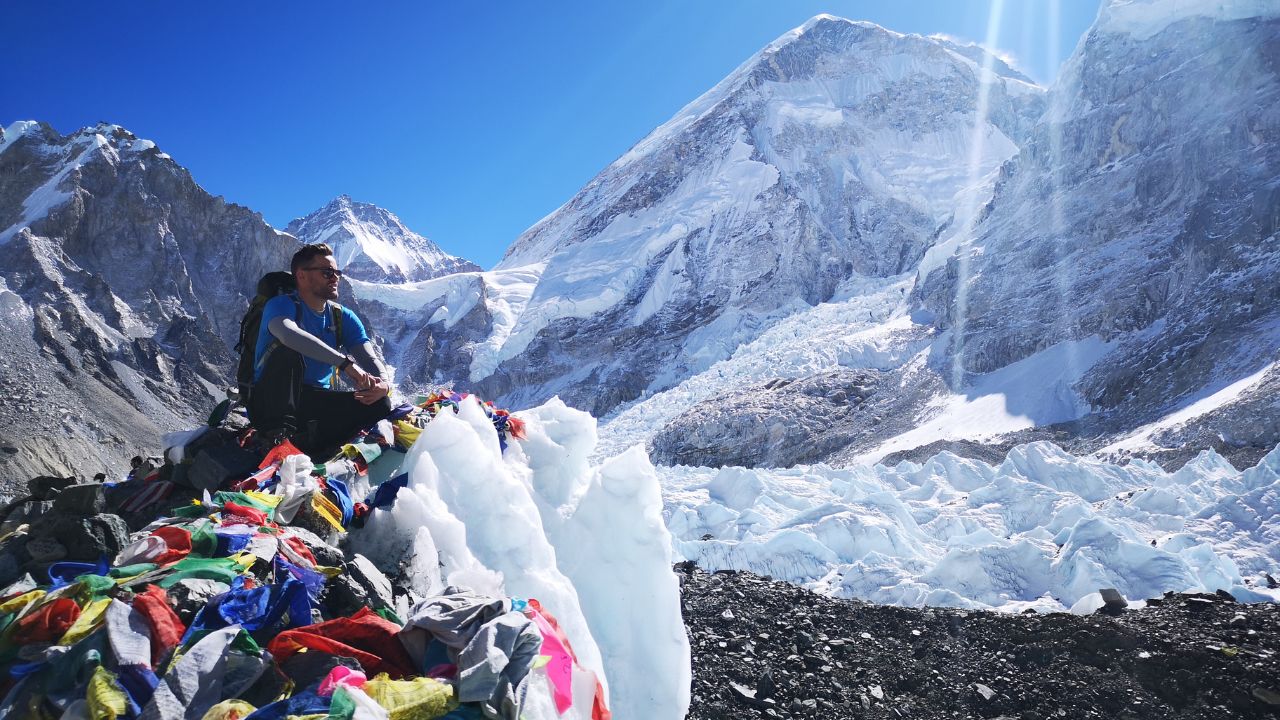
From Kathmandu to Everest Base Camp (5,364 m), following the classic Khumbu trail through the Everest region.
This 14-day Everest Base Camp Trek follows the trail from Lukla through the Khumbu Valley to Everest Base Camp at 5,364 m, with two acclimatization days and a climb of Kala Patthar at 5,545 m.
I started in the Himalayas as a porter in 1996 and became a government-licensed trekking guide in 2002. Since then, I’ve been guiding trekkers to Everest Base Camp, from first-time trekkers and families to experienced hikers.
A person can be very fit and still have trouble with altitude.
I remember guiding a 66-year-old father and his 31-year-old son. His son was 6’3″ and over 100 kg. At Lobuche, he developed a headache, nausea and dizziness. He reached Base Camp but was struggling badly by then. His father had no problems at all.
That’s why I tell trekkers not to chase the person in front. Find your own pace and keep it. There is no prize for reaching the teahouse first.
We have two acclimatization days, one in Namche Bazaar and one in Dingboche. You stay an extra night at each place, take a short hike and then continue higher.
Yaks and donkeys carry food, gas and other supplies along the trail. They have the right of way. Move to the inside of the trail when they approach. If you’re on a suspension bridge, wait for them to cross. Don’t try to squeeze past a yak.
At Gorak Shep, most trekkers climb Kala Patthar early the next morning for sunrise. I also like the evening climb when the weather is good. You can watch the light change across Everest and Nuptse without getting up before dawn.
Here’s how the trek unfolds day by day, based on how we brief our groups before each day on the trail.

Ready to go?
Download Day-by-Day Itinerary
Flights to Lukla operate from Kathmandu or Ramechhap. During peak trekking months, flights usually depart from Ramechhap, about a 4 to 5-hour drive from Kathmandu. The flight to Lukla takes around 15-20 minutes, while direct flights from Kathmandu take about 30-35 minutes. Weather can cause delays or cancellations. See our Lukla Flight Guide for baggage limits, flight schedules, and route information.
Total Distance
Walking Days
Accommodation
Meals
Transportation
Group Size
Guide
Porter
Best Season
Fitness Level
Permit
Trip Style
Starts
Ends
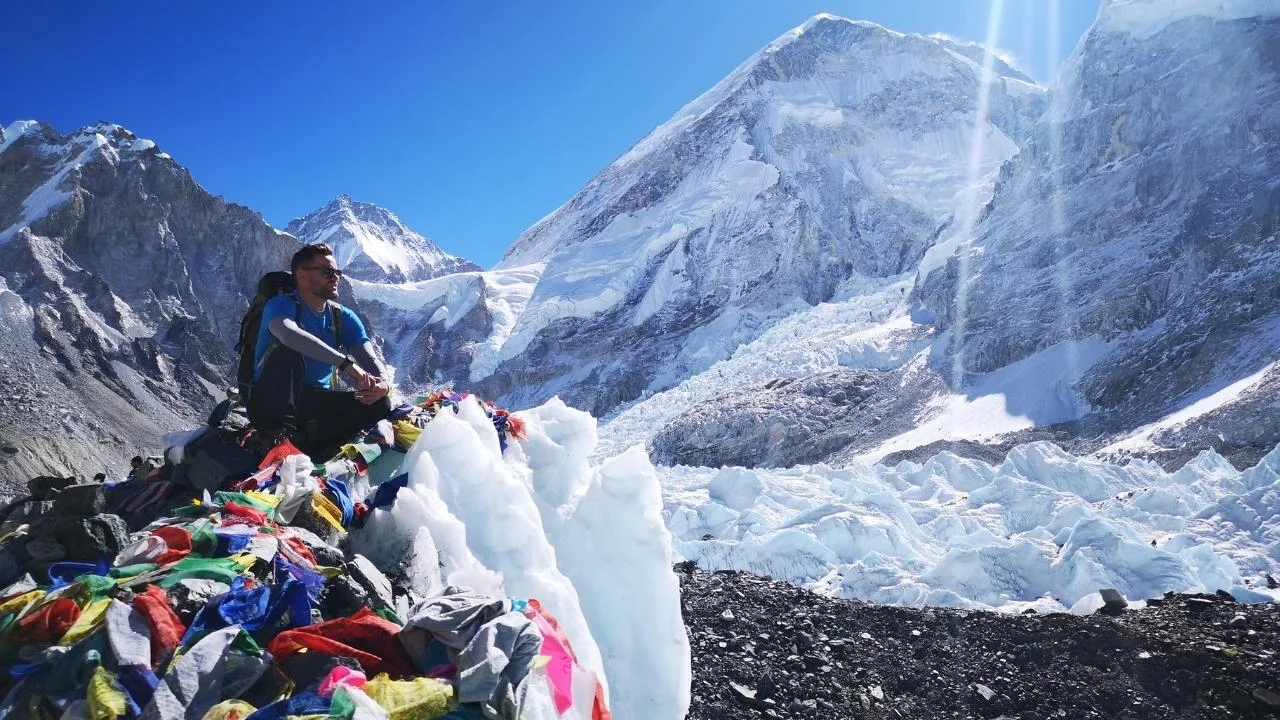
Reach Everest Base Camp at 5,364 m on foot without technical climbing, while travelling through the Khumbu Valley and its Sherpa villages and monasteries. The route also crosses suspension bridges and high mountain terrain, with views of Everest, Ama Dablam, Nuptse, and Pumori along the way
The trail gains elevation over several days, giving your body time to adjust.
You need good fitness and preparation, but no mountaineering or climbing skills.
Extra nights in Namche Bazaar and Dingboche help you adjust before going higher.
The 14-day itinerary gives you time to experience the route without rushing the high-altitude sections.
Mountain World Treks is a Nepal-based trekking company where you can speak directly with experienced guides before and during your trek.
Saligram Started as a Trekking Porter
Became a Licensed Guide
Founded Mountain World Treks
Still Actively Guiding Treks in Nepal
Years of Experience in the Himalayas
Don’t hesitate to join us. 5/5 rated by trekkers who have travelled with our team.
All our guides trained directly under Saligram, our founder and lead guide.
Ask us anything before you book. We’ll tell you about the difficult parts too.
Groups are limited to 12, so guides can adjust to each trekker’s pace.
Guides carry a pulse oximeter and first-aid kit to monitor you at altitude.
Saligram knows what it's like to carry the load. Our porters get fair pay, reasonable loads.
If reaching Everest Base Camp is something you genuinely want to experience, this trek can be a great choice. The journey takes you into the heart of the Khumbu, where you experience Sherpa villages, mountain culture, and life in the Himalayas along the way.
The trek suits people who see the journey itself as part of the experience. You should be comfortable in a remote mountain environment and willing to adapt to simple surroundings, changing conditions, and the realities of travelling in the Himalayas.
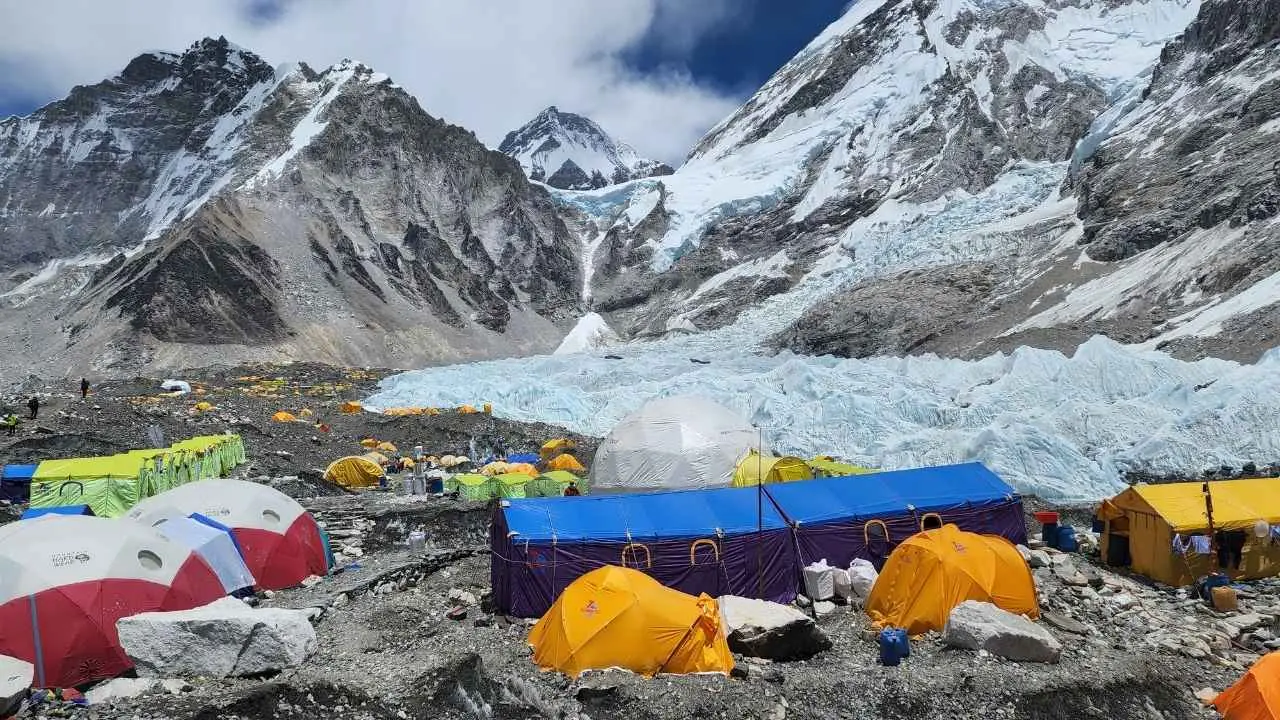
Reach 5,364 m and stand at the base camp used by Everest expeditions.
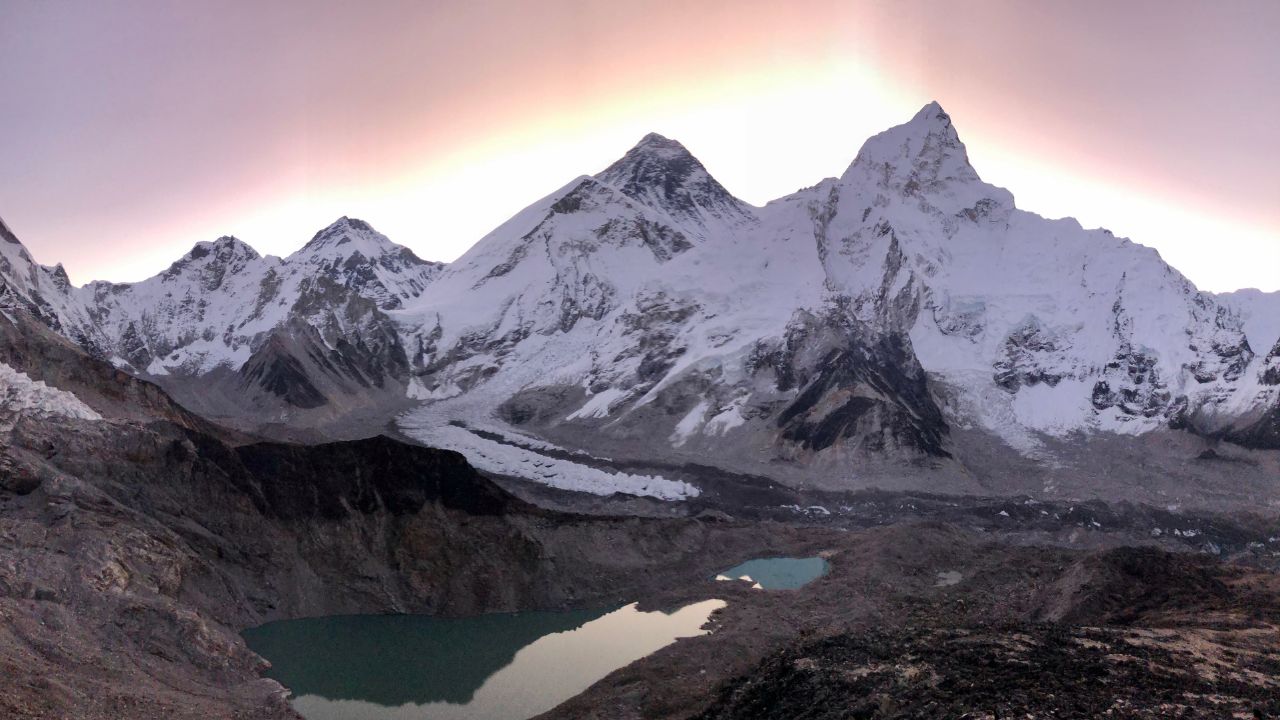
Climb to 5,545 m for close views of Everest, Nuptse, Pumori and more.
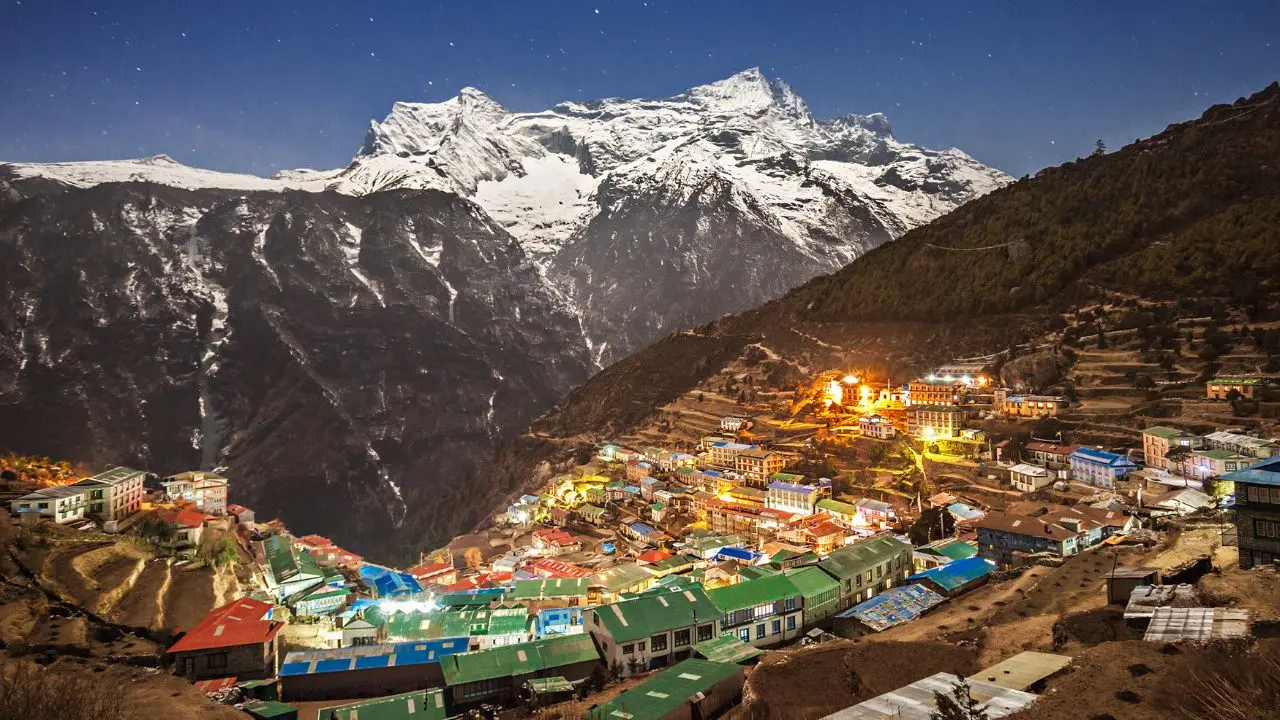
Explore the busy Sherpa trading town, with local shops, bakeries, lodges and markets.
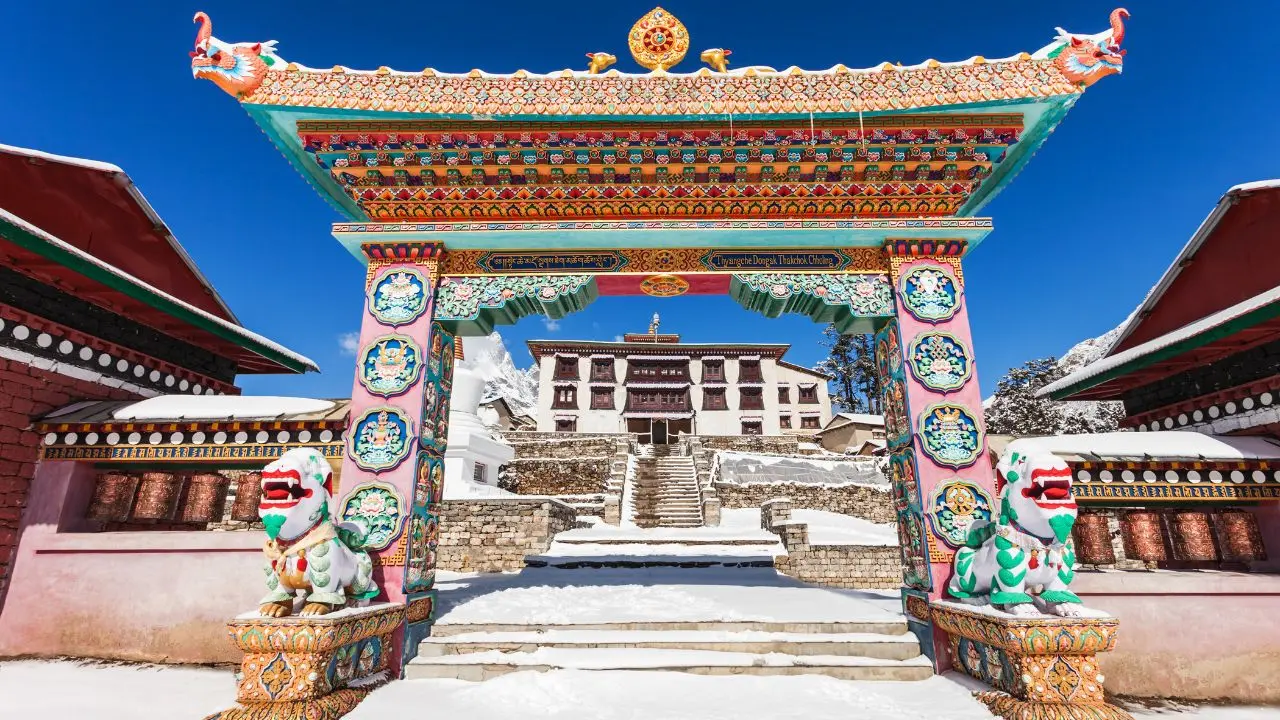
Visit the monastery and look across the valley toward Ama Dablam and the surrounding peaks.
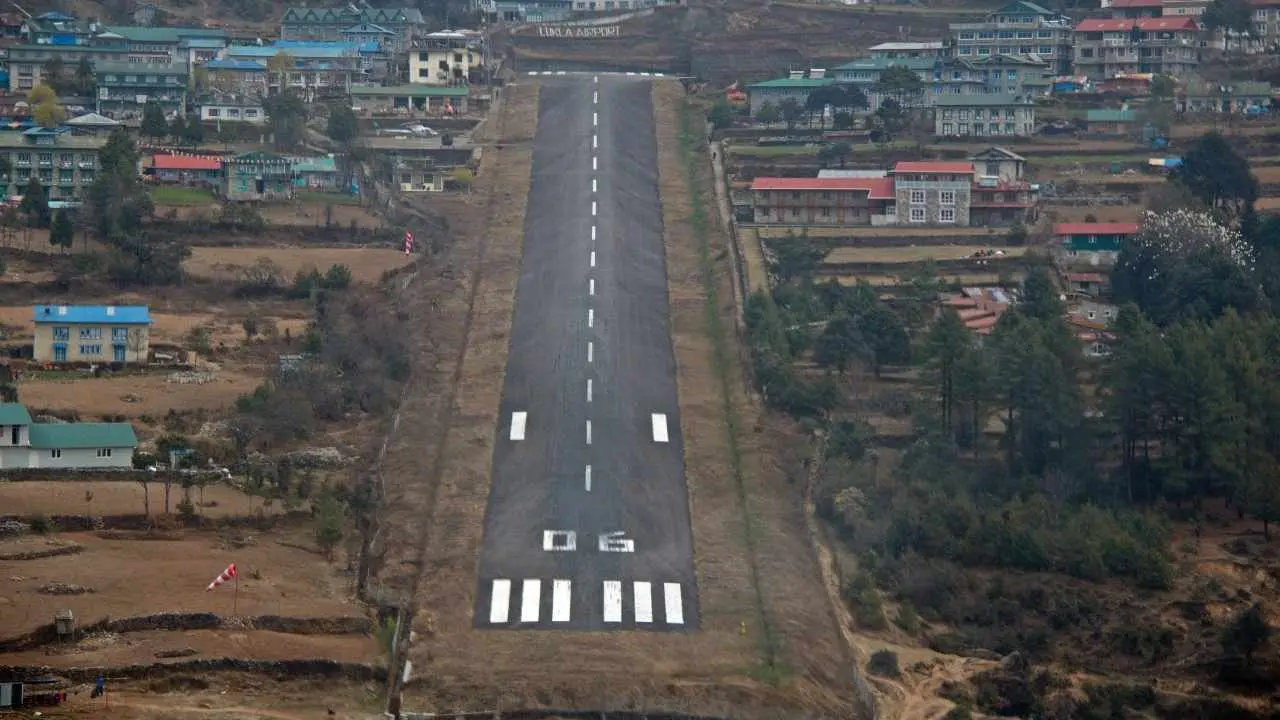
Fly into Lukla and begin your trek through forests, suspension bridges and small mountain villages.
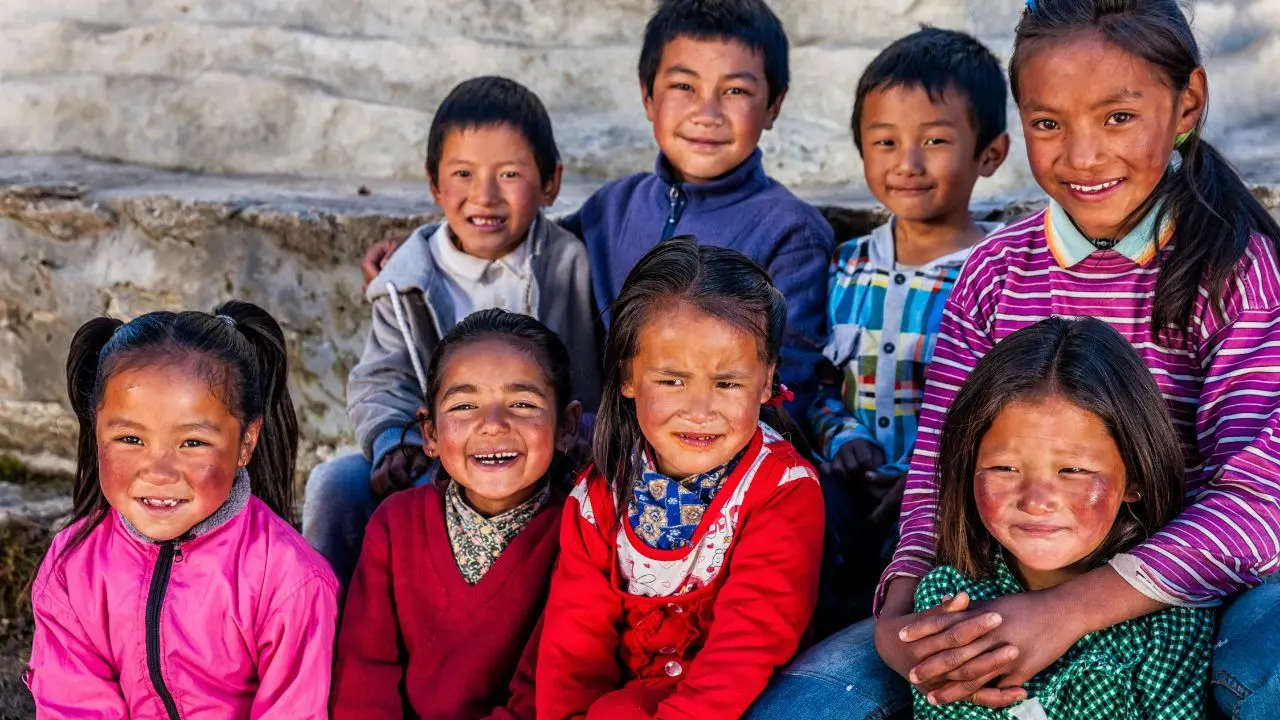
Experience Sherpa villages, Buddhist tradition and everyday life in the Khumbu.
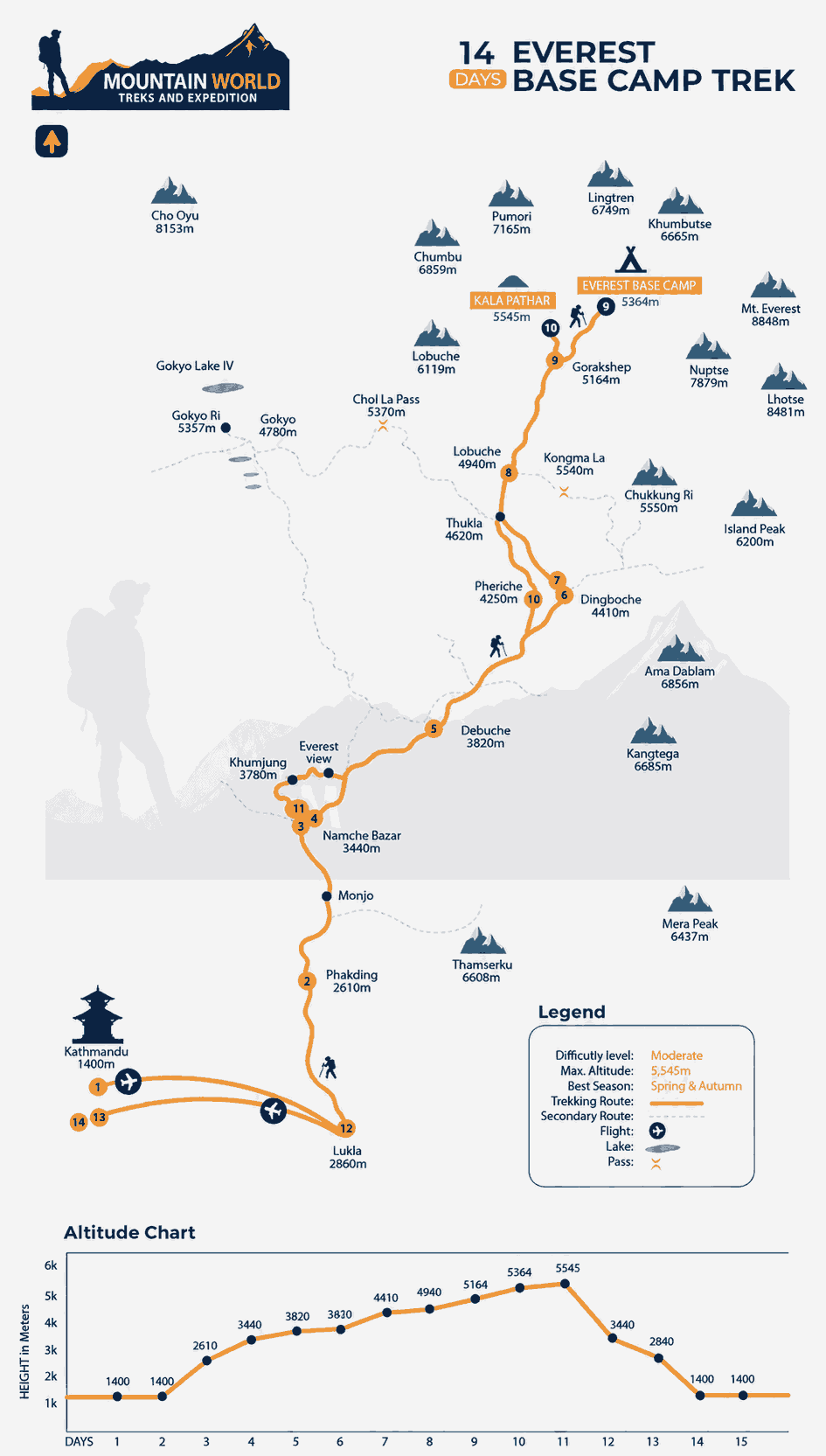
This is the 14-day itinerary we follow for the Everest Base Camp Trek. For each day, we’ve included the walking distance, estimated walking time, elevation, overnight stop, and practical notes from the trail. We also brief everyone each evening about the next day’s walk, so you know what to expect before you set off.
Our 14-day Everest Base Camp Trek costs USD 1,399 per person — whether you join a group or book a private trek. Going private costs nothing extra: you just choose your own dates and travel with your own group.
Join a fixed departure date and trek alongside other travelers.
Same price, your own dates and your own group.
Want something different from the standard itinerary? We can arrange it.
From your first inquiry to the start of your trek, here is how we arrange everything.
Tell us your preferred dates, group size, and trek.
We’ll send your itinerary, price, and answers to your questions.
Pay the required deposit and receive your booking confirmation.
We’ll send packing advice and other information before you arrive.
Important: Travel insurance is not included in the package. Before your trek, you must purchase a policy that covers high-altitude trekking (up to at least 6,000 m) and emergency helicopter evacuation.
Choose the Everest Base Camp Trek with Helicopter Return if you want to walk to Everest Base Camp and fly back by helicopter instead of retracing the trail to Lukla. You’ll trek through Phakding, Namche Bazaar, Tengboche, Dingboche, Lobuche, and Gorak Shep before reaching Base…
Teahouses provide twin rooms and shared bathrooms along the trail. In Kathmandu, you’ll stay in a private hotel room. Check our Everest Base Camp Trek Accommodation Guide for more details.
Teahouses serve three meals a day, including dal bhat, momo, noodles, pasta, rice, potatoes, soups, eggs, pancakes, and bread. See our Everest Base Camp Trek Food & Drinks Guide for more details.
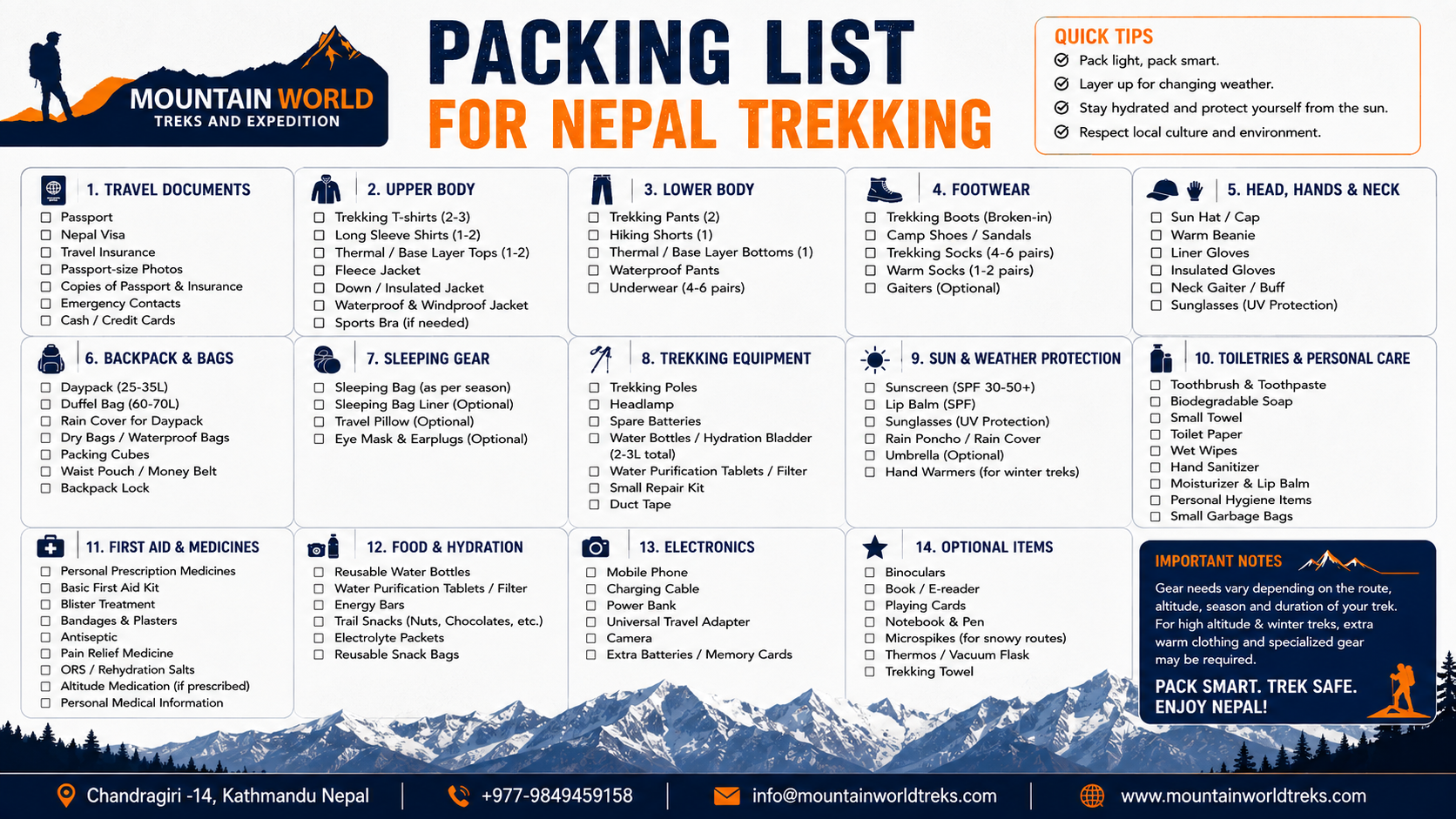
Pack trekking clothes, warm layers, a waterproof jacket, trekking boots, a sleeping bag, sunglasses, sunscreen, personal medication, trekking poles, and a water bottle. Keep your main gear in a duffel bag and essentials such as water, a jacket, snacks, and personal items in your daypack.
Our Everest Base Camp Trek Packing List covers clothing, footwear, sleeping gear, toiletries, electronics, and travel documents.
Challenging. The trek involves long walking days, regular climbs and descents, rocky trails, and uneven ground. Check our Everest Base Camp Trek Difficulty Guide for more detail.
Start training several weeks before the trek. Focus on building walking endurance and getting used to uphill and downhill movement. See our Everest Base Camp Trek Training Guide for a detailed training plan.
The best times for the Everest Base Camp Trek are March to May and September to November, when weather and mountain visibility are generally better. Check our Best Time to Trek to Everest Base Camp Guide for the month-by-month breakdown.
Rhododendrons blooms, clear weather and April - May are busy with trekkers and climbers
Monsoon brings rain and cloud to the Everest region, with fewer trekkers on the trail.
Autumn is the busiest trekking season, with October usually seeing the most trekkers.
Winter is the quietest season, with cold conditions and possible snow on the higher sections.
Not sure which route fits you? Compare the key facts side by side.
| Feature | Everest Base Camp Trek | 14 Days Itinerary, Cost & Best Time | Annapurna Base Camp Trek | 10 Days, Cost and Itinerary |
|---|---|---|
| Duration | 14 Days | 10 Days |
| Highest Point | Kala Patthar – 5,545 m | Annapurna Base Camp – 4,130 m |
| Difficulty | Challenging | Moderate |
| Best For | Everest views & Sherpa culture | Shorter trek & close-up mountain views |
| Mountain Highlights | Everest, Lhotse, Nuptse, Ama Dablam | Annapurna I, Machhapuchhre, Annapurna South |
| Landscape | High-altitude valleys, glaciers & rugged terrain | Forests, villages, waterfalls & alpine landscapes |
| Culture | Sherpa & Tibetan Buddhist culture | Gurung & Magar culture |
| Crowds | Higher | Moderate |
| Trek Experience | Longer, higher & more demanding | Shorter, lower & more accessible |
These guides cover altitude sickness, insurance, visa, permits, flights, internet, extra costs, culture, family, and solo trekking.
Altitude sickness can happen as you gain elevation. Headache, nausea, dizziness, tiredness, and poor sleep are common early signs. Tell your guide if you feel unwell. If symptoms worsen, stop ascending and descend.
In an emergency: Your guide will assess the situation and arrange the next steps, including evacuation if needed. If medical treatment is required, our team can coordinate your return to Kathmandu and help arrange a suitable hospital or clinic.
For early signs, prevention, and what to do if symptoms appear, see our Everest Base Camp Altitude Sickness Guide.
Before the trek, we arrange your trek permits, Lukla flights, accommodation, guide, and porter. You need to arrange your travel insurance, Nepal visa, packing, travel documents, and personal expenses before arriving in Nepal.
Riddhi
India
Javier
Singapore
Jaya
Singapore
Find answers to the most common questions about the Everest Base Camp Trek, including difficulty, altitude, accommodation, permits, costs, and preparation.
Still have questions? Our team responds within 24 hours.
info@mountainworldtreks.com
Registered tourism company

Trekking Agencies Association

Authorised tour operator

Nepal Mountaineering Association
Certificate of excellence

International travelers
Everest Base Camp Trek | 14 Days Itinerary, Cost & Best Time