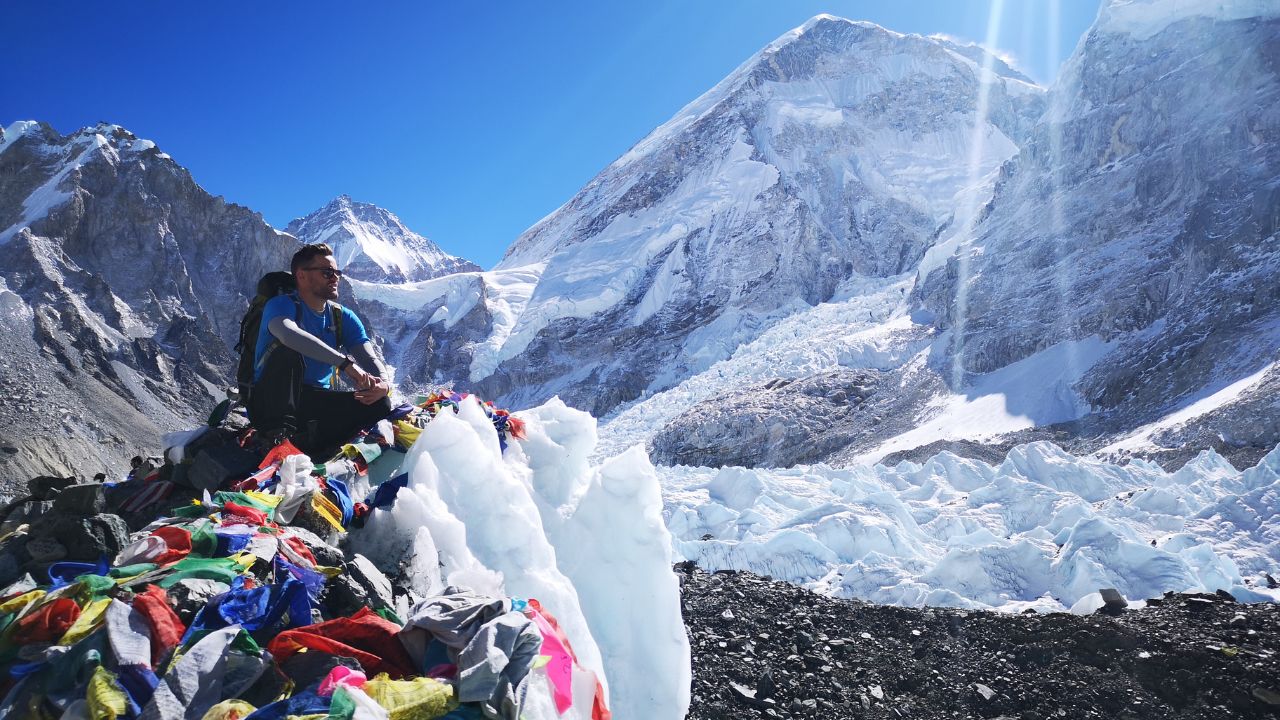
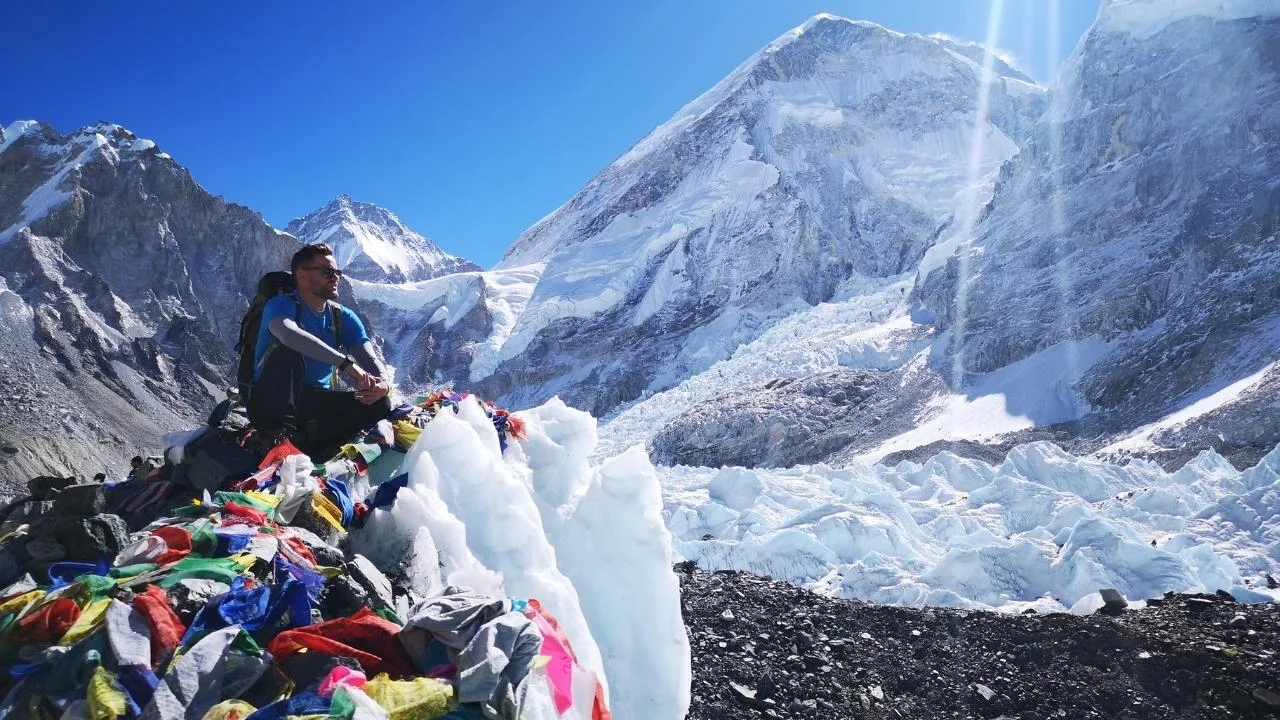
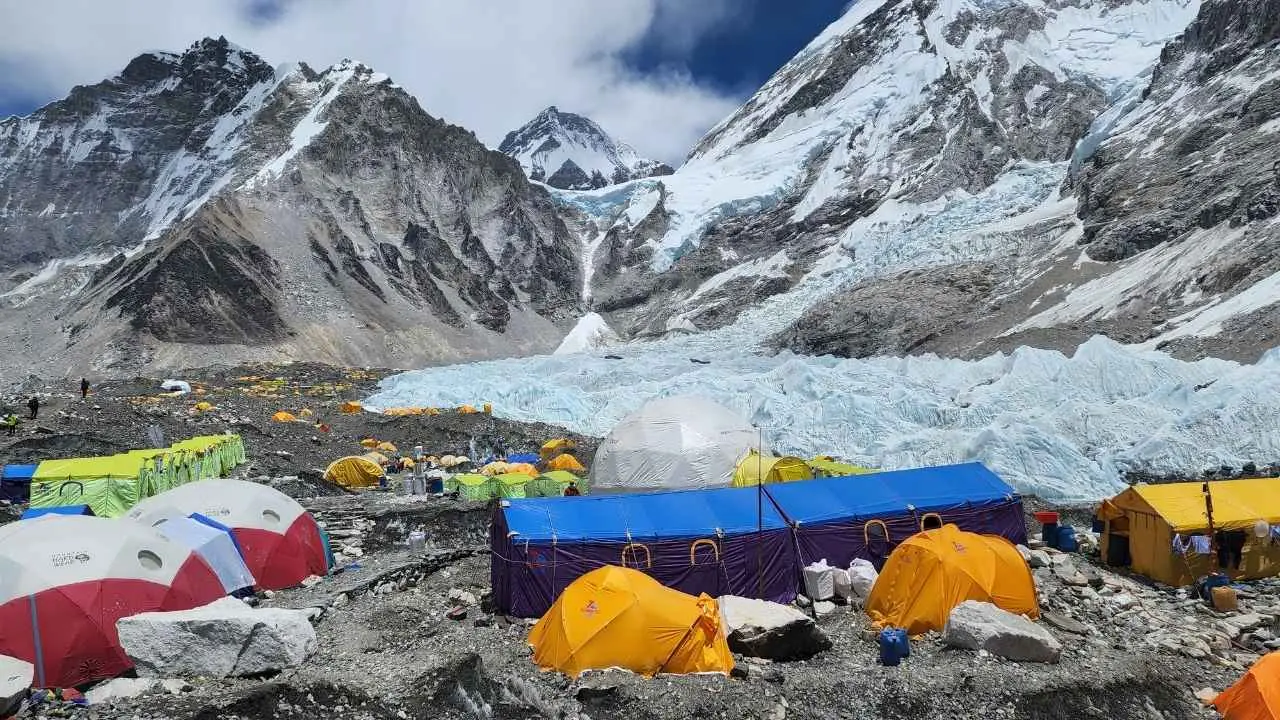
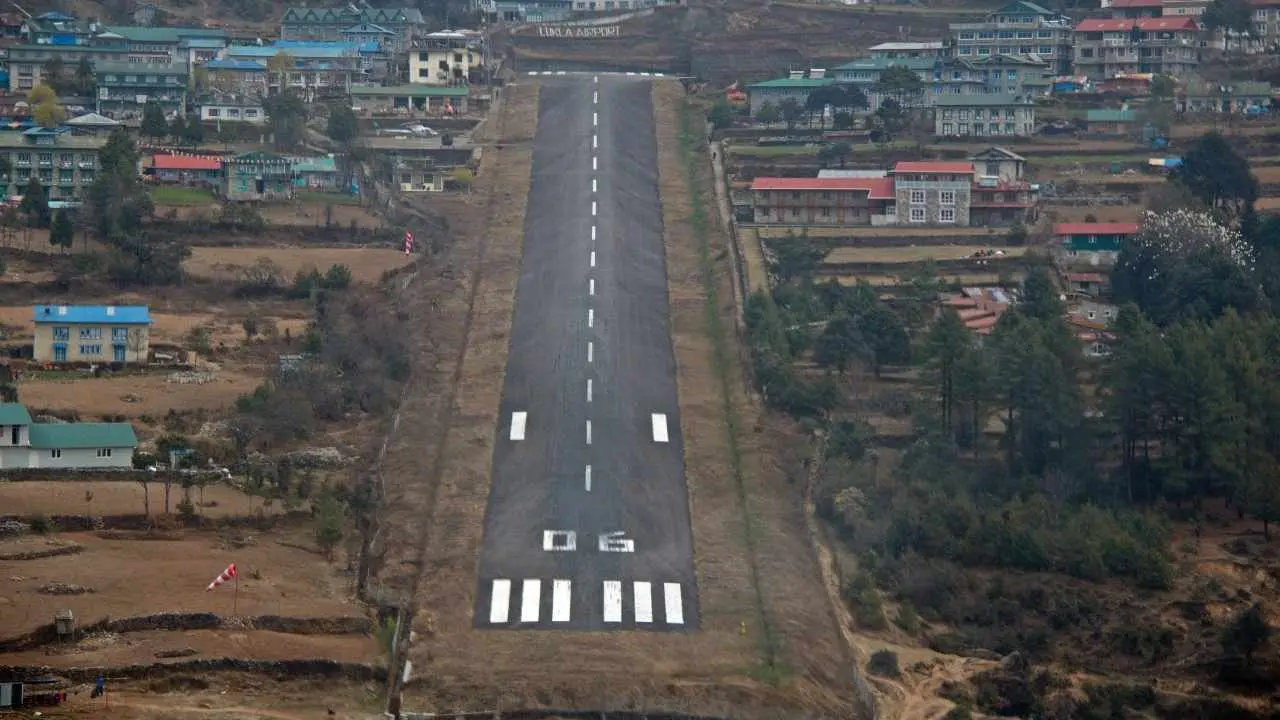
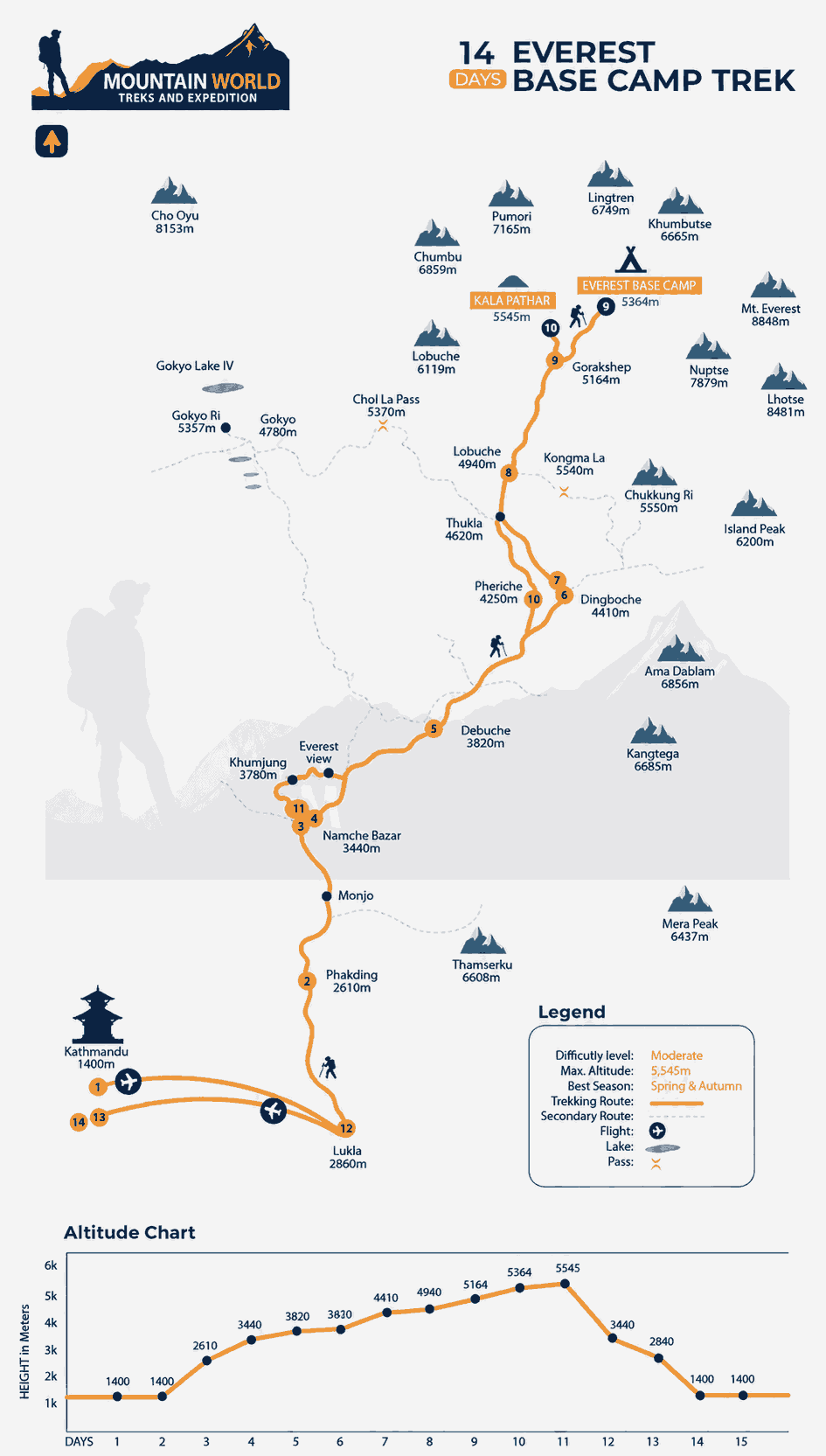
This 14-day Everest Base Camp Trek follows the trail from Lukla through the Khumbu Valley to Everest Base Camp at 5,364 m, with two acclimatization days and a climb of Kala Patthar at 5,545 m.
I started in the Himalayas as a porter in 1996 and became a government-licensed trekking guide in 2002. Since then, I’ve been guiding trekkers to Everest Base Camp, from first-time trekkers and families to experienced hikers.
A person can be very fit and still have trouble with altitude.
I remember guiding a 66-year-old father and his 31-year-old son. His son was 6’3″ and over 100 kg. At Lobuche, he developed a headache, nausea and dizziness. He reached Base Camp but was struggling badly by then. His father had no problems at all.
That’s why I tell trekkers not to chase the person in front. Find your own pace and keep it. There is no prize for reaching the teahouse first.
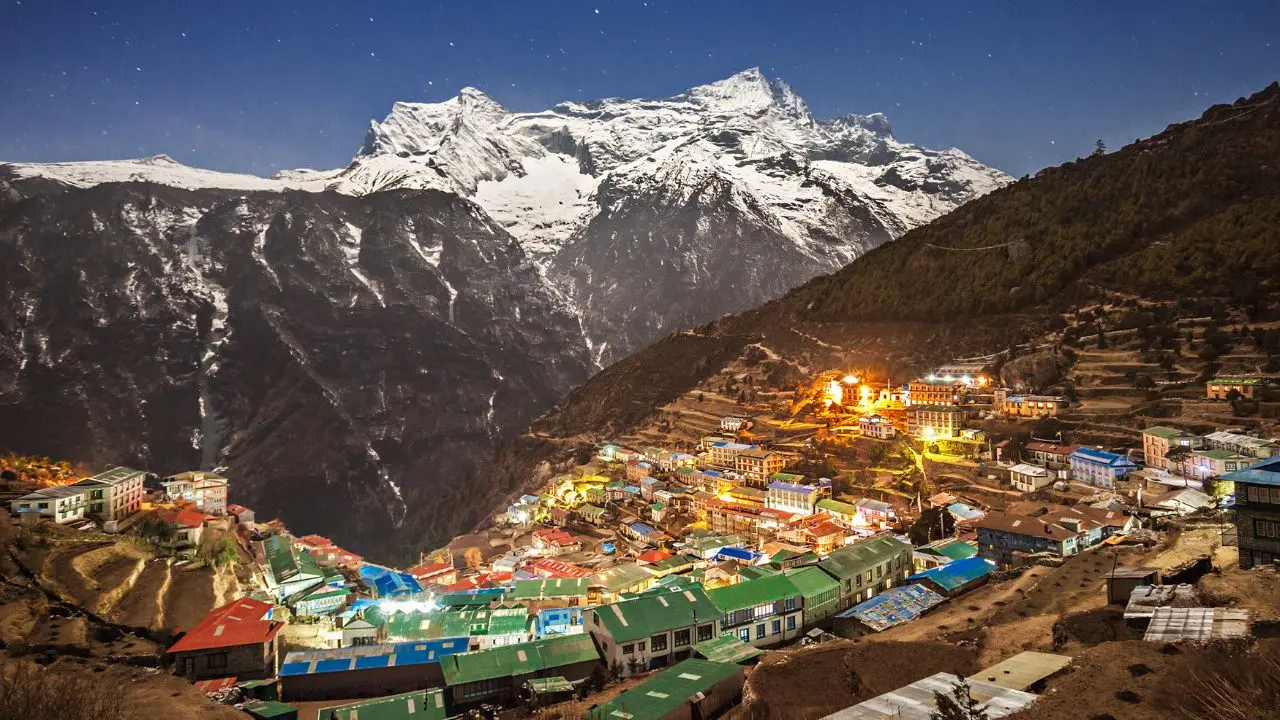
We have two acclimatization days, one in Namche Bazaar and one in Dingboche. You stay an extra night at each place, take a short hike and then continue higher.
Yaks and donkeys carry food, gas and other supplies along the trail. They have the right of way. Move to the inside of the trail when they approach. If you’re on a suspension bridge, wait for them to cross. Don’t try to squeeze past a yak.
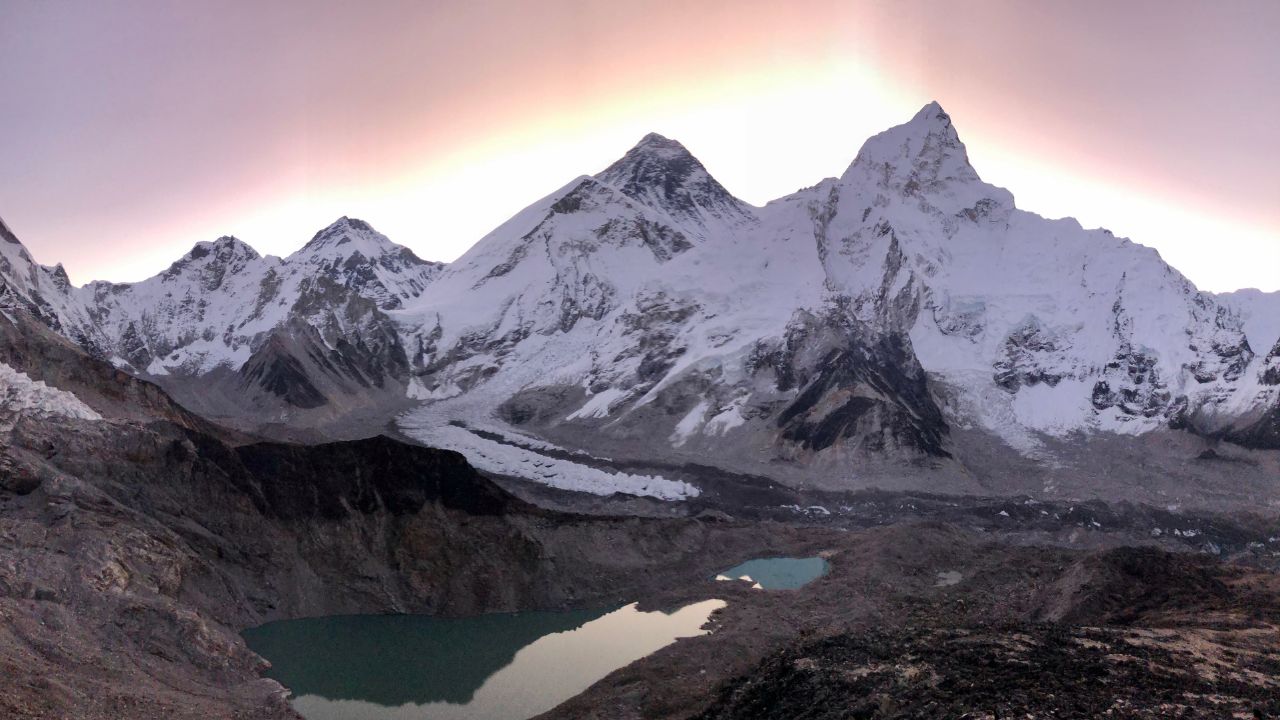
At Gorak Shep, most trekkers climb Kala Patthar early the next morning for sunrise. I also like the evening climb when the weather is good. You can watch the light change across Everest and Nuptse without getting up before dawn.
Here’s how the trek unfolds day by day, based on how we brief our groups before each day on the trail.