Travel Guide
Everest Base Camp Trek Solo: Guide for Solo Trekkers
I often meet trekkers who want to go to Everest Base Camp trek solo on their own. Some want the freedom to…
S
Saligram
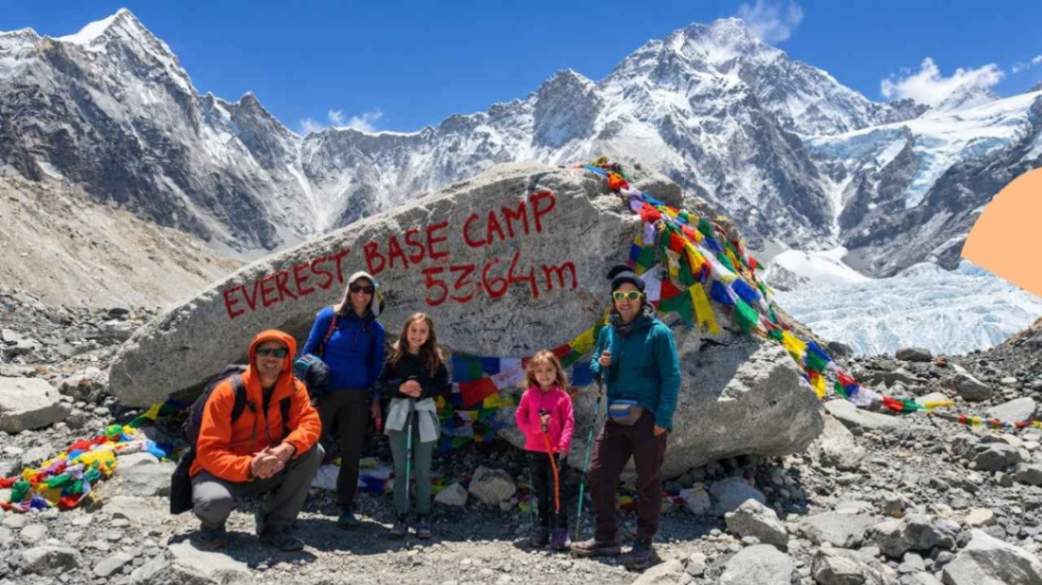
Practical advice on preparation, fitness, altitude, packing, accommodation, safety, and creating a comfortable trekking plan for your family.
An Everest Base Camp Trek with Family requires more planning than trekking with a group of adults, but it can be done with the right preparation. The main concerns for parents are usually altitude, walking time, cold weather, food, accommodation, and knowing how to respond if a child is struggling.
I have been guiding in the Everest region since 2002, and I always tell parents not to make Base Camp itself the only goal. Your family needs to be comfortable with the pace, altitude, and mountain conditions throughout the trek. A well-planned itinerary, an experienced guide, and enough time to adjust can make a major difference.
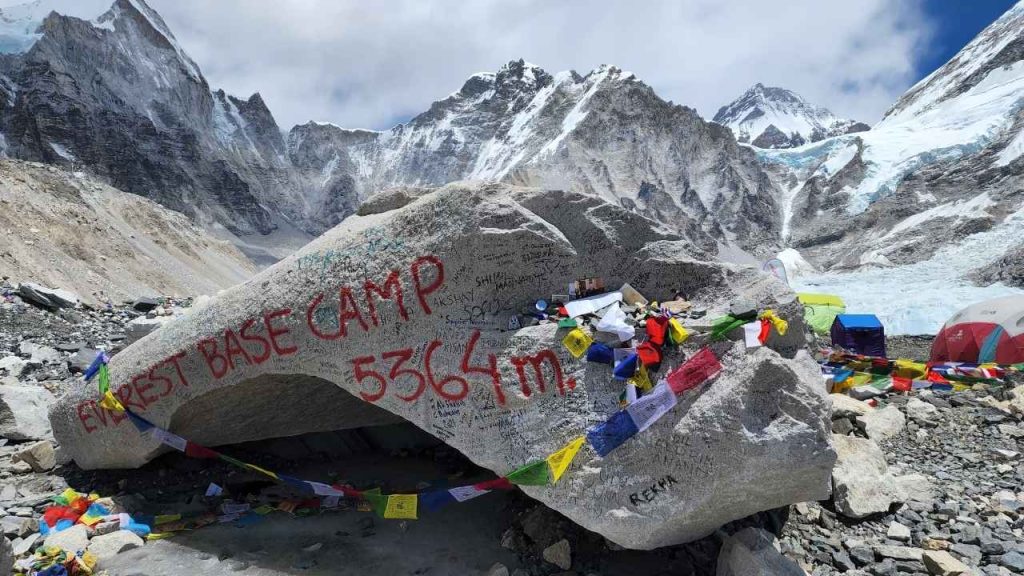
Everest Base Camp is not a technical climbing route, but it is a high-altitude trek with several long walking days. The highest point of the trek is Everest Base Camp at 5,364m, while Kala Patthar reaches 5,545m. For children, the challenge is usually not technical difficulty but the combination of altitude, cold, long days, and limited facilities.
I do not judge whether a child is ready based on age alone. I look at their health, fitness, previous hiking experience, attitude toward long walks, and ability to cope with simple mountain conditions. Parents should also be prepared to adjust the plan if their child is tired or showing signs of altitude problems.
Families who are new to high-altitude trekking should first understand how the route works, what each day involves, and what preparation is needed. Our Everest Base Camp Trek Beginner’s Guide can help you understand the route, altitude, accommodation, preparation, and general trekking conditions before making your plans.
There is no single age that automatically makes a child ready for Everest Base Camp. A physically active teenager who regularly hikes may cope better than an older child with little walking experience. Younger children can also be strong walkers, but parents need to consider how they respond to cold, tiredness, unfamiliar food, and basic accommodation.
Before the trek, I recommend building walking habits rather than trying to complete difficult training sessions. Family hikes, uphill walks, stairs, and regular outdoor activity are useful because they allow parents to see how a child behaves after several hours of walking.
The goal is not to make your child exceptionally fit. The goal is to make long days on their feet feel normal before arriving in Nepal. For a more detailed training plan, our Everest Base Camp Trek Fitness Guide explains how to build walking endurance, strength, and uphill fitness before the trek.
The classic route starts at Lukla, at about 2,860m, and passes through Phakding, Namche Bazaar, Tengboche, Dingboche, Lobuche, and Gorak Shep before reaching Everest Base Camp. The trail includes stone steps, suspension bridges, forest sections, open valleys, and rocky ground. Walking times vary depending on the pace of the group and conditions on the trail.
Altitude becomes the main issue as you climb higher. Namche Bazaar and Dingboche are important acclimatization points, where the itinerary allows your body time to adjust before going higher. Around Dingboche, an optional hike toward Nangkartshang can also be used as an acclimatization activity when conditions and the child’s energy level allow.
Children should not be pushed to maintain an adult pace. A slower, steady pace with regular breaks is usually better than walking quickly and becoming exhausted early in the day.
Preparation should begin several weeks or months before departure, depending on your child’s current activity level. Regular walking is more useful than trying to copy a professional athlete’s training routine. Include some uphill walking because the trail has frequent climbs and descents.
Let your child become familiar with the equipment before leaving home. Trekking shoes should be worn on several walks before the trip, and your child should know how to use their daypack, water bottle, layers, sunglasses, and other personal items.
It is also useful to explain what the trek will actually be like. Tea houses are basic compared with hotels, showers may not always be convenient, and some days involve several hours of walking. Children generally handle these changes better when they know what to expect.
Family trekking works best when the walking schedule is built around the slowest person in the group. I would rather arrive at the tea house with a child still comfortable than push for a faster finish and leave them exhausted for the following morning.
Keep water, snacks, an extra warm layer, sunscreen, sunglasses, and other frequently used items where they can be reached easily. Take breaks before your child becomes completely tired rather than waiting until they are already struggling.
Avoid turning the trek into a competition. There is no advantage in telling a child to walk faster because another trekker passed them. The important thing is to maintain a steady rhythm and communicate with your guide throughout the day.
Accommodation on the Everest Base Camp route is mainly in tea houses and lodges. Rooms are generally simple, with beds, mattresses, blankets, and basic furniture. Bathroom arrangements vary by village and lodge, and facilities become more basic at higher elevations.
Hot showers, charging, Wi-Fi, and other services may cost extra, and availability can change with location and season. In busy periods, families should also expect tea houses to be crowded, so a private trek should be planned and confirmed in advance.
Food and drinks on EBC trek are broader than many first-time trekkers expect. Dal bhat, noodles, rice, pasta, potatoes, eggs, porridge, soup, bread, and other simple meals are commonly available. For children, I recommend bringing a few familiar snacks from home rather than depending entirely on the local menu.
Packing for children requires a little more planning because they can feel cold and tired sooner than adults. Warm layers, a waterproof jacket, gloves, hat, comfortable trekking shoes, sunglasses, sunscreen, and a suitable sleeping bag are among the important items.
A child should not be given a heavy trekking load. On our treks, a porter can carry the main luggage, with one porter generally assigned for every two trekkers and a maximum load of about 25kg. Your child can carry a small daypack with personal items, water, snacks, and a warm layer.
Do not wait until the evening to find something you need. Keep frequently used items organized in the daypack so your child can access them during breaks without opening the main luggage. Get more details about packing ideas for everest base camp trek.
Altitude sickness is the part of an Everest Base Camp trek that parents need to take most seriously. A child may not always describe symptoms clearly, so parents and guides need to pay attention to changes in behavior, appetite, sleep, energy, coordination, and general condition.
Headache, unusual tiredness, nausea, dizziness, loss of appetite, and difficulty sleeping can occur at altitude. Not every symptom means serious altitude illness, but new or worsening symptoms should never be ignored.
If a child becomes unwell at altitude, the priority is not reaching the next destination. The guide should assess the situation and decide whether rest, a lower sleeping elevation, medical attention, or descent is necessary. Never give a child medication simply to hide symptoms so that the trek can continue without professional advice.
For families, I strongly prefer a private trek because the walking pace and daily routine can be adjusted around the children. You are not required to keep up with people you have never met, and the guide can pay closer attention to how each family member is responding to the conditions.
Our Everest Base Camp trek is offered as a private trek rather than a group-joining trip. This also makes it easier to discuss practical needs before departure, including walking pace, accommodation preferences, dietary requirements, and the possibility of changing the plan if necessary.
A private trek does not remove the physical demands of the route. It simply gives your family more control over how you handle them.
Use the first day to rest after your international flight and check your trekking equipment. If anything is missing, Kathmandu is the best place to arrange it before heading toward the mountains.
The mountain flight takes you to Lukla, followed by a relatively short walk to Phakding. This first walking day allows children to get used to the trail without starting with an unnecessarily long hike.
Flight operations can change because of weather and airport conditions, so families should keep some flexibility in their schedule.
The trail follows the Dudh Koshi and crosses several suspension bridges before the climb toward Namche. The final uphill section can feel tiring, especially for children, so keep the pace controlled.
Namche is an important acclimatization stop and gives the family time to adjust before continuing higher.
Spend the day around Namche rather than simply staying inside the lodge. A short hike to a higher point and a return to Namche for the night helps with acclimatization.
Keep the activity moderate. The purpose of the day is adjustment, not exhausting the children with extra mileage.
The trail leaves Namche and passes through sections of forest before reaching Tengboche. The monastery and surrounding area provide a natural break during the day.
The walking distance is manageable for many families, but the descent followed by the climb toward Tengboche can still take effort.
The route descends through the forest and crosses the river before climbing toward Pangboche and Dingboche. As the elevation increases, walking becomes slower and breaks become more important.
Dingboche is another major acclimatization point, so there is no reason to rush through it.
Take a short acclimatization hike toward Nangkartshang if your family is feeling well. From higher points, you can see several major peaks of the Khumbu, but the hike should be treated as preparation for the next stages rather than a challenge to complete at all costs.
Spend the second night in Dingboche and allow everyone to recover properly.
The landscape becomes more open as you leave Dingboche and climb toward Lobuche. The walking day is not extremely long by distance, but altitude makes even moderate climbs feel harder.
This is where parents should pay particular attention to changes in their child’s energy and behavior.
This is one of the most important days of the trek. From Lobuche, you walk toward Gorak Shep, leave your belongings at the lodge, and continue to Everest Base Camp.
The trail is rocky and the altitude is high, so the pace should remain slow. After reaching Base Camp, return to Gorak Shep for the night rather than trying to add unnecessary walking.
An early morning climb to Kala Patthar, at 5,545m, is optional and should depend on how the family feels after reaching Base Camp. The climb is steep in places, and the high elevation can make it difficult for children who are already tired.
Afterward, descend toward a lower village. Sleeping lower is more comfortable and helps the body recover after the highest part of the trek.
The return route passes through the lower Khumbu villages toward Namche and then Lukla. The exact overnight stops can vary according to the family’s pace, flight schedules, and weather.
Build flexibility into the final days because mountain flights do not operate with the same certainty as city flights. I always recommend having some buffer before an important international departure from Nepal.
Families with limited time may prefer to trek to Everest Base Camp and Heli return instead of retracing the entire route to Lukla. This removes several walking days from the return journey and can be useful when parents have limited leave from work or children need to return to school.
The important point is that this option does not remove the need for acclimatization. You still have to spend enough time walking up gradually before reaching the high elevations around Gorak Shep and Base Camp.
Flight operations depend on weather, visibility, air traffic, and operating conditions. Families choosing this option should also understand the baggage arrangements and keep some flexibility in case the flight cannot operate as planned.
Spring and autumn are generally the most popular periods for Everest Base Camp because the weather is usually more suitable for trekking and mountain views are often clearer. These periods can also be busy, especially around school holiday dates. Get more details about best time to do Everest base camp Trek.
Winter brings colder temperatures, particularly at night and at higher elevations. Monsoon brings more rain and can affect travel conditions and mountain flights. Families should choose dates based not only on school holidays but also on the child’s ability to handle cold and long days outdoors.
If your travel dates are fixed, I recommend adding buffer days rather than planning an international flight immediately after the expected Lukla flight.
Every family member should have travel insurance that specifically covers high-altitude trekking. For Everest Base Camp, I recommend checking that the policy covers trekking up to at least 6,000m and includes emergency evacuation where appropriate.
Lukla flights require additional planning. During the busier periods of March to May and September to November, flights to Lukla commonly operate from Ramechhap after a drive of roughly five to six hours from Kathmandu. The flight from Ramechhap to Lukla is around 15 minutes, while Kathmandu to Lukla is around 30 minutes when flights operate from Kathmandu.
These arrangements can change, so families should confirm the current flight schedule before departure rather than relying on an old itinerary.
I started working in the mountains as a porter in 1996 and became a licensed guide in 2002. After years of guiding in the Everest region, I have learned that a successful trek is not about making every walking day as fast as possible.
With children, patience matters even more. Give them time to eat, drink, rest, adjust to the altitude, and enjoy the villages along the route. If a child is struggling, tell the guide early rather than waiting for the problem to become serious.
I also believe parents should respect the people working on the trail. I remember what it was like to carry heavy loads as a porter, so I see porters as part of the trekking team, not simply as people carrying bags. Good preparation, sensible luggage, and fair treatment make the trek better for everyone.
Most importantly, do not make Base Camp the only measure of success. If your child reaches a point where continuing is unsafe, turning around is the correct decision. The mountains will still be there, and protecting your child comes first.
It can be suitable for well-prepared children, but altitude requires careful planning. Parents should choose an itinerary with proper acclimatization and monitor their child throughout the trek.
There is no universal minimum age. Fitness, health, hiking experience, maturity, and the child’s ability to handle cold, altitude, and long walking days are more important than age alone.
Children can carry a small daypack with personal items, water, and snacks, but their main luggage should be carried by a porter. Avoid giving a child a heavy load.
A private trek allows the guide to adjust the pace and daily routine around your family. This can be especially useful when children have different walking speeds or need additional breaks.
Yes, a helicopter-return itinerary can reduce the number of walking days on the way back to Lukla. It does not replace the acclimatization required while trekking up.
Tell your guide immediately. Do not try to hide or simply suppress symptoms so the trek can continue. Depending on the severity, the correct response may include rest, medical assessment, or descent.
Simple meals such as dal bhat, rice, noodles, pasta, potatoes, eggs, porridge, and soup are commonly available. Familiar snacks from home can also be useful when a child does not feel like eating local meals.
Regular walking, uphill hikes, stairs, and outdoor activities are good preparation. The aim is to make several hours of walking comfortable rather than to complete extreme fitness training.
Connect with an expert - real trek leaders in Kathmandu, free advice, no pressure.
I often meet trekkers who want to go to Everest Base Camp trek solo on their own. Some want the freedom to…
Saligram
The price of an Everest Base Camp trek covers the main services in your package, but you will still have some personal…
Saligram
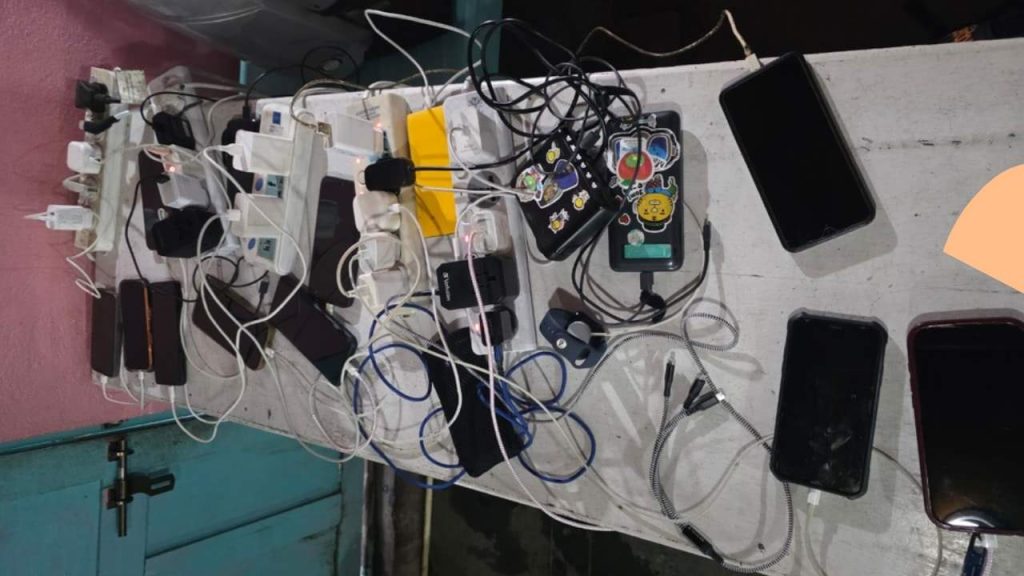
What trekkers should know about mobile data, Wi-Fi, charging, and phone batteries in the Khumbu. You can stay connected during the Everest…
Saligram
Get clear answers about trekking to Everest Base Camp with children, including age, fitness, altitude, safety, packing, and practical family tips.
Still have questions? Our team responds within 24 hours.
Talk to a Local Expert


