
Travel Guide
Everest Base Camp Trek: Internet, Wi-Fi & Charging
What trekkers should know about mobile data, Wi-Fi, charging and phone batteries in the Khumbu. You can stay connected during the Everest…
S
Saligram
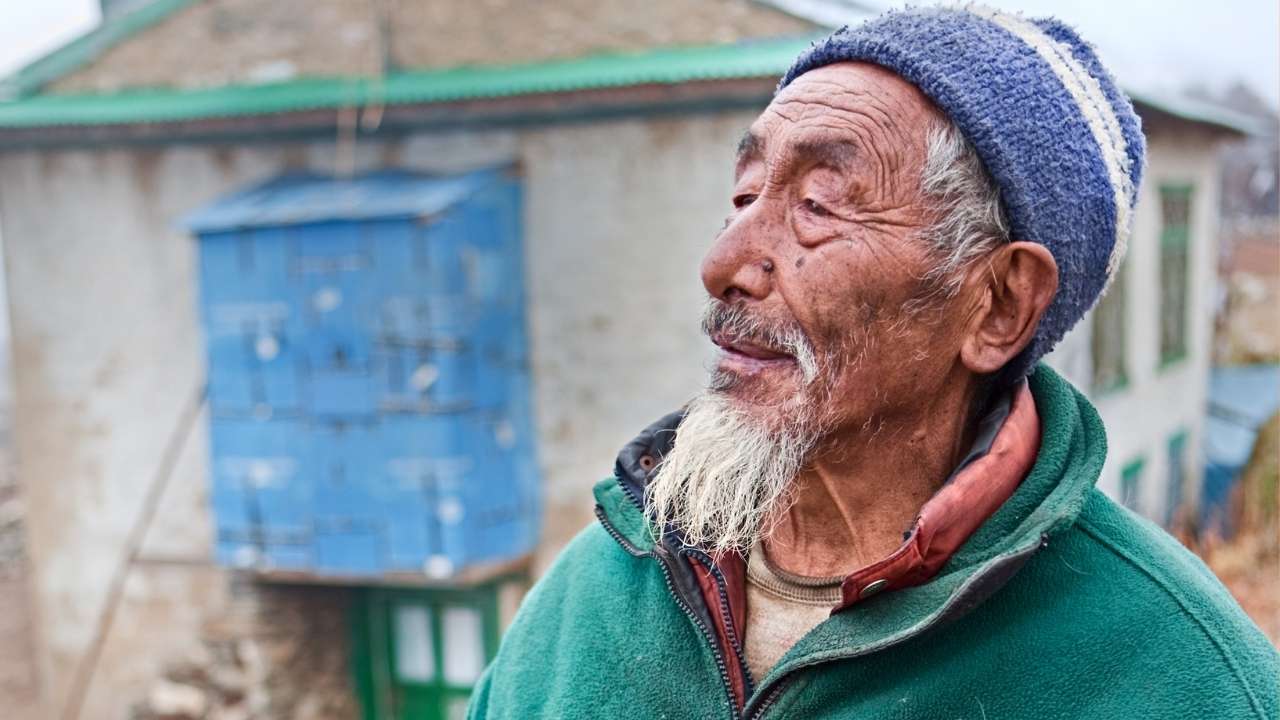
Learn about Sherpa culture and traditions, Buddhist practices, village life, festivals, food and local customs along the Everest trekking routes.
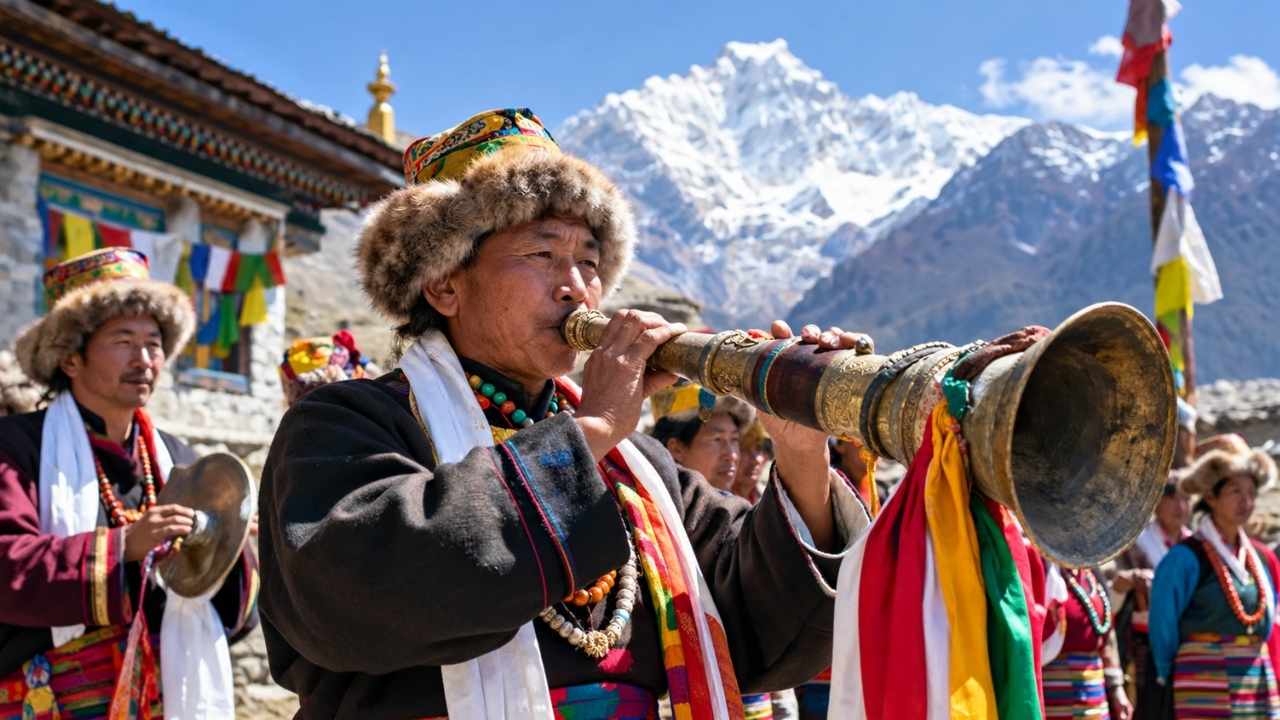
Sherpa culture in the Everest region is closely connected with Buddhism, mountain farming, livestock, trade, family life and the villages of Khumbu. Trekkers see this culture through monasteries, mani walls, prayer wheels, chortens, prayer flags, stone houses, local food and the people who live and work along the trails. These are part of everyday life in the region, not displays created for visitors.
I have been guiding in the Everest region since 2002, and I have walked these trails many times. I have guided trekkers to Everest Base Camp, Gokyo and across Kongma La, Cho La and Renjo La. When I take people through Khumbu, I tell them to look beyond the mountains and notice the villages, religious sites and daily work around them.
The Everest Base Camp, Gokyo Lakes and Everest Three High Passes routes pass through different valleys, but they are all connected to the wider Khumbu region. Namche Bazaar, Tengboche, Pangboche, Gokyo and Thame each have their own setting and history.
You do not need to study Sherpa history before coming to Nepal. Knowing a few local customs will help you understand what you see and show respect while walking through communities where people live and work.
| Part of Sherpa culture | What trekkers may see |
| Sherpa villages | Stone houses, lodges, farms and family life |
| Buddhist monasteries | Prayer halls, murals, statues and ceremonies |
| Mani walls | Stone slabs carved with Buddhist prayers |
| Prayer wheels | Wooden or metal cylinders containing prayers |
| Chortens and stupas | Buddhist religious structures along trails and in villages |
| Prayer flags | Flags carrying Buddhist prayers and mantras |
| Namche Bazaar | A major trading, service and tourism centre |
| Thame | An older Sherpa settlement with historical trade connections |
| Yaks and dzos | Animals used for transport, farming and local livelihoods |
| Local lodges | Family-run accommodation and restaurants |
| Festivals | Religious and community celebrations |
| Mountain farming | Potatoes, barley and other crops grown at high elevation |
Sherpa communities are especially associated with the high valleys of the Khumbu region. Their history in the Himalayas developed through settlement, farming, livestock keeping, trade, Buddhist traditions and connections across the mountain passes.
The word Sherpa should not be used simply to mean a mountain guide or porter. Sherpa is an ethnic and cultural identity. Sherpa people work in many occupations, including guiding, portering, farming, lodge management, cooking, trading, education and other businesses.
Tourism has become an important part of the local economy, particularly in villages along the major trekking routes. It sits alongside older ways of earning a living rather than completely replacing them.
Tibetan Buddhism has a strong influence on traditional Sherpa life in Khumbu. You can see this in monasteries, chortens, mani walls, prayer wheels, prayer flags, household practices and religious festivals.
Religious objects along the trail are not simply decorations for trekkers. People may stop to pray, make offerings, spin prayer wheels or walk around religious structures as part of their daily practice.
Visitors do not need to participate in religious activities. If you enter a monastery or come across a ceremony, watch quietly and follow the instructions of monks or local people.
Mani walls are built from stones carved with Buddhist prayers and inscriptions. They are found beside trails, near villages and around religious sites throughout Khumbu.
Do not climb onto mani walls, sit on the carved stones or remove a stone as a souvenir. The same applies to chortens and other religious structures.
Prayer wheels are commonly placed along trails and near monasteries. If you want to turn one, do so gently and in the customary direction. Prayer flags can be seen on bridges, rooftops, hillsides, passes and religious sites. Do not pull them down, step on them or take them away.
Tengboche Monastery is one of the most important Buddhist religious centres on the Everest Base Camp route. It stands at about 3,867 metres and remains an active monastery rather than a historical building preserved only for visitors.
Inside, you may see Buddhist statues, religious paintings, prayer texts, butter lamps and other objects used for worship. Access to some areas can depend on religious activities taking place that day.
Keep your voice low, follow local instructions and ask before taking photographs, especially during prayers or ceremonies. Mani Rimdu, one of the best-known festivals associated with Tengboche, includes religious ceremonies, prayers and masked dances.
Namche Bazaar is more than a stopping point for trekkers acclimatizing before heading higher. It has long served as an important settlement and trading centre for communities in the surrounding valleys.
Historical trade routes connected Khumbu with Tibet and other parts of the region. Traders moved goods through difficult mountain passes, and these connections helped shape the communities that developed in the area.
Today, trekking and tourism are major parts of Namche’s economy. Hotels, restaurants, trekking shops, bakeries, equipment stores and other businesses operate alongside homes and older community structures.
Khumbu has long-standing connections with Tibet through trade, religion, migration and family relationships. Mountain passes were difficult routes, but they also provided links between communities on different sides of the Himalayas.
Goods such as salt, wool and grain were historically traded across these routes. The old trading connections are particularly relevant when looking at places such as Thame and the valleys around the Renjo La route.
Modern tourism has changed how many people earn their income, but the older connections remain part of Khumbu’s history.
Thame is an older Sherpa settlement in the northern part of Khumbu. It sits away from the main Everest Base Camp route and has historical connections with trade routes leading toward Tibet.
The village is also connected with the high-pass trekking route through Renjo La. Walking through Thame gives trekkers a different view of Khumbu from the busier sections around Namche and the Everest Base Camp trail.
Homes, fields, Buddhist structures and local businesses are part of the village itself. Trekkers should treat Thame as a residential community rather than a sightseeing display.
Sherpa villages are working communities. People cook meals, farm, run lodges and shops, care for animals, maintain houses and take part in religious activities while trekkers pass through.
Ask before photographing people, particularly children, elderly residents and monks. Stay on public trails and do not enter private houses, yards or farm areas unless you are invited.
A respectful visitor does not need to avoid local people. A simple greeting and a polite conversation can be enough.
Older Sherpa houses often use stone walls, small windows and thick construction suited to the cold conditions. Many buildings were designed around family life, livestock and the need to store food and supplies.
Tourism has changed village construction. Some traditional homes have become lodges, while newer buildings may have larger dining rooms, private bathrooms, solar systems, improved insulation and other facilities for visitors.
The mix of older houses and newer lodges shows how Khumbu has changed as tourism has grown. It also brings pressure on land, water, construction materials and waste management.
Farming at high elevation is limited by cold temperatures and a short growing season. Potatoes and barley are among the crops associated with traditional mountain farming, with stone walls often used to protect fields.
Livestock has also been important for food, transport and farm work. Yaks and dzos are particularly suited to mountain conditions and remain part of life in the higher valleys.
Tourism now provides income for many households, but farming and livestock have not disappeared from Khumbu.
Yaks have traditionally provided milk, meat, wool and transport. Their dung can also be used as fuel in places where firewood is limited.
Dzos are yak-cattle hybrids commonly used for carrying supplies and farm work, particularly at elevations where they are more practical than ordinary cattle.
Trekkers should give these animals enough space on narrow trails. If a yak or dzo is approaching, move to the safe side of the trail and wait rather than trying to squeeze past.
Food in Khumbu reflects Sherpa, Tibetan and wider Nepali influences. Dal bhat, noodles, soups, potatoes, momos and Tibetan-style breads are common choices in lodges.
Most trekking lodges also serve eggs, rice, pasta, pancakes and other dishes requested by international trekkers. Menus usually become more limited as you travel higher because food and cooking supplies have to be transported into the mountains.
Potatoes are particularly important in the high valleys because they grow better in cold conditions than many other crops.
Religious festivals are an important part of community life in Khumbu. Mani Rimdu at Tengboche is one of the best-known celebrations associated with the Everest region and includes prayers, ceremonies and masked dances.
Losar, the Tibetan and Himalayan New Year, is also observed by many Buddhist communities. Festival dates follow lunar calendars, so they change from year to year.
If your trek coincides with a religious celebration, you may see ceremonies taking place in or around villages and monasteries. Give participants enough space and follow any instructions about where visitors may stand or take photographs.
The Everest Base Camp route passes through several important Sherpa communities. Namche Bazaar is the largest settlement most trekkers encounter early in the trek, followed by villages such as Tengboche, Pangboche and settlements farther up the Khumbu Valley.
Along the route, look for mani walls, prayer wheels, chortens, monasteries, stone houses, farm fields and livestock. These details show how people have adapted their homes, work and religious practices to life at high elevation.
Tengboche gives trekkers an important connection to Buddhist religious life, while Pangboche is one of the older settlements along the route.
The Gokyo route follows the Dudh Koshi Valley and passes through smaller communities before reaching Gokyo. Compared with Namche, the settlements farther along this route are smaller and have fewer services.
You will still see mani walls, prayer wheels, chortens, stone houses, farms and family-run lodges. Gokyo is also connected with the high mountain lakes and the religious traditions associated with the area.
The route shows how communities in the upper valleys manage farming, livestock, tourism and transport with limited local resources.
The Everest Three High Passes route connects several parts of Khumbu that are separated by high mountain passes. The route commonly links the Kongma La, Everest Base Camp, Cho La, Gokyo, Renjo La, Thame and Namche areas.
This trek gives you a wider view of Khumbu because you spend time in several valleys rather than following only the main Everest Base Camp trail.
The high passes also help explain the historical importance of movement between these valleys. Today, trekkers use the same general connections, although the crossing of Kongma La, Cho La and Renjo La requires considerably more physical preparation than walking between the main villages.
When walking around a Buddhist chorten, mani wall or prayer wheel, follow the local direction used by other people. Do not climb over religious structures to save a few steps.
Mani stones carry religious inscriptions. Leave them where they are and do not move, collect or sit on them.
A quick request before taking someone’s photograph is respectful. This is particularly important with monks, elderly people and children.
A village is someone’s home. Do not walk into courtyards, houses, farms or other private areas without permission.
Keep your phone silent and speak quietly. If prayers are taking place, remain in the area designated for visitors and avoid interrupting people.
Some monasteries allow photography in certain areas but not others. Ask before taking photographs inside prayer halls or during ceremonies.
Never block an animal on a narrow trail. Move to a safe place and allow the handler to pass.
Giving money, sweets or gifts to children along trekking routes can encourage repeated asking. It is better to support local communities through legitimate businesses and services.
Prayer flags, mani stones, offerings and other religious objects should stay where local people have placed them.
Carry your rubbish until you reach an appropriate disposal point. Reduce single-use plastic where possible and use water carefully.
Guides, porters, lodge staff, cooks and other workers are part of the trekking system. Agree on pay, load limits and working conditions clearly when hiring people directly.
Local people are usually happy to explain things when asked respectfully. Your guide or lodge owner can also explain the meaning of places and traditions you see along the route.
Tourism has created employment and business opportunities throughout Khumbu. Many people now work as guides, porters, lodge owners, cooks, drivers, shopkeepers and trekking business operators.
It has also brought better access to electricity, communications, internet services, construction materials and other goods. Lodges in major villages can offer facilities that were not available to earlier generations.
There are costs as well. More visitors mean greater demand for water, food, fuel, construction and waste management. The way each village manages these pressures is part of the ongoing change in Khumbu.
I started working as a porter in 1996 when I was 14 years old. I carried loads for several years before moving into guiding and completing my guide training in 2002.
Carrying a heavy load taught me how much the weight of a bag can affect a person’s walking speed, rest breaks and energy. That experience still influences the way I work with porters today.
A porter is not simply someone who carries luggage. Porters are part of the trekking team, and their load, food, accommodation, pay and working conditions deserve proper attention.
Good guiding is also about understanding the people you are walking with and the communities along the route. I learned that from my own years on the trail.
One of the simplest ways to support Khumbu communities is to spend money with local businesses. Stay in locally operated lodges, eat at local restaurants, hire qualified local guides and porters, and buy locally made products when appropriate.
If you hire a porter independently, agree on the daily rate, maximum load, food, accommodation and other conditions before starting. Clear arrangements prevent problems later.
Trekkers can also reduce pressure on villages by carrying reusable bottles, limiting plastic waste, using water carefully and taking rubbish to proper disposal points.
| Trekking route | Cultural points to notice |
| Everest Base Camp Trek | Namche Bazaar, Tengboche Monastery, Pangboche and Sherpa settlements along the main route |
| Gokyo Lakes Trek | Dudh Koshi Valley communities, Gokyo settlement and traditions connected with the upper valley |
| Everest Three High Passes Trek | Several Khumbu valleys, Gokyo, Thame and historical trading connections |
The three routes overlap in some areas but give different views of Khumbu. The Everest Base Camp route has the largest concentration of trekkers and passes through several major settlements.
The Gokyo route takes you through smaller communities toward the western side of the main Everest trekking area. The Three High Passes route connects more valleys and includes Thame, Gokyo and the high passes.
Look at the details around you rather than only the mountain peaks. Stone walls, prayer wheels, mani stones, chortens, prayer flags, farm fields and house construction all tell you something about life in the region.
You can also notice how supplies reach the villages. Food, fuel, building materials and other goods have to be transported over difficult terrain, with people and pack animals playing an important role.
If you are curious about something, ask your guide or a lodge owner. A short explanation can give you much more context than simply passing the same place without knowing its purpose.
The Everest trekking routes pass through real communities with homes, farms, monasteries, shops, lodges and families. Namche, Tengboche, Pangboche, Gokyo and Thame are not just names on a trekking map.
The mountains are the reason most people come to Khumbu, but the route also takes you through places shaped by generations of farming, trade, religion and mountain life.
I have watched these trails and villages change since I first came here as a porter in 1996. Tourism has changed many things, but the people, Buddhist traditions and community life remain an important part of the region.
You do not need to know every Sherpa tradition before starting your trek. Be respectful, ask questions and pay attention to what is happening around you.
When you pass a mani wall, prayer wheel or monastery, understand that it has a purpose beyond the trekking route. When you enter a village, remember that people live there and have their own daily work.
I have been walking in the Everest region since 1996 and guiding here since 2002. For me, trekking in Khumbu is not only about reaching Everest Base Camp or crossing a high pass. It is also about understanding the places and people along the trail. That is what I want trekkers to take home from Khumbu.
Sherpa culture developed among Sherpa communities of the Himalayan region and is strongly connected with Tibetan Buddhism, mountain farming, livestock, trade, family life and high-altitude settlements. In Khumbu, these traditions can be seen in villages, monasteries, religious structures, food and everyday work.
No. Sherpa is an ethnic and cultural identity, not a job title. Sherpa people work in many professions, including farming, business, education, hospitality, guiding, portering and other occupations.
Tibetan Buddhism has traditionally been an important part of Sherpa life in Khumbu. Monasteries, chortens, mani walls, prayer wheels, prayer flags and religious festivals are common features of the region.
A mani wall is a wall or collection of stones carved with Buddhist prayers and inscriptions. You will see them beside trekking trails and around villages in Khumbu. Trekkers should not climb, sit on or remove the stones.
Tengboche Monastery is an active Buddhist monastery at about 3,867 metres on the Everest Base Camp route. It is an important religious centre in Khumbu and is also associated with the Mani Rimdu festival.
Dress respectfully, keep your voice low, follow instructions from monks or staff and ask before taking photographs. Some areas may be closed to visitors, particularly during religious activities.
Mani Rimdu is a major Buddhist festival associated with Tengboche and other monasteries in the Everest region. It includes religious ceremonies, prayers and masked dances. The dates follow a lunar calendar and change each year.
Food varies between families and villages, but potatoes, barley, soups, noodles, momos and Tibetan-style breads are common. Dal bhat and other Nepali dishes are also widely available in trekking lodges.
A yak is a high-altitude bovine traditionally used for milk, meat, wool, transport and other purposes. A dzo is a yak-cattle hybrid commonly used for carrying loads and farm work.
Yes, but it is polite to ask first. Always ask before photographing monks, ceremonies, children or people who are working.
Not without permission. Villages are residential communities, so trekkers should stay on public paths and ask before entering private areas.
Use locally operated lodges and restaurants, hire local guides and porters, pay workers fairly, buy local products when appropriate and reduce waste. Respecting local customs is equally important.
No. Sherpa communities live in several Himalayan areas, and the wider Khumbu region includes routes beyond Everest Base Camp. The Gokyo Lakes and Three High Passes routes also pass-through Sherpa villages and areas with strong cultural and historical connections.
Pay attention to the villages and religious sites you pass, ask your guide questions and speak respectfully with local people when there is an opportunity. You will learn more by observing everyday life than by treating culture as a separate sightseeing activity.
What trekkers should know about mobile data, Wi-Fi, charging and phone batteries in the Khumbu. You can stay connected during the Everest…
Saligram

Kala Patthar is a rocky ridge above Gorak Shep on the Everest Base Camp route. It reaches 5,545 meters (18,192 feet), making…
Saligram

Tengboche Monastery is one of the main cultural stops on the Everest Base Camp Trek. It sits at about 3,867 meters on…
Saligram


