
Everest trek guide
Sherpa Culture in the Everest Region
Sherpa culture in the Everest region is closely connected with Buddhism, mountain farming, livestock, trade, family life and the villages of Khumbu.…
S
Saligram
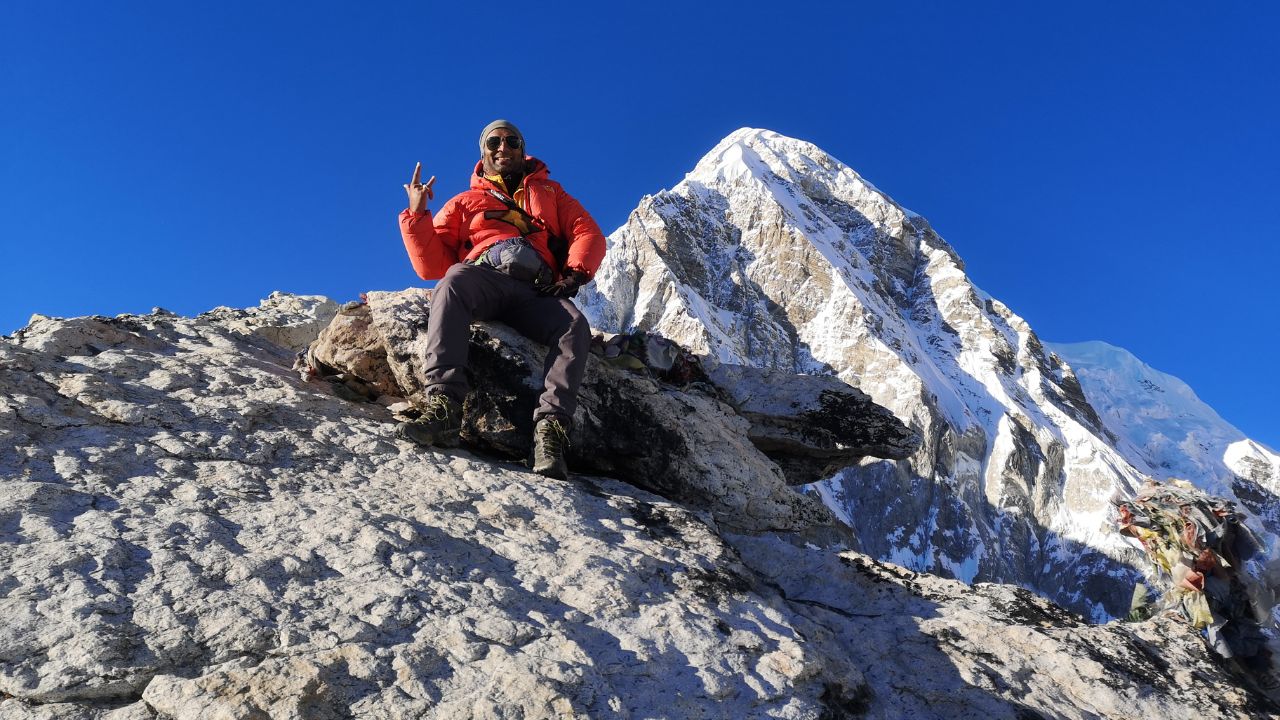
Kala Patthar (5,545m) is the highest point of the Everest Base Camp Trek, above Gorak Shep. This guide covers the route, sunrise climb, difficulty, weather, and safety tips from years of guiding in the Everest region.
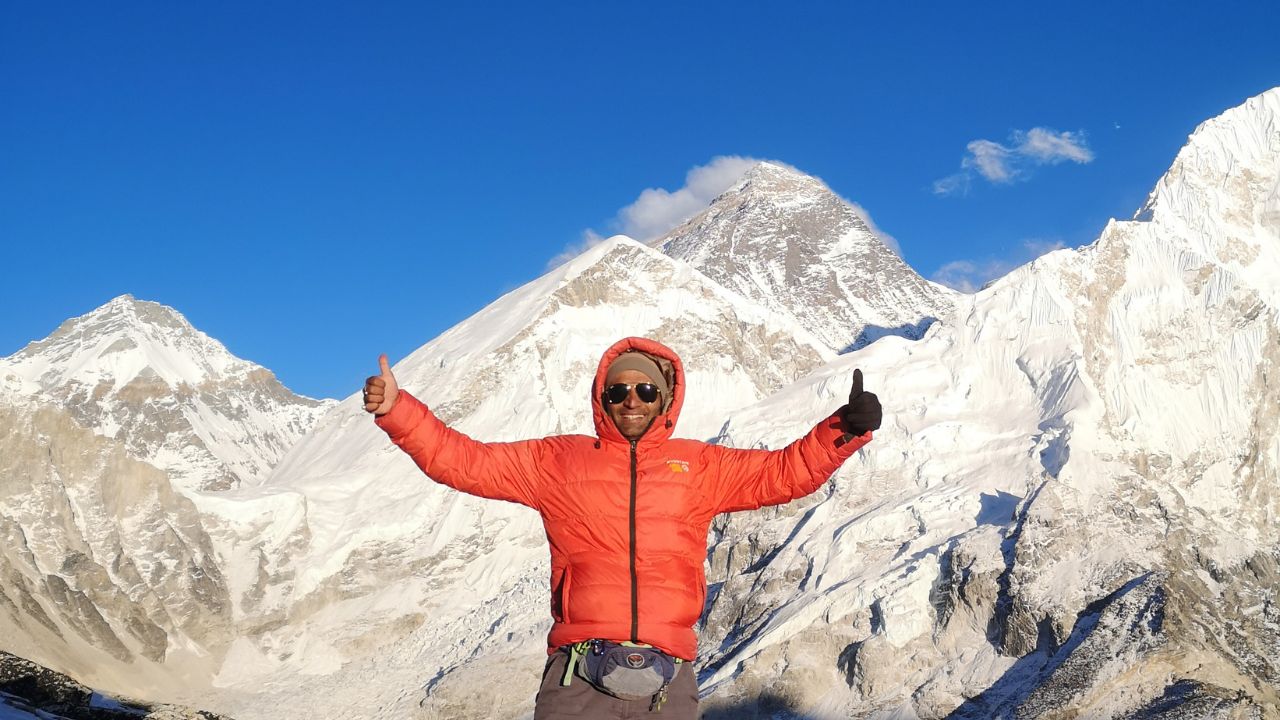
Kala Patthar is a rocky ridge above Gorak Shep on the Everest Base Camp route. It reaches 5,545 meters (18,192 feet), making it one of the highest points trekkers reach on the standard EBC itinerary. Most trekkers climb it early in the morning because the ridge gives a high viewpoint toward Everest, Nuptse, Lhotse and Pumori.
I have climbed Kala Patthar many times and have guided trekkers in the Everest region since 2002. The climb does not require technical climbing skills, but the altitude makes it physically demanding. My advice is simple: walk at a pace you can maintain, dress properly for the cold, drink regularly and tell your guide if you do not feel well.
| Detail | Information |
| Elevation | 5,545 m / 18,192 ft |
| Starting point | Gorak Shep |
| Region | Khumbu, Everest |
| Trek type | High-altitude trekking |
| Technical climbing | Not required |
| Usual visit | Early morning |
| Typical return | About 2–3 hours |
| Nearby destination | Everest Base Camp |
| Main difficulty | Altitude and uphill walking |
| Useful equipment | Warm layers, headlamp and trekking poles |
| Separate Kala Patthar permit | No |
Kala Patthar means “Black Rock” and refers to the rocky ridge above Gorak Shep. The normal route does not require ropes, climbing equipment or mountaineering experience. You walk over rocky ground with several steeper sections as you approach the upper ridge.
People climb Kala Patthar mainly because of its position above Gorak Shep. Everest Base Camp is the main destination of the trek, while Kala Patthar gives you a higher viewpoint toward Everest and the surrounding peaks. If your health allows, I recommend visiting both because they offer two different experiences.
Kala Patthar is in the Khumbu region of Nepal, above Gorak Shep. On the standard Everest Base Camp route, trekkers pass through Lukla, Phakding, Namche Bazaar, Tengboche, Dingboche or Pheriche, Lobuche and Gorak Shep before reaching the Kala Patthar section.
The climb starts from Gorak Shep, which is already at about 5,164 meters. That is why the short distance does not mean the climb will feel easy. By this point in the trek, your body has already spent several days gaining altitude.
The Nepal Tourism Board also places Kala Patthar above Gorak Shep on the Everest route and lists its elevation as 5,545 meters. It advises trekkers to allow time for acclimatization because altitude gains in the region can be rapid.
Kala Patthar and Everest Base Camp are close to each other, but they are not the same experience.
| Kala Patthar | Everest Base Camp |
| 5,545 m | 5,364 m |
| Higher viewpoint | Main EBC destination |
| Usually visited early morning | Usually visited during the day |
| Views toward Everest and surrounding peaks | Khumbu Glacier and Base Camp area |
| Short climb from Gorak Shep | Longer walk from Gorak Shep |
At Base Camp, you are beside the Khumbu Glacier and the area used by Everest expeditions. From Kala Patthar, you look toward Everest and the surrounding mountains from a higher position.
For me, there is no need to choose one if your itinerary and health allow both. Reaching Base Camp gives you the destination you came to walk to, while Kala Patthar gives you a different view of the mountain you have been approaching for days.
Kala Patthar stands at 5,545 meters. By the time you reach it, you have climbed a long way from Lukla, so the route needs enough time for your body to adjust.
| Place | Approx. elevation |
| Lukla | 2,860 m |
| Phakding | 2,610 m |
| Namche Bazaar | 3,440 m |
| Tengboche | 3,867 m |
| Dingboche | 4,410 m |
| Lobuche | 4,940 m |
| Gorak Shep | 5,164 m |
| Everest Base Camp | 5,364 m |
| Kala Patthar | 5,545 m |
The important point is not simply the final number. You need to reach that elevation gradually. Acclimatization stops in places such as Namche and Dingboche give your body time to adjust before you move higher.
I do not recommend cutting an acclimatization day just to make the trek shorter. At this altitude, one extra day can make a bigger difference than saving a few hours elsewhere in the itinerary.
Kala Patthar is technically straightforward but physically demanding. The trail is rocky, the upper section climbs steadily, and breathing becomes harder as you gain elevation.
A person who is fit at sea level can still find the climb difficult. I have seen this many times while guiding. Fitness helps you handle the walking, but it does not tell you exactly how your body will respond at 5,000 meters and above.
The best pace is one you can maintain without repeatedly stopping to recover. There is no benefit in trying to keep up with someone who is walking faster.
Most trekkers allow around two to three hours for the climb and return to Gorak Shep. Some take longer because they need more breaks or because snow and ice slow the route.
The trail rises from Gorak Shep over rocky and uneven ground. The surface becomes rougher in places as you gain height, and loose stones can make the footing less secure when your legs are tired.
Good trekking boots are important, especially if the trail is wet, icy or covered with snow. Trekking poles also help with balance and are particularly useful on the way down.
If you leave before sunrise, you will begin in darkness. A headlamp is essential, and I recommend keeping the light on a setting that lets you see the ground clearly rather than walking too quickly because you want to reach the ridge before the first light.
Most trekkers leave Gorak Shep around 4:30 to 5:00 in the morning when they want to reach the ridge around sunrise. The departure time changes with the season and the expected sunrise.
You start in darkness and gradually see the mountains as daylight arrives. Everest, Nuptse, Lhotse and Pumori can become visible as the sky brightens, but clouds can change the view from one morning to another.
A sunrise climb is not compulsory. If you are tired or the weather is poor, I would rather see you return safely than push yourself higher just because sunrise was written into the itinerary.
The cold is one of the main things to prepare for. Before sunrise, temperatures can be very low, and wind on the exposed ridge can make the conditions feel even colder.
I recommend a thermal base layer, fleece or warm mid-layer, insulated jacket, waterproof outer layer, warm hat, gloves and suitable trekking trousers. Keep an extra warm layer in your daypack so you can put it on before you become cold.
Good gloves are particularly important. You may spend time outside taking photographs or waiting for the light, and cold hands can become uncomfortable quickly.
Do not rely on the temperature in Gorak Shep during the afternoon to decide what you will wear for a pre-sunrise climb. The conditions can be very different before daylight.
You do not need a heavy bag for Kala Patthar. Carry water, a warm layer, gloves, a hat, sunglasses, sunscreen, personal medication, a headlamp and your phone or camera.
A small snack is useful too. Chocolate, an energy bar or dried fruit can give you something to eat during the climb without adding much weight.
Have breakfast at Gorak Shep before leaving. Porridge, eggs, toast, noodles or another familiar meal can provide energy without making you feel too full.
Use the toilet at your lodge before departure. There are no normal toilet facilities on the upper Kala Patthar trail.
Cold weather can make you less aware of thirst, but you still need to drink. Carry enough water for the climb and return, and take regular drinks instead of waiting until you are very thirsty.
If you use a hydration bladder, protect the drinking tube from freezing. A water bottle kept inside your daypack is another simple option.
You do not need to force yourself to drink excessive amounts. Drink regularly throughout the morning and pay attention to how you feel.
At 5,545 meters, altitude is the biggest concern on Kala Patthar. Headache, nausea, dizziness, unusual tiredness and loss of appetite can be signs of altitude sickness.
Tell your guide if you develop symptoms. Do not hide them because you want to reach the viewpoint. If symptoms become serious or continue to worsen, going higher is not the answer.
Confusion, difficulty walking or serious breathing problems require immediate attention. In such a situation, you should descend and seek medical help rather than trying to complete the climb.
The Nepal Tourism Board also advises trekkers to acclimatize gradually and notes that altitude sickness can become serious at high elevations.
Some trekkers use acetazolamide, commonly known as Diamox. Whether you should take it depends on your medical situation, so discuss it with a qualified medical professional before the trek. It does not replace acclimatization or careful pacing.
The main reason most trekkers climb Kala Patthar is the view. From the ridge, you can look toward Mount Everest, Nuptse, Lhotse and Pumori, along with the Khumbu Glacier and the high valleys around Gorak Shep.
The viewpoint gives you a different perspective from Base Camp. At Base Camp, the glacier and expedition area are close around you. From Kala Patthar, you are looking across them from a higher position.
The Nepal Tourism Board specifically identifies Kala Patthar as a viewpoint from which much of Mount Everest can be seen.
Weather still decides what you actually see. I never promise a particular view because mountain cloud can move in quickly, even when the morning starts clear.
Spring and autumn are the most popular seasons for the Everest Base Camp Trek. March to May and September to November are generally the busiest trekking periods.
Winter brings much colder mornings and can put snow or ice on the trail. The climb is still possible with proper clothing and suitable conditions, but you need to be prepared for the cold.
The monsoon months bring more rain and cloud to lower parts of the route. Conditions in the upper Khumbu can be different, so I pay more attention to the weather at Gorak Shep than to a general seasonal forecast for Nepal.
Kala Patthar normally fits into a 12- to 14-day Everest Base Camp itinerary. The exact schedule depends on the route, acclimatization plan, flights and weather.
I would not remove an acclimatization day simply to make the trek shorter. Saving one day is not worth making the high-altitude section harder than it needs to be.
| Day | Route | Approx. elevation |
| 1 | Lukla to Phakding | 2,610 m |
| 2 | Phakding to Namche Bazaar | 3,440 m |
| 3 | Acclimatization in Namche | 3,440 m |
| 4 | Namche to Tengboche | 3,867 m |
| 5 | Tengboche to Dingboche | 4,410 m |
| 6 | Acclimatization in Dingboche | 4,410 m |
| 7 | Dingboche to Lobuche | 4,940 m |
| 8 | Lobuche to Gorak Shep and Everest Base Camp | 5,364 m |
| 9 | Kala Patthar, then toward Pheriche | 5,545 m |
| 10 | Pheriche to Namche | 3,440 m |
| 11 | Namche to Lukla | 2,860 m |
| 12 | Lukla to Kathmandu | — |
This is one example of how Kala Patthar fits into an EBC trek. Some trekkers need additional days, and flight delays can also change the schedule. I prefer having some flexibility rather than planning every day so tightly that one delay causes problems for the whole trek.
There is no separate permit just for Kala Patthar. It is part of the Everest trekking route, so the permits and registrations for the wider trek apply.
For current trekking requirements, Nepal Tourism Board information states that trekkers in general trekking areas need TIMS and that licensed guide arrangements apply. Sagarmatha National Park entry requirements also apply to the Everest route.
A guide’s job is not simply to show you the path. On the upper EBC route, I watch walking pace, weather, trail conditions and how people are responding to the altitude. If someone is having trouble, I would rather change the plan than push them toward a viewpoint.
I have been guiding in the Everest region since 2002. Over the years, one thing has become very clear to me: an itinerary is a plan, not a reason to ignore what is happening on the trail.
You do not need a porter for the short Kala Patthar climb itself, but a porter can make the full EBC trek easier. Carrying a lighter daypack allows you to concentrate on walking rather than carrying your main luggage every day.
I started my own trekking career as a porter in 1996. I know what it is like to carry a heavy load on these mountain trails. Porters are part of the trekking team, and they deserve proper loads, equipment and respect.
Your insurance should cover high-altitude trekking at the maximum elevation of your itinerary. For an EBC trek that includes Kala Patthar, check the maximum altitude covered by the policy rather than assuming ordinary travel insurance is enough.
If your policy includes helicopter evacuation, check that this is specifically covered and that the altitude limit is high enough. Keep the policy information available during the trek.
This is especially important on the upper section of the EBC route because medical facilities are limited compared with Kathmandu or other cities.
First-time trekkers can climb Kala Patthar. You do not need previous mountaineering experience, but you need enough preparation for several days of walking at increasing altitude.
Fitness helps you handle the walking, but it does not guarantee that you will have no altitude problems. I have guided people with very different fitness levels, and their responses to altitude are not always what they expect.
Older trekkers can also complete the climb if their health and preparation are suitable. Anyone with a medical condition that could affect high-altitude exercise should speak with a doctor before planning the trek.
Children need more careful planning because of the altitude and long walking days. Parents should discuss the trip with a doctor and make sure the itinerary allows enough time for acclimatization.
The descent to Gorak Shep is generally easier on your breathing because you are losing altitude, but the rocky surface still needs attention. Your legs may already be tired from the climb, and loose stones can make the way down less secure.
Use your poles if you have them and take your time on loose sections. Once you return to Gorak Shep, eat, drink and rest before continuing toward Pheriche or wherever your itinerary takes you.
If the weather changes during the climb, you do not have to continue simply because you have already started. Strong wind, snowfall or poor visibility can change the conditions quickly.
I prepare everything before going to bed in Gorak Shep. Warm clothes, headlamp, gloves, water and other morning essentials should be somewhere you can reach them easily.
Charge your phone or camera and confirm the departure time with your guide. In the early morning cold, you do not want to spend ten minutes searching through your bag for gloves or a headlamp.
Then get some rest. You have already walked a long way to reach Gorak Shep, and you need energy for the next morning.
Do not compare your pace with other trekkers. Someone may walk past you quickly and then spend several minutes resting, while you may reach the same point at a steady pace without stopping as often.
Keep your breathing controlled and take a short break when you need one. If you feel unwell, tell your guide. Turning around is always better than ignoring a serious symptom because you want a photograph from the top.
I have climbed Kala Patthar many times, and I still treat the climb with respect. At 5,545 meters, the mountain decides how hard the day will be. My job as a guide is to help you make good decisions, not to force you to complete every step exactly as written on paper.
Kala Patthar can feel harder because it reaches 5,545 meters and has a steeper climb from Gorak Shep. Everest Base Camp is lower at 5,364 meters, although reaching Base Camp also involves a long walk over uneven terrain.
Yes. The two destinations are separate, although most EBC trekkers visit both because they offer different experiences.
Yes. No previous mountaineering experience is required. Beginners need proper acclimatization, suitable clothing and enough time to adjust to the altitude.
For sunrise, most groups leave around 4:30 to 5:00 in the morning. The exact departure time depends on the season and expected sunrise.
Yes. They help with balance on the rocky trail and are particularly useful during the descent.
Yes, but winter mornings can be extremely cold, and snow or ice may affect the trail. Proper clothing and a check of the trail conditions are important.
Phone connectivity can vary and should not be relied on for emergency communication. Your trekking company and guide should have a separate communication plan.
If you are simply tired, talk to your guide about resting or changing the plan. If you have symptoms of altitude sickness, do not continue higher just to reach the viewpoint.
Most trekkers allow about two to three hours for the climb and return from Gorak Shep. Some people take longer depending on their pace, breaks and trail conditions.
Kala Patthar at 5,545 meters is commonly the highest point reached on the standard EBC itinerary. Everest Base Camp is at 5,364 meters.
Sherpa culture in the Everest region is closely connected with Buddhism, mountain farming, livestock, trade, family life and the villages of Khumbu.…
Saligram

Tengboche Monastery is one of the main cultural stops on the Everest Base Camp Trek. It sits at about 3,867 meters on…
Saligram
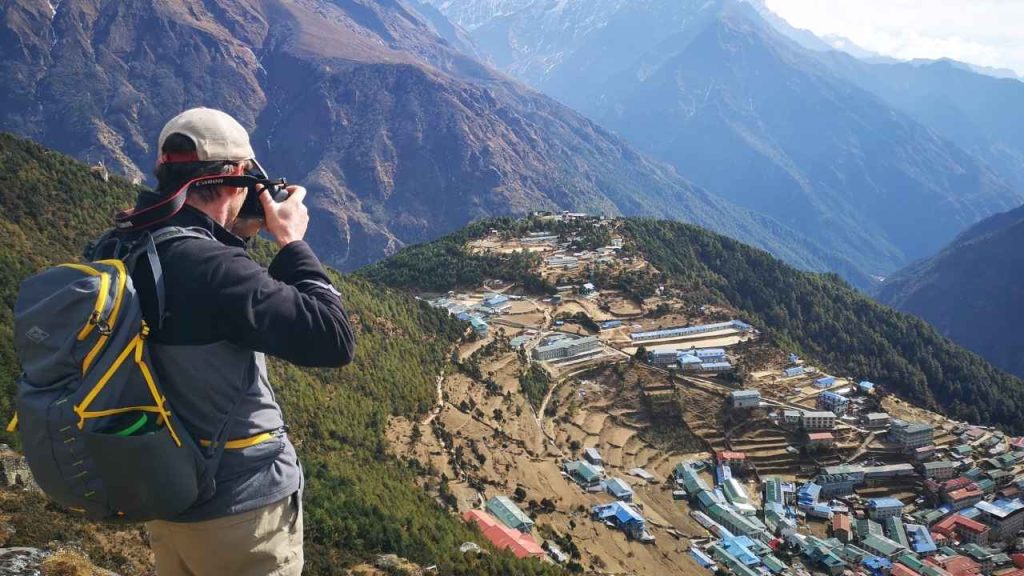
Namche Bazaar is the main town in the Everest region and one of the most important stops on the Everest Base Camp…
Saligram


