Travel Guide
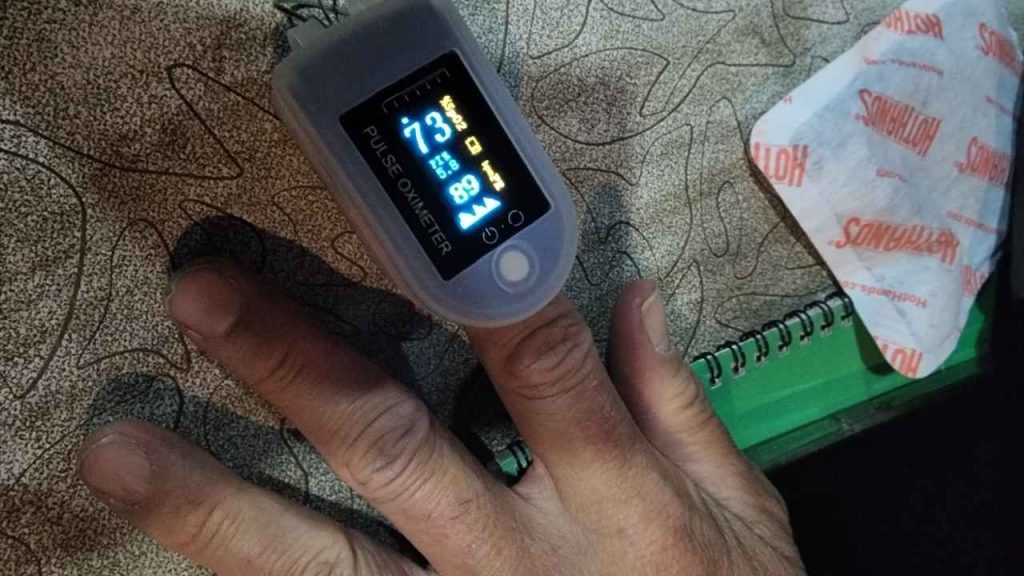
Everest Base Camp Trek Altitude Sickness: Symptoms, Causes & Prevention
Altitude sickness is one of the main health concerns on the Everest Base Camp trek. The route rises from Lukla at about…
S
Saligram
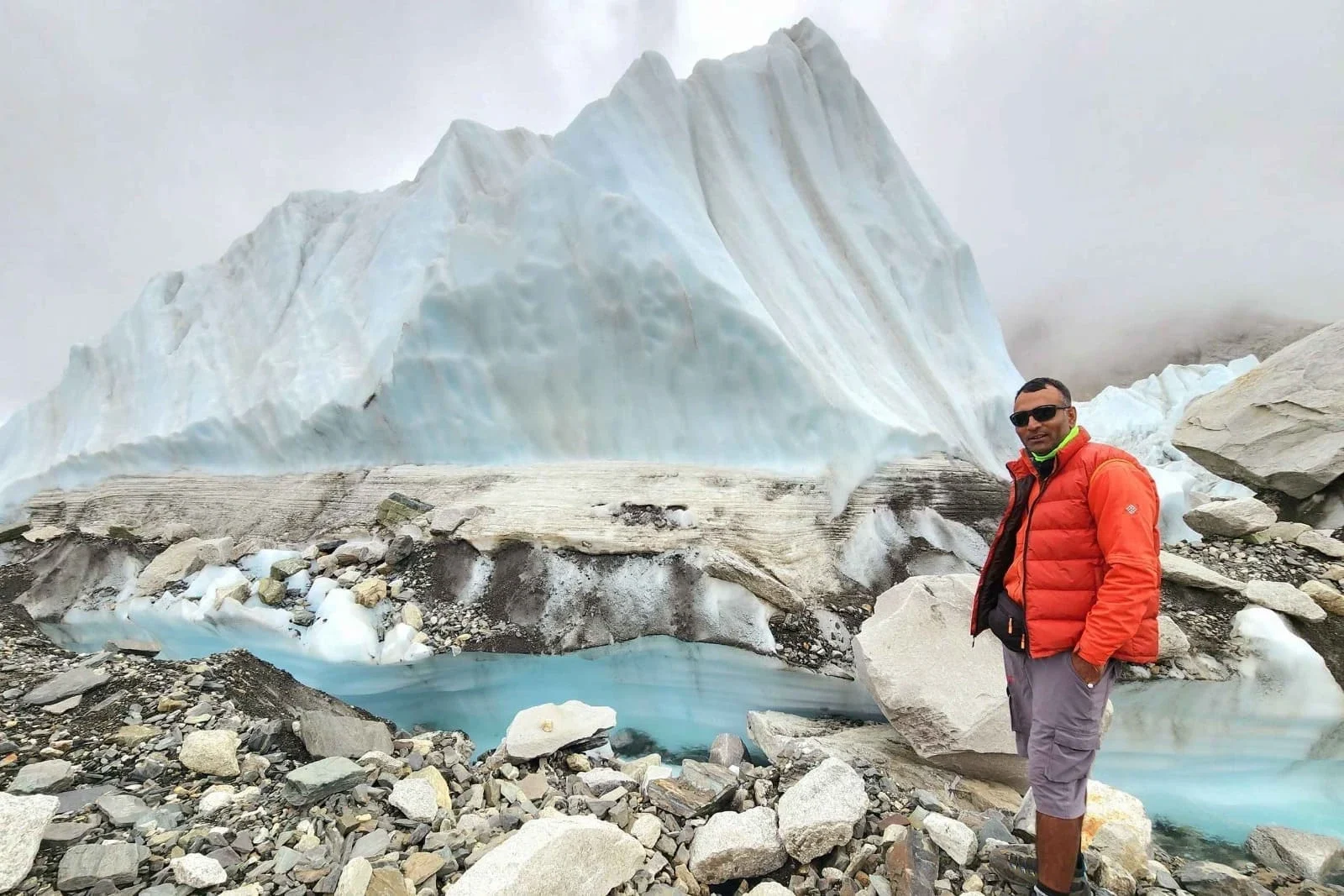
I (Saligram Aryal) started working in Nepal’s Himalayas in 1996 as a trekking porter. I was young, carrying loads for trekking groups and learning the mountains from the trail.
In 2002, I became a licensed trekking guide. I then spent years guiding trekkers across Nepal before starting my own company in 2010.
Today, I still guide trekkers, plan itineraries, work with our guides and stay involved in what happens on the trail.
700+ treks personally led
30+ years in Nepal’s trekking industry
Licensed trekking guide since 2002
Founded Mountain World Treks in 2010
My first work in trekking was as a porter. In 1996, I joined a trekking company and began carrying equipment and supplies for trekking groups. I remember carrying loads of around 35 kg and being paid 80 rupees a day.
I learned the mountains by walking them. I learned how long a day can feel when you are carrying a heavy load. I learned the trails, villages and teahouses. I saw how much work goes into supporting a trekking group before the trekkers even start walking each morning.
I also worked closely with international trekkers. That helped me improve my English and understand the questions and concerns that visitors have when travelling through Nepal. I wanted to become a guide, so I continued working in trekking and building my experience.
In 2002, I completed my guide training and became a licensed trekking guide. I spent the following years guiding for trekking companies in Nepal, including routes in the Everest, Annapurna, Langtang and Manaslu regions.
In 2010, I founded Mountain World Treks & Expedition.
Starting a trekking company did not mean leaving the mountains behind. I still personally guide trekkers when my schedule allows. I also help prepare itineraries, communicate with clients, work with our guides and deal with problems that arise during trips.
A trek rarely goes exactly according to a piece of paper. A Lukla flight can be delayed by weather. Someone can develop a headache after gaining altitude. A trekker may need a slower day. Snow can make a high pass unsafe. When something changes, we have to look at the situation in front of us and decide what makes sense. That is part of guiding in Nepal.
I have not forgotten what it was like to carry a trekking load. I know how a heavy pack feels after several hours of walking. I know that a porter can be tired even when the trekker carrying a much lighter daypack is not. That experience has influenced how I look at porter loads and the people who support trekking groups.
A trek involves many people. Porters carry equipment. Teahouse staff prepare rooms and meals. Local workers provide services along the trail. Guides are responsible for the group and the decisions made along the route. I believe everyone working on a trek should be treated with respect.
I do not believe that walking faster makes a better trek. At altitude, I watch how people are walking, whether they are eating and drinking normally, how they slept and whether they are developing symptoms such as headache or unusual tiredness.
If someone is struggling, I would rather slow down or change the plan than push them because the itinerary says we should reach a particular place. I also tell trekkers what the mountains are actually like.
Teahouse rooms can be basic. Hot showers, Wi-Fi and charging may cost extra. Toilets become less comfortable as you go higher. Food choices become more limited on remote and high-altitude sections. Knowing these things before leaving Kathmandu makes it easier to prepare for the trek.
I have guided extensively in the Everest region, including Everest Base Camp and the Gokyo Lakes area. The Everest Base Camp and Gokyo Lakes route is one of my favorite treks because it combines the main Khumbu trail with the Gokyo Valley and high mountain passes.
I have personally guided the Manaslu Circuit more than 20 times, including the high section toward Larkya La.
I have guided on routes throughout the Annapurna region, including Annapurna Base Camp.
I have also guided in the Langtang region, including the Langtang Valley.
Peak climbing requires different preparation from trekking. Summit days can involve early starts, cold temperatures, snow and ice, technical equipment and long hours at altitude.
I have summited several Himalayan trekking peaks:
Mera Peak is the highest point I have reached.
I founded Mountain World Treks & Expedition in 2010. The company now organizes trekking and peak climbing trips throughout Nepal, but I remain involved in the work behind each trip. I help with itineraries, trek preparation, guide coordination and communication with trekkers. When I am not guiding a group myself, I still follow what is happening on our trips and stay in contact with our team.
1996
Started working as a trekking porter
2002
Became a licensed trekking guide
2010
Founded Mountain World Treks & Expedition
700+
Treks personally led
7
Himalayan peak summits
6,476 m
Highest point reached, Mera Peak
I write about the things trekkers ask me about before coming to Nepal and the situations I have seen on the trail.
Some of my guides include:
Everest Base Camp Trek Food and Drinks
What you can expect to eat and drink along the Khumbu trail.
Training Plan for Everest Base Camp Trek
How to prepare before walking at high altitude.
Nepal Trekking Packing List
The clothing, footwear and equipment I recommend for trekking in Nepal.
Altitude Sickness in Nepal
What I have seen at altitude and what trekkers should understand before going higher.
Best Time to Trek in Nepal
How the seasons affect trekking in different parts of Nepal.
Nepal Trekking Insurance
Why medical treatment, helicopter evacuation and other cover matter on a high-altitude trek.
If you already know where you want to go, our team can help you arrange the trek.
If you are still deciding between routes, contact us how many days you have and what kind of trekking you have done before. We can then discuss the routes that fit your time and experience.
Mountain World Treks & Expedition
Kathmandu, Nepal
Saligram Aryal
Founder · Lead Himalayan Guide
Altitude sickness is one of the main health concerns on the Everest Base Camp trek. The route rises from Lukla at about…
Saligram
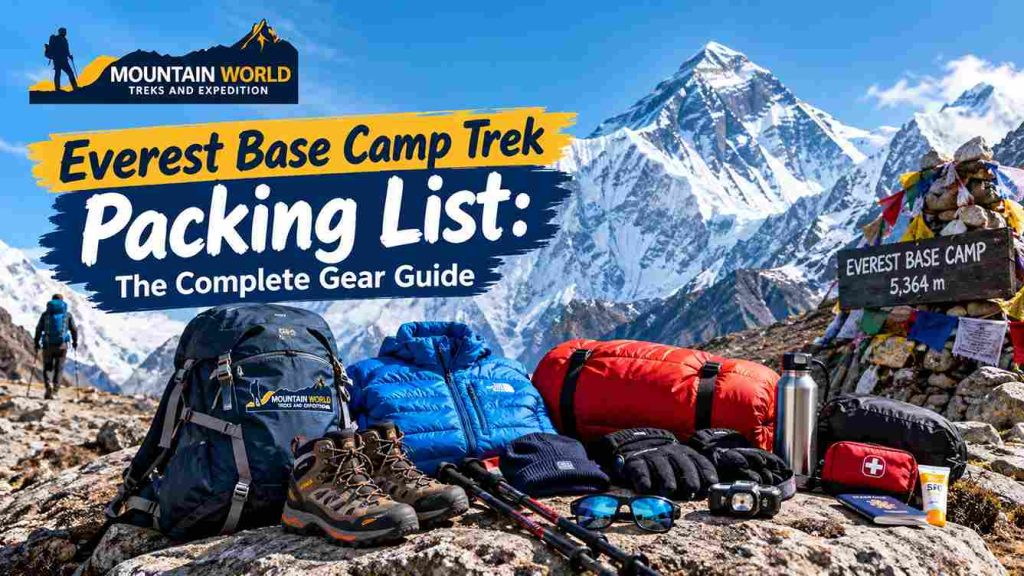
For the Everest Base Camp Trek, you need a reliable layering system, broken-in trekking boots, warm insulation, waterproof protection, a suitable sleeping…
Saligram
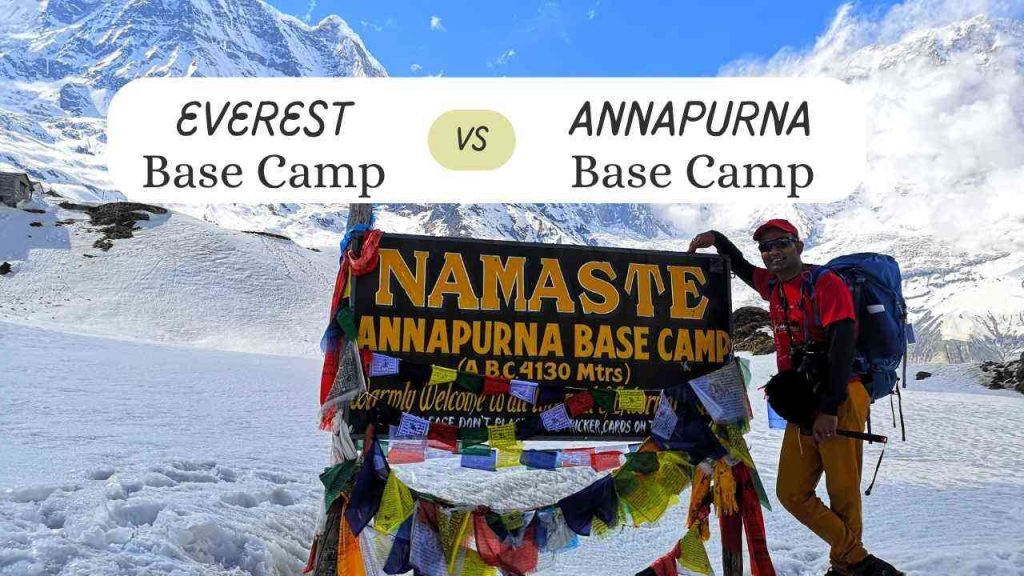
The Everest Base Camp Trek and Annapurna Base Camp Trek suit different types of trekkers. EBC takes you through the Khumbu region…
Saligram


