Langtang Gosaikunda Lake trek
Vineet
Singapore
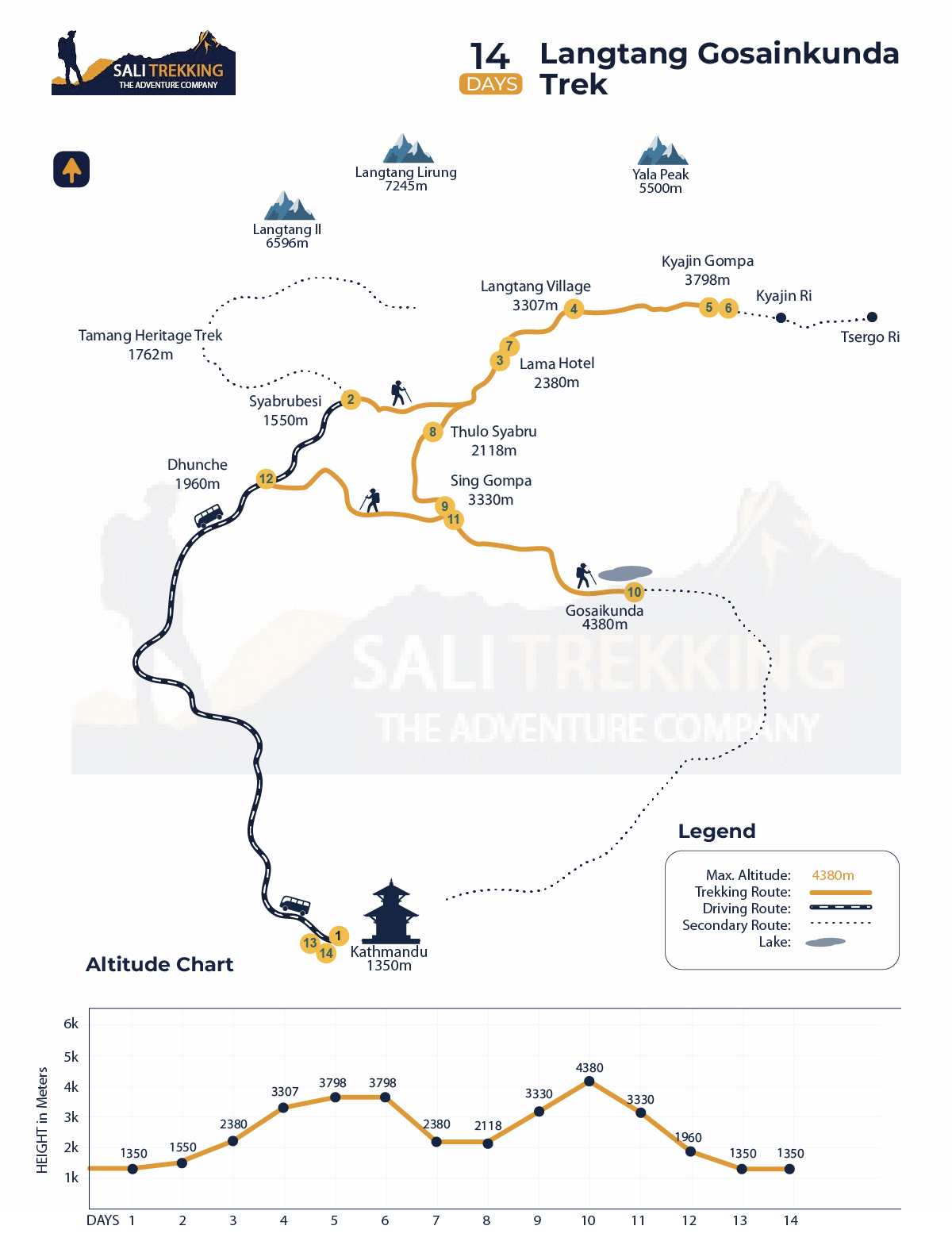
The Langtang Gosainkunda Trek is a 14-day trip with 10 days of walking, taking you from Syabrubesi through Langtang Valley and Kyanjin Gompa to sacred Gosainkunda Lake before descending to Dhunche and returning to Kathmandu.
The walking section begins at Syabrubesi. From here, the trail follows the Langtang Khola through Domen, Pairo, Bamboo, and Riverside, passing bamboo, oak, and rhododendron forest. The trail climbs to Lama Hotel, then continues through Ghodatabela and Thangshyap before reaching Langtang Village and Mundu.
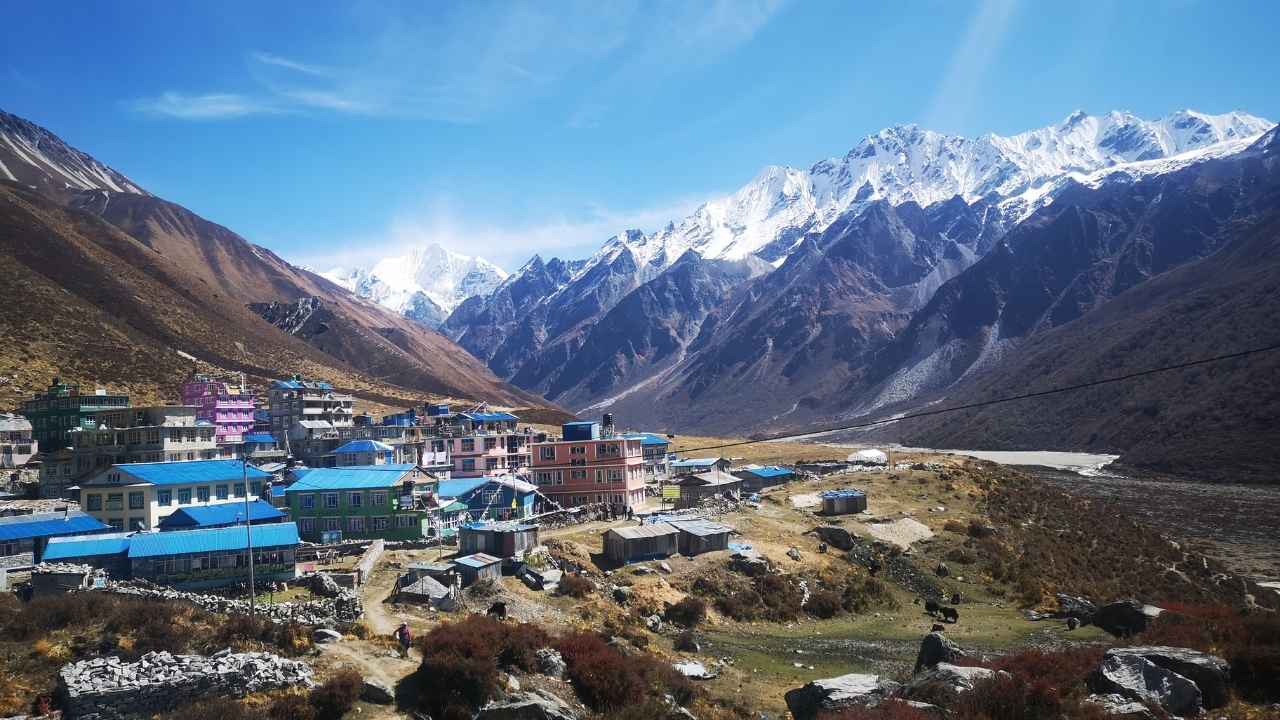
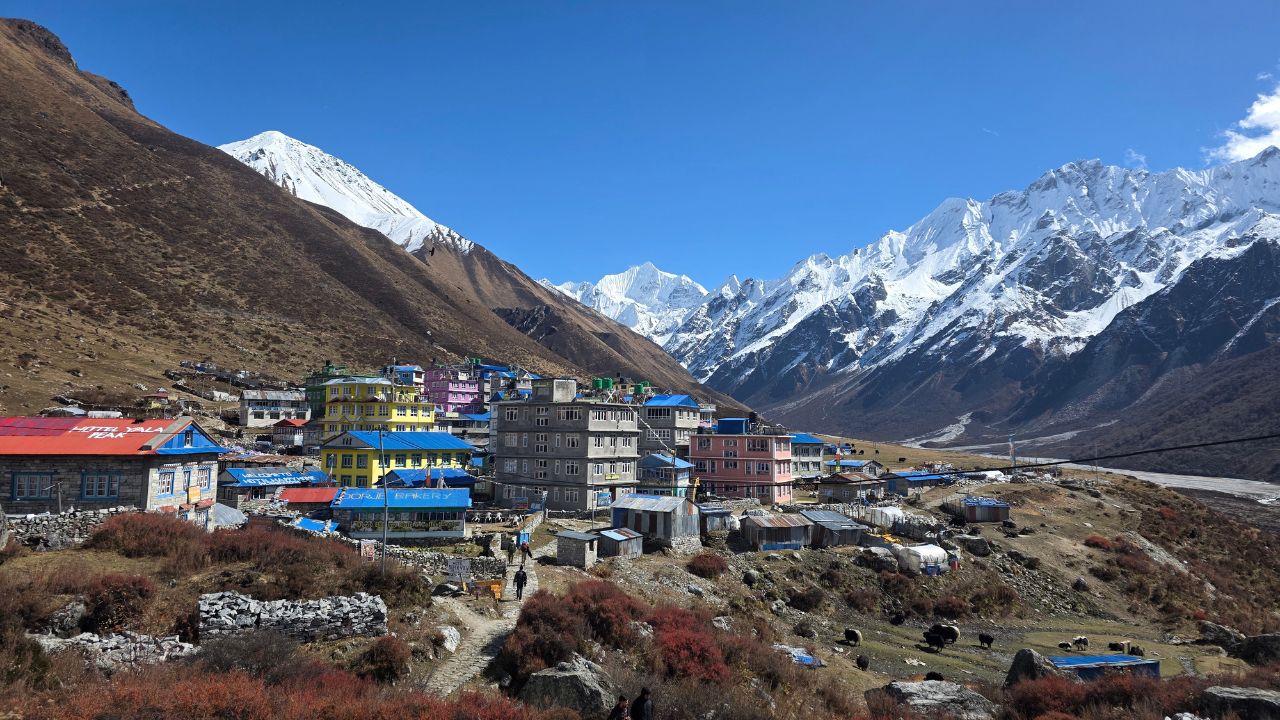
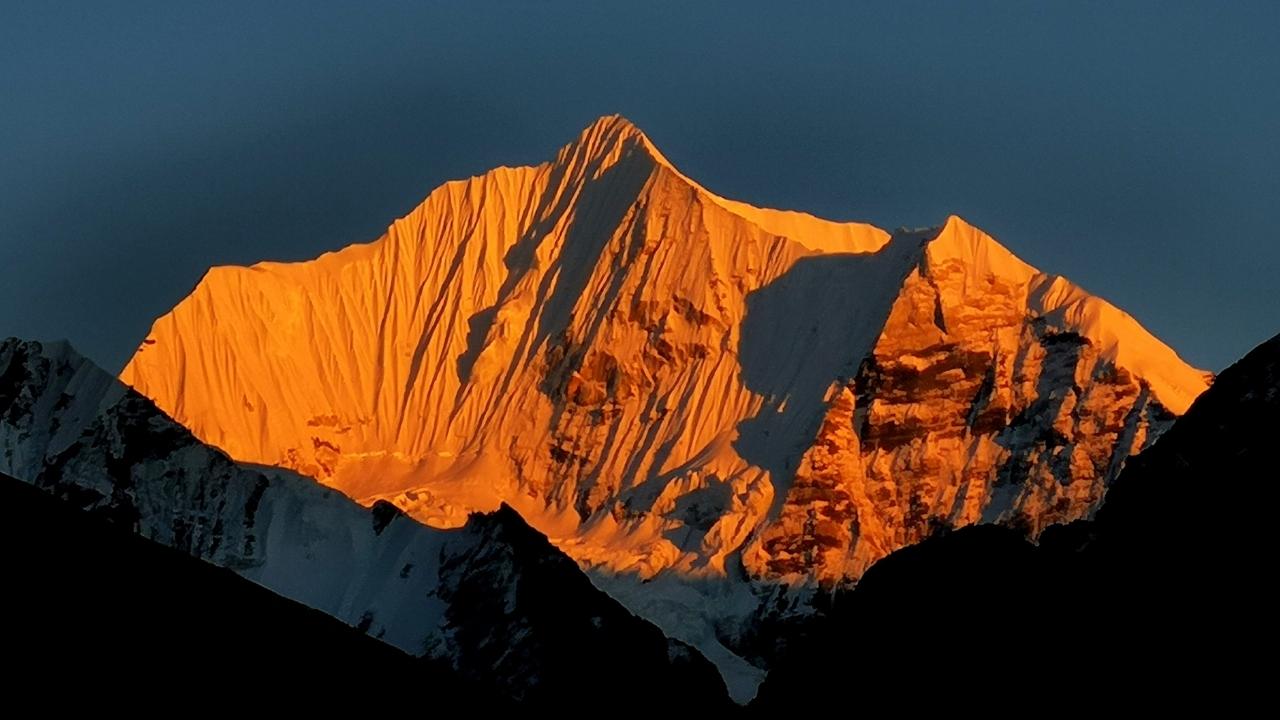
Beyond Mundu, the valley becomes wider as the trail passes Sindum and Yamphu on the way to Kyanjin Gompa (3,870 m). Langtang Lirung, Dorje Lakpa, Yala Peak, and other peaks rise around the settlement. Depending on the itinerary, there is time to walk toward Kyanjin Ri or Tserko Ri before returning through the valley.
The trail retraces the route through Langtang Village, Thangshyap, Ghodatabela, Lama Hotel, and Bamboo, then turns toward Thulo Syabru. From here, the path climbs through forest to Chandanbari (Sing Gompa) and continues through Cholang Pati and Lauribina.
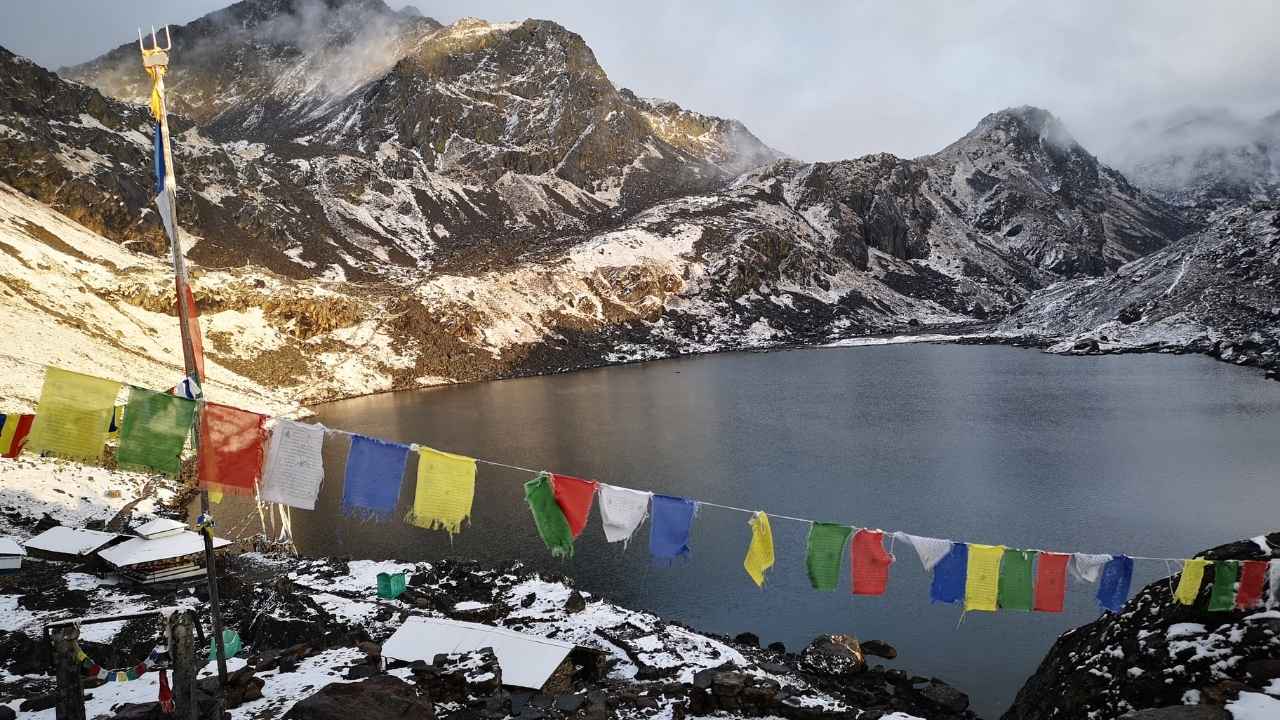
Above Lauribina, the forest gives way to open mountain slopes as the trail heads toward Gosainkunda Lake (4,380 m). The main lake is surrounded by rocky hills and several smaller alpine lakes. Gosainkunda is a sacred pilgrimage site for both Hindus and Buddhists, particularly during the Janai Purnima festival.
From Gosainkunda, the trail descends toward Dhunche. The walking section ends there, followed by the drive back to Kathmandu and the remaining days of the trip. The day-by-day itinerary below shows the walking distance, walking time, altitude, and overnight place for each of the 10 walking days.
Ready to go?
Download Day-by-Day Itinerary
The Langtang Valley and Gosainkunda Trek uses road transport from Kathmandu to Syabrubesi and from Dhunche back to Kathmandu. There are no domestic flight options for this trek.
Kathmandu to Syabrubesi: Travel by bus, private jeep, or van. The drive is about 120 km and takes 6–8 hours, depending on road and traffic conditions. The route passes through the Trishuli Valley and Dhunche before reaching Syabrubesi.
Dhunche to Kathmandu: After completing the trek, drive back to Kathmandu by bus, private jeep, or van. The journey is about 120 km and takes 5–7 hours.
Total Distance
Walking Days
Accommodation
Meals
Transportation
Group Size
Guide
Porter
Best Season
Fitness Level
Permit
Trip Style
Starts
Ends
Choose the Langtang Gosainkunda Trek if you want to see Langtang Valley and Gosainkunda Lake on the same trek. The route includes Tamang villages, Kyanjin Gompa, the high trail through Lauribina, and Gosainkunda.
I first walked these trails as a porter and later returned many times as a guide. I have seen the route in different seasons and walked it with many trekkers. I recommend it for people who want quieter trails, traditional villages, and a trek that does not feel the same from beginning to end.
Walk beside the Langtang Khola through Tamang villages and forest to Kyanjin Gompa at 3,870 m, with Langtang Lirung, Dorje Lakpa, and Yala Peak above the valley.
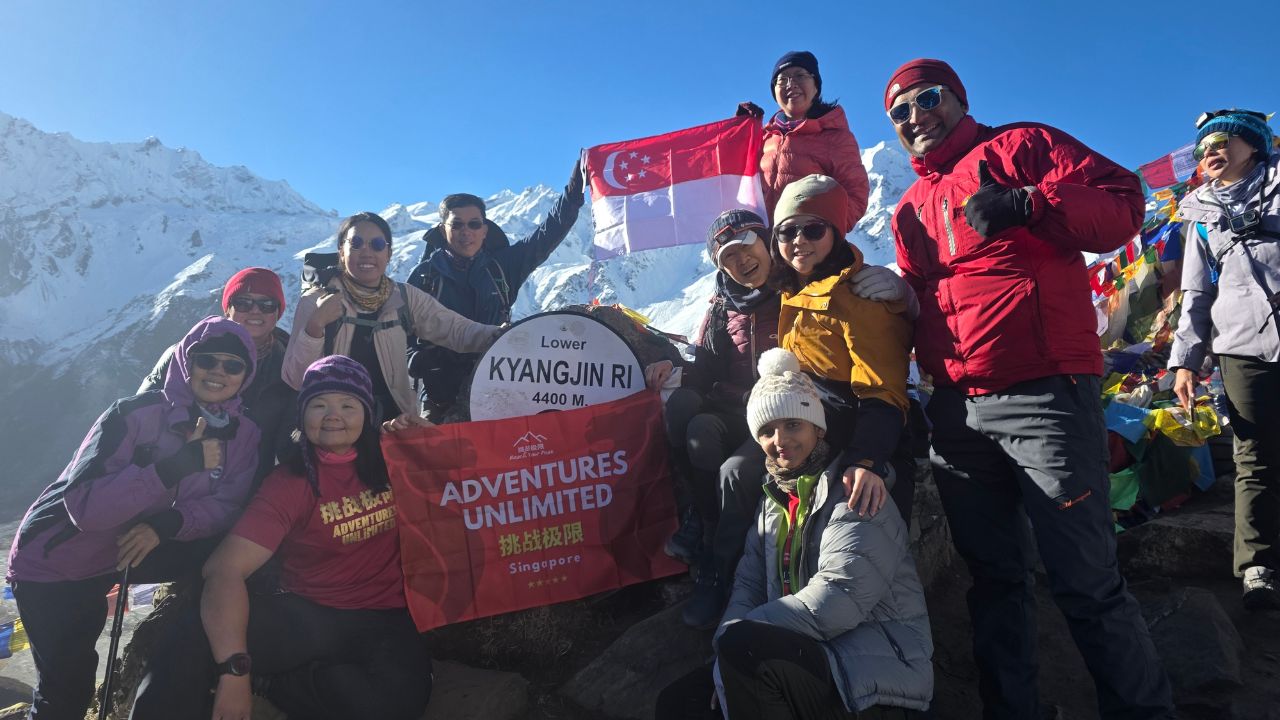
From Kyanjin Gompa, you can climb Kyanjin Ri or Tserko Ri. Both give you a higher view of the Langtang peaks and the valley you have walked through.
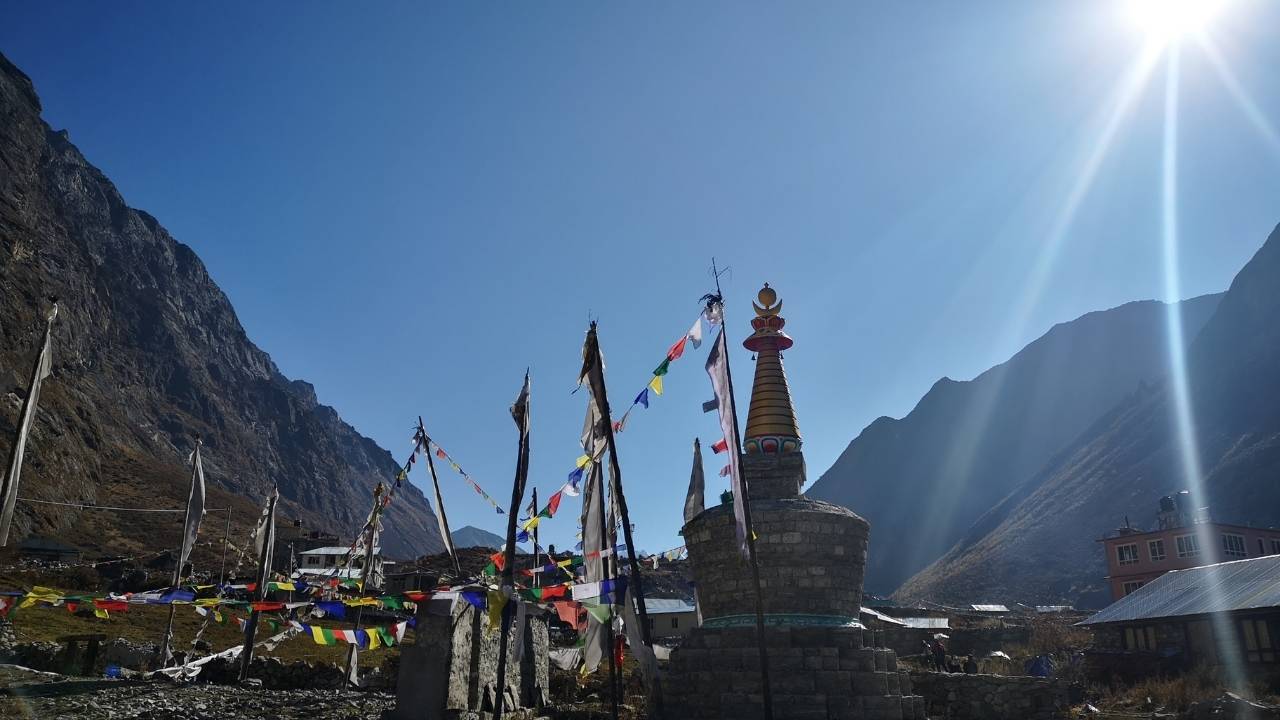
The trail passes through Langtang Village, Mundu, and Thulo Syabru, with traditional houses, monasteries, prayer flags, and mani walls along the way.
From Cholang Pati, the trail climbs to Lauribina and then toward Gosainkunda at 4,380 m. The trees become fewer here, and several smaller lakes appear around Gosainkunda.
This route combines Langtang Valley, Kyanjin Gompa, and Gosainkunda, so having a team familiar with the region matters. Mountain World Treks has guided trekkers through Langtang and Gosainkunda for years, with local guides who know the route, villages, and changing trail conditions.
Started as a Trekking Porter
Became a Licensed Guide
Founded Mountain World Treks
Still Actively Guiding Treks in Nepal
Years from Porter to Founder
All our guides are licensed by the Government of Nepal and have 10+ years of Himalayan trekking experience.
We provide support before and during your trek, assisting with planning, logistics, and emergencies.
We provide fair wages and better working conditions for porters while following responsible trekking practices.
Our prices are clearly explained from the start, including and excluding without hidden charges.
We limit groups to 12 trekkers, allowing guides to provide better attention, support, and a more personal trekking experience.
Emergency support and helicopter evacuation assistance when needed during high-altitude treks.
This trek is for travelers who want to experience Langtang Valley, Kyanjin Gompa, and sacred Gosainkunda Lake in one journey. It combines mountain villages, forests, Buddhist culture, and high Himalayan landscapes without requiring technical climbing.
It’s a good choice for travelers who enjoy multi-day mountain walks, local teahouse stays, changing scenery, and a mix of nature and culture. If this is your first Himalayan trek, see our Langtang Valley & Gosainkunda Trek Beginners Guide for practical information before you go
Travelers wanting to explore Langtang Valley and Gosainkunda
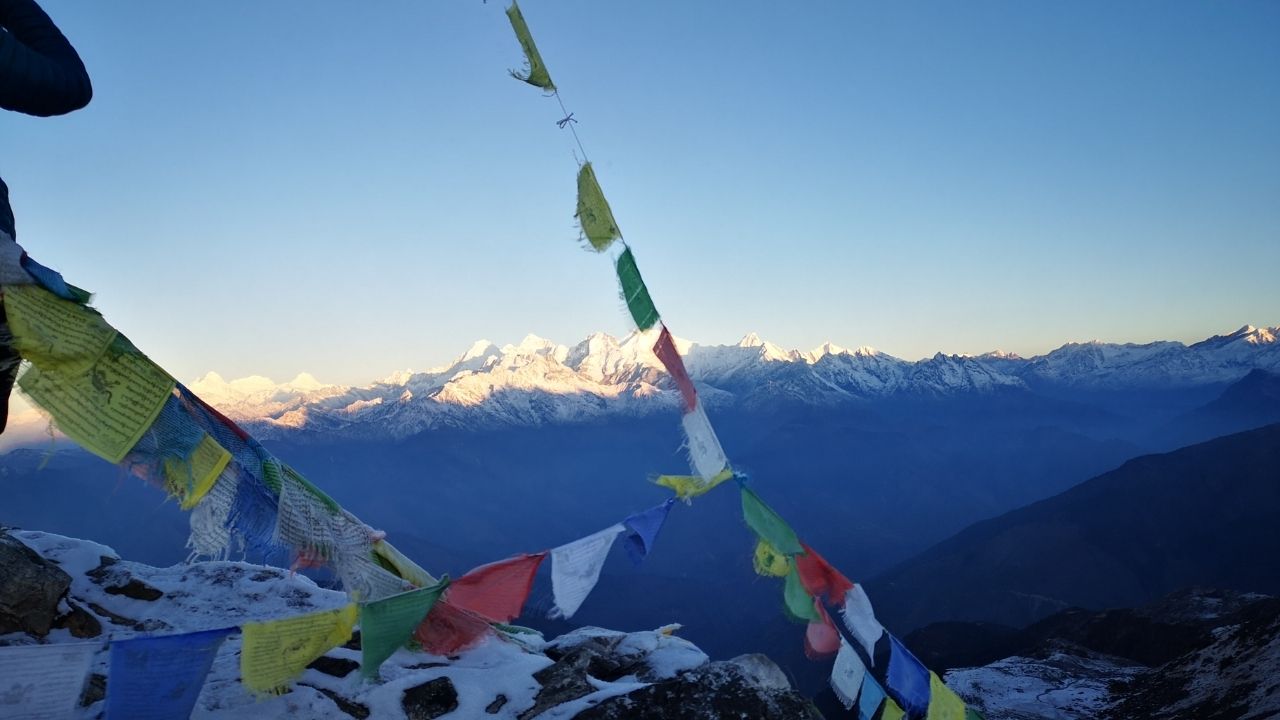
Reach the upper Langtang Valley and spend time around Kyanjin Gompa, with Langtang Lirung, Dorje Lakpa, and Yala Peak rising around the valley.
From Kyanjin Gompa, you can climb Kyanjin Ri or Tserko Ri for wider views across the Langtang range and the surrounding valleys.
The trail passes through Syabrubesi, Lama Hotel, Langtang Village, Mundu, and Thulo Syabru, with Tamang villages, Buddhist monasteries, prayer flags, and mani walls along the route.
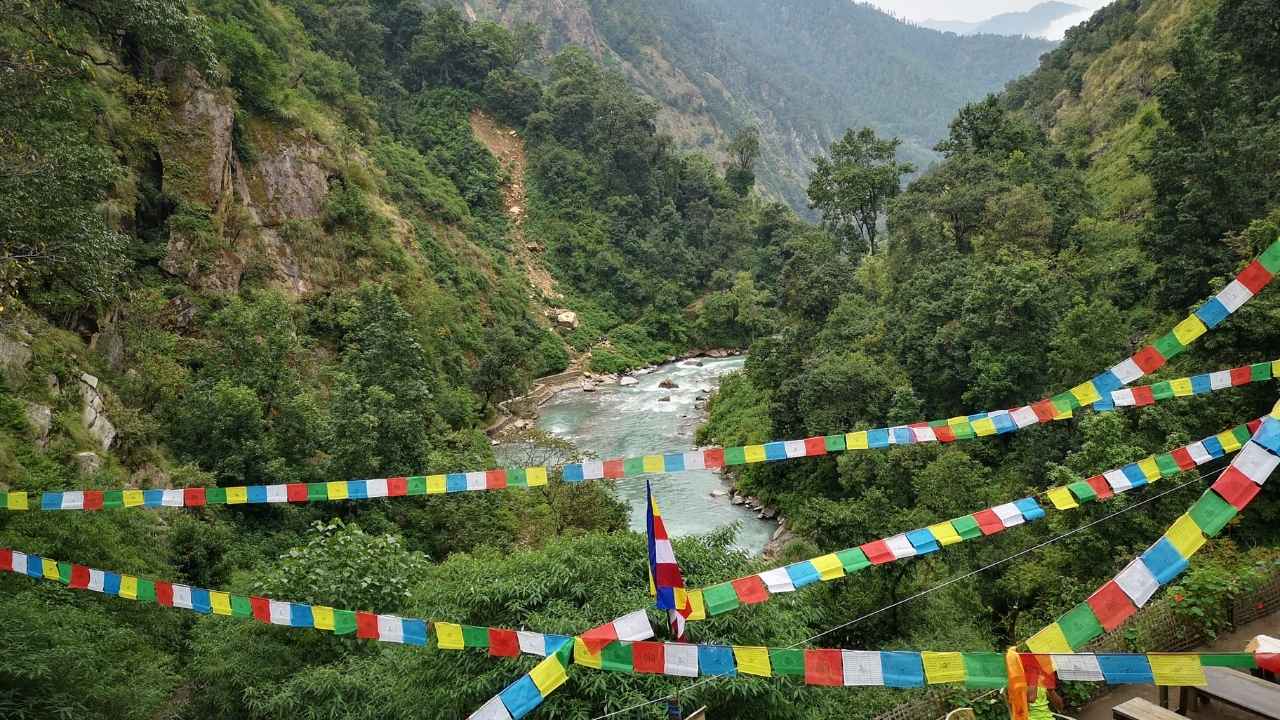
Walk through bamboo, oak, and rhododendron forests in the lower valley before the trail opens into alpine terrain higher up.
The climb from Cholang Pati through Lauribina toward Gosainkunda is one of the highest sections of the trek, with the forest gradually disappearing as you move into open mountain terrain.
Reach the sacred Gosainkunda Lake, surrounded by rocky slopes and several smaller alpine lakes. The lake is an important pilgrimage site for both Hindus and Buddhists.
This 14-day route combines two of the best short treks near Kathmandu into one trip: the Langtang Valley, and the holy lakes at Gosainkunda. We drive to Syabrubesi, walk up through Lama Hotel into Langtang Village and Kyanjin Gompa, then cross west over Sing Gompa to the lakes before dropping back down to Dhunche for the drive out. Below is the daily route, altitudes, and walking times, along with the advice I give my own groups on the trail.
Our USD 999 price applies to both group and private treks because the main trekking services and costs remain the same. Both options include the same accommodation, meals, permits, licensed guide, porter, and transportation. The difference is how you travel, not what is included. With a group trek, you share the experience with other travelers. With a private trek, you travel with your own friends or family and have more flexibility with dates and pace, without paying a higher package price.
Trek with like-minded adventurers. Departures every spring and autumn season.
14-day package, your own dates and pace.
Want something different from the standard itinerary? We can arrange it.
Travel insurance is not included in the package. Before your trek, you must purchase a policy that covers high-altitude trekking (up to at least 4,500 m) and emergency helicopter evacuation.
Yes, if you are happy walking several hours a day and want to see the sunrise from Poon Hill, walk through villages and forests, and reach Annapurna Base Camp on the same trek. You do not need climbing experience, but the route includes long stair...
You’ll stay in local teahouses along the route and a hotel in Kathmandu. Rooms are generally simple and shared, with fewer facilities at higher stops.
For more details, see our Langtang Valley & Gosainkunda Trek Accommodation & Food Guide.
Teahouses serve breakfast, lunch, and dinner throughout the trek. Common meals include dal bhat, momo, noodles, pasta, rice, potatoes, soup, eggs, pancakes, and bread.
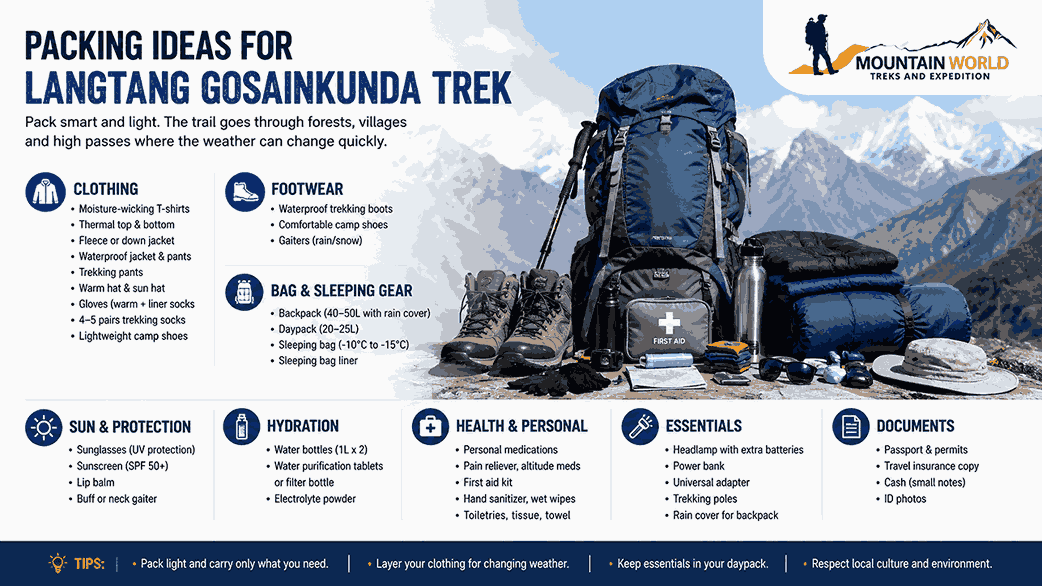
Pack layers for the lower valley and warmer gear for Gosainkunda. Bring a waterproof jacket, sturdy trekking boots, warm layers, sleeping bag, gloves, sunglasses, sunscreen, personal medication, trekking poles, and a water bottle.
Keep your main luggage in a trekking duffel and carry water, snacks, an extra layer, and personal items in your daypack. See our Langtang Valley & Gosainkunda Trek Packing List for the complete checklist.
The trek involves several long walking days, steep climbs and descents, rocky and uneven trails, and high-altitude sections around Gosainkunda. The highest point is Lauribina Pass at about 4,610 m, so good fitness and proper acclimatization are important. Check our Langtang Gosainkunda Trek Difficulty Guide for more detail.
Start training several weeks before the trek. Focus on building walking endurance and preparing your legs for repeated uphill and downhill sections. See our Langtang Gosainkunda Trek Training Guide for a detailed training plan.
March–May and September–November are the best months for this trek. June–August brings monsoon rain, while December–February is colder, with snow possible around Gosainkunda and the higher trail. See our Best Time for Langtang Valley & Gosainkunda Trek Guide for month-by-month conditions.
The forests turn green and rhododendrons bloom, with comfortable daytime temperatures and good mountain views.
Rain is common, particularly in the lower valley. Trails can become muddy, and leeches are common in the forest.
September can still have some rain. October and November usually bring dry trails, clear skies, and strong mountain views.
Lower parts of the trek can remain comfortable during the day, but nights are cold. Snowfall is possible at higher elevations.
Choosing between the two? Compare the route, altitude, scenery, culture, and walking experience side by side.
| Feature | Langtang Gosainkunda Trek | 14-Day, Cost, Itinerary & Guide | Annapurna Base Camp Trek via Poon Hill | 12 Days Plan & Cost |
|---|---|---|
| Duration | 14 Days Days | 12 Days Days |
| Highest Point | Gosainkunda – 4,380 m | Annapurna Base Camp – 4,130 m |
| Difficulty | Moderate | Moderate |
| Best For | High lakes, Buddhist heritage & quieter trails | Sunrise views, rhododendron forests, & high mountain ranges |
| Mountain Highlights | Langtang Lirung, Dorje Lakpa, Langshisha Ri and Changbu | Annapurna I, Annapurna South, Machhapuchhre, Dhaulagiri |
| Landscape | Forests, Tamang villages, alpine trails & high lakes | Rhododendron forests, villages, waterfalls & alpine valleys |
| Culture | Tamang & Tibetan Buddhist heritage | Gurung & Magar culture |
| Crowds | Moderate | Generally quieter throughout the trek |
| Trek Experience | Longer route with more time at higher elevations | Busy throughout the trek, especially in peak season |
Gosainkunda reaches 4,380m, and the trek combines the forested Langtang Valley with higher, more exposed terrain around the lake. These guides cover the practical details to check before the trek, including insurance, permits, weather, Gosainkunda, the Langtang Valley, and travelling solo.
Altitude sickness can occur as you gain elevation, particularly around the higher sections of the trek and Gosainkunda. Common early symptoms include headache, nausea, dizziness, tiredness, and poor sleep. Tell your guide if you feel unwell. If symptoms worsen, stop ascending and descend.
In an emergency: Your guide will assess the situation and arrange the next steps, including evacuation if needed. If medical treatment is required, our team can coordinate your return to Kathmandu and help arrange a suitable hospital or clinic.
For early signs, prevention, and what to do if symptoms appear, see our Langtang Gosainkunda Trek Altitude Sickness Guide.
The trek follows the Langtang Valley through Lama Hotel and Langtang Village to Kyanjin Gompa before returning toward the Gosainkunda route. From there, the trail climbs through Thulo Syabru and Lauribina to Gosainkunda Lake (4,380m). After the lake, the route descends through the highland terrain toward the lower valleys before returning to Kathmandu. The full guide covers the itinerary, best time to trek, difficulty, altitude, Langtang Valley, Gosainkunda Lake, Kyanjin Gompa, food, accommodation, gear, permits, transport, and cost.
Vineet
Singapore
Jenna
Singapore
Emily
Australia
The Langtang Gosaikunda Trek combines the Langtang Valley with the sacred Gosaikunda Lakes. Here are answers to the most frequently asked questions about the trek.
Langtang Gosainkunda Trek | 14-Day, Cost, Itinerary & Guide . 14 Days