Travel Guide
Everest Base Camp Trek Solo: Guide for Solo Trekkers
I often meet trekkers who want to go to Everest Base Camp trek solo on their own. Some want the freedom to…
S
Saligram
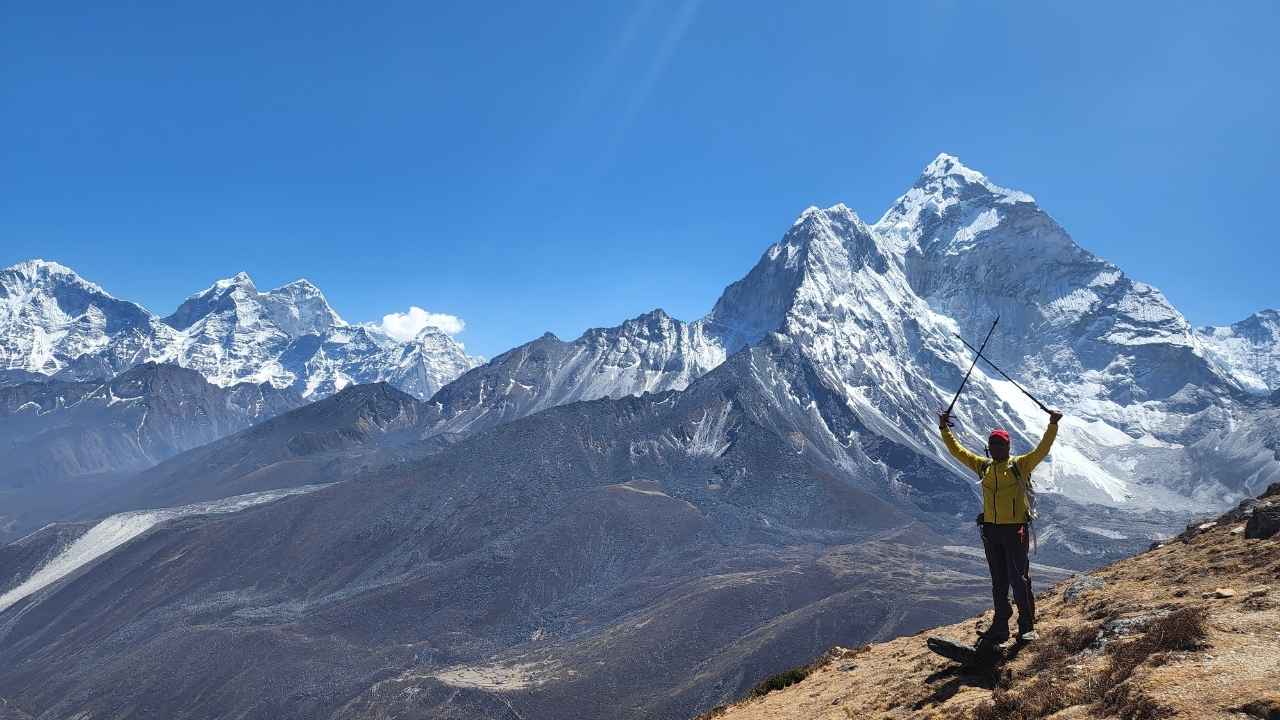
Tips, Wi-Fi, charging, showers, snacks and other personal expenses to plan for during your trek to Everest Base Camp.
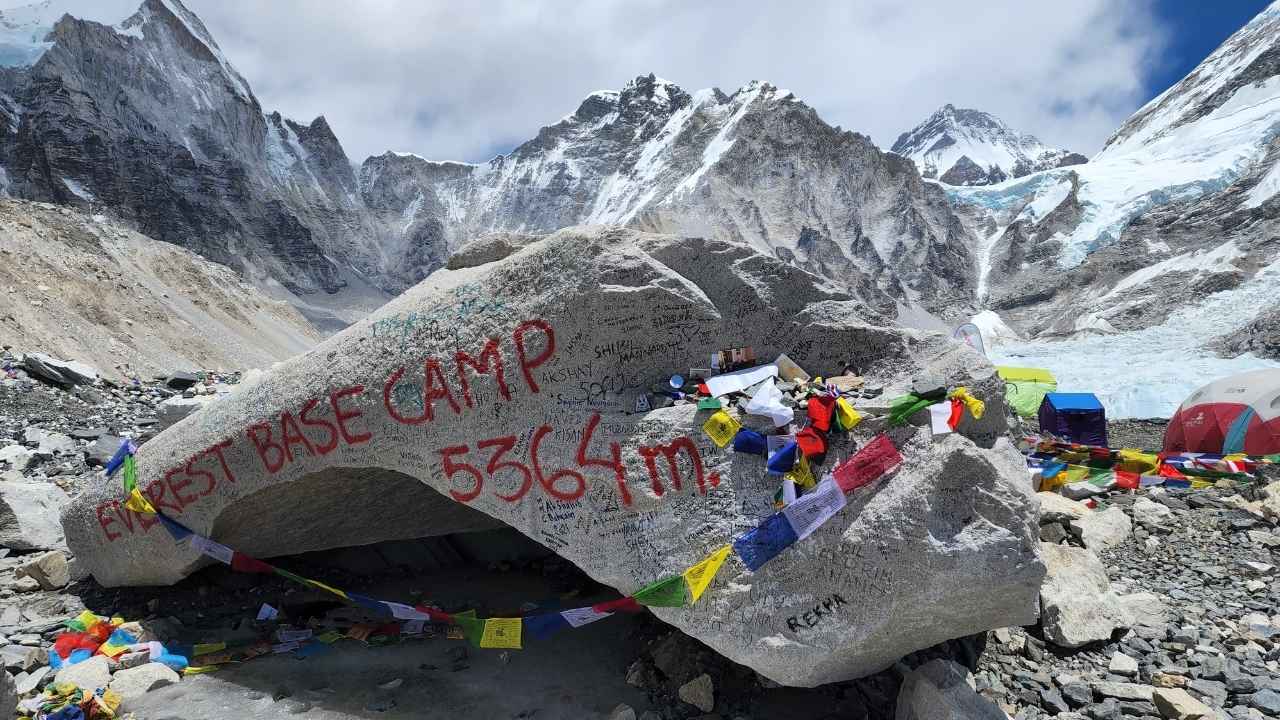
The price of an Everest Base Camp trek covers the main services in your package, but you will still have some personal expenses during the 14-day trek. Common extra costs include guide and porter tips, drinks, snacks, Wi-Fi, phone charging, hot showers, and small personal purchases.
For a 14-day private Everest Base Camp trek, I suggest preparing around USD 250–400 in extra cash when your main trekking services are already included. You may spend less, but keeping some money aside for an unexpected expense is better than reaching the upper Khumbu without enough cash.
Your trekking package normally covers the services listed in your itinerary, such as accommodation, meals, permits, guide services, porter services, and transportation. Personal expenses are separate and depend on what you choose to use or buy along the route.
| Extra expense | Amount to prepare |
| Guide and porter tips | USD 100–150+ |
| Drinks and snacks | USD 30–60 |
| Wi-Fi | USD 20–40 |
| Phone charging | USD 10–30 |
| Hot showers | USD 15–35 |
| Personal purchases | USD 10–30+ |
| Emergency reserve | USD 50–100 |
These are planning figures rather than fixed prices. Costs vary between villages and lodges, with many services becoming more expensive higher in the Khumbu.
For a 14-day package trek, USD 250–400 is a practical personal budget when accommodation, meals, and the main trekking services are already included. Your actual spending can be lower if you limit paid services and buy some personal supplies before leaving Kathmandu.
I would separate the money before starting the trek. Keep your daily spending money accessible while keeping USD 50–100 aside as an emergency reserve. You do not need to carry the entire amount in your wallet while walking each day.
For a private Everest Base Camp trek, I would prepare around USD 100–150 or more for guide and porter tips. The final amount is your decision and can depend on the number of staff, length of the trek, workload, and service provided.
I started working as a porter in 1996 and became a licensed guide in 2002, so I understand this work from both sides. A porter is not simply carrying a bag from one lodge to another. Porters deal with long walking days, heavy loads, cold weather, and the same high-altitude conditions as the rest of the trekking team.
A guide also has responsibilities beyond showing the route. We manage walking pace, timing, accommodation, altitude-related concerns, weather changes, and the needs of trekkers throughout the trek.
I prefer trekkers to think about tipping before the trek rather than making a decision on the last evening. There is no single amount that every trekker must give. The work done by the staff and the service you received should guide your decision.
Most trekkers give tips at the end of the trek after the trekking service is complete. If you have several porters or other staff members, you can give the money separately or ask your guide how it can be divided fairly.
Tips are normally not included in the trekking package. The package price pays for the services agreed before the trek, while a tip is additional money given directly to trekking staff.
Always check the inclusion and exclusion list from your trekking company before booking because package arrangements are not identical between companies.
Drinks and snacks are regular personal expenses on the Everest Base Camp trek. Tea, coffee, soft drinks, chocolate, biscuits, and other packaged snacks are available along the route, but prices increase as you move farther from the road and higher into the Khumbu.
A budget of around USD 30–60 is a reasonable starting point for moderate personal purchases. Trekkers who buy several drinks every day or regularly order extra food can spend more.
Kathmandu is a good place to buy snacks before leaving for the Everest region. Chocolate, energy bars, nuts, dried fruit, and other lightweight foods are easy to carry.
There is no need to fill your duffel with food for two weeks. Lodges and shops sell food and drinks along the route, so buy enough for the walking days when you want something extra and keep the load manageable.
Drinking water is another regular expense unless your package specifically includes it. Bottled water is available in the villages, but the price increases at higher elevations because supplies have to be transported into the mountains.
A reusable bottle with a suitable water-treatment method can reduce both your spending and the amount of plastic you use. Depending on your preference, you can use purification tablets, drops or a reliable filter.
Wi-Fi is available in many trekking lodges and is generally paid separately. For occasional use during the trek, I would allow around USD 20–40.
Namche Bazaar has more options for getting online than the higher villages. If you need important documents, maps, music, or other files, download them before leaving Kathmandu or Namche rather than depending on a connection higher up.
Namche is one of the easier places on the route to get online. Many hotels, cafés, and lodges provide Wi-Fi, and mobile data can also be useful.
If you need to send important messages, upload documents, or make internet calls, Namche is a sensible place to take care of those tasks before continuing higher.
Wi-Fi is available in both Tengboche and Dingboche, although the service can be slower than in Namche. Availability and prices depend on the lodge and the service available at the time.
I would not plan important online work around the connection at these elevations. Have your essential files available offline before you leave Namche.
Paid internet may be available at lodges in Lobuche and Gorak Shep, but the connection can be limited. At this stage, I treat internet as an extra service rather than something I need to depend on.
For the walk towards Everest Base Camp, have your maps, documents, and other essential files stored on your phone before reaching these villages.
There is no normal lodge Wi-Fi service at Everest Base Camp itself. Your phone may also have limited or no useful connection depending on the network and location.
For the walk to Base Camp, I recommend having everything you need on your phone available offline rather than planning to use the internet there.
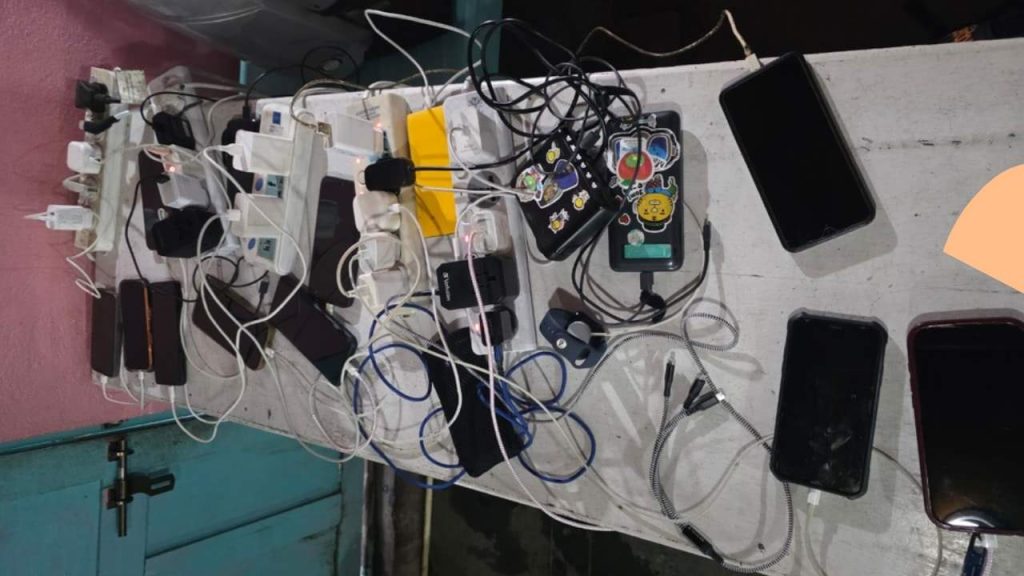
Charging your phone, camera, or power bank is usually a paid service in trekking lodges. A budget of around USD 10–30 is reasonable for normal charging needs, although prices can be higher in upper villages.
For a normal EBC trek, I recommend a 20,000 mAh power bank and a spare charging cable. Charge your phone and power bank whenever electricity is available rather than waiting until the battery is nearly empty.
Cold temperatures can reduce battery performance. If you are carrying a camera, bring spare batteries where possible and keep them protected from the cold.
A spare charging cable is also worth carrying. A cable that stops working in Kathmandu is easy to replace. A cable that stops working near Gorak Shep is a different problem.
Hot showers are optional and normally cost extra. If you take several showers during the trek, allow around USD 15–35.
Prices generally increase higher on the route. Many trekkers take fewer hot showers in the upper villages and use wet wipes or a small wash instead, particularly when temperatures are low.
Laundry is not essential for most trekkers. Pack enough base layers and socks for the route so you are not dependent on finding a laundry service.
Some lodges offer laundry for an additional charge, but drying clothes can take longer at higher elevations. For a 14-day trek, I prefer carrying enough clothing to manage without regular laundry.
Some lodges may provide extra blankets, but I would not make them part of your main sleeping plan. A suitable sleeping bag is more useful for cold nights at higher elevations.
Check your sleeping bag’s temperature rating before the trek rather than relying on extra blankets after you arrive.
Souvenirs are completely optional. Namche Bazaar and other villages have shops selling clothing, handicrafts, prayer-related items, and Everest-themed products.
If you want to buy gifts, keep a separate amount for shopping instead of taking money from the cash you have set aside for daily expenses.
The exact inclusions depend on your trekking company and package. A full package commonly covers the main trekking services, while personal services and purchases remain separate.
| Usually included | Usually paid personally |
| Teahouse accommodation | Wi-Fi |
| Meals listed in the itinerary | Phone charging |
| Trekking permits | Hot showers |
| Licensed guide | Extra drinks |
| Porter service | Snacks |
| Listed transportation | Souvenirs |
| Airport services when listed | Tips |
| Other stated services | Personal purchases |
Never assume that an expense is included simply because another trekking company includes it. Check the actual package details before making your final payment.
Keep a copy of your itinerary and inclusion list on your phone. This makes it easier to check whether accommodation, meals, transportation, or another service has already been paid for.
If a lodge, driver, or another service provider asks for an unexpected payment, check with your guide or trekking company before paying.
Kathmandu is the easiest place to arrange your trekking cash. Exchange your foreign currency into Nepali rupees before leaving for the Everest region.
Namche Bazaar has ATM facilities, but I would not make an ATM withdrawal there as part of my main cash plan. Technical problems, network issues, or cash shortages can leave you without access when you need it.
Nepali rupees are the most practical currency for everyday spending on the trek. Use them for tea, snacks, showers, charging, Wi-Fi, and other small purchases.
Exchange your foreign currency in Kathmandu before the trek and carry some smaller denominations. A small lodge or shop may not have enough change for a large note.
A credit card can be useful as a backup, particularly in Kathmandu and larger trekking villages. I would not use it as my only payment method in the Khumbu.
Cash remains the practical option for small purchases and services along the trekking route.
I recommend keeping USD 50–100 or the equivalent in Nepali rupees separate from your normal spending money.
This money is for something you did not plan for, such as an unexpected night in a village, additional transportation, replacing an essential item, or another personal expense.
Weather and operational problems can affect flights between Kathmandu or Ramechhap and Lukla. A delay can sometimes create additional accommodation, meal, or transportation costs depending on the circumstances and your arrangements.
If your flight is delayed, contact your trekking company before paying for new services. Your guide or company representative can explain what has been arranged and which expenses you may need to cover personally.
Emergency evacuation should be covered by suitable travel insurance, subject to the conditions of your policy. Your insurance should specifically cover high-altitude trekking and emergency evacuation at the altitude of your trek.
For Everest Base Camp, check the altitude limit carefully. Do not assume that ordinary travel insurance automatically covers a high-altitude trek and evacuation.
Keep your insurance details accessible during the trek so they can be found quickly if needed.
Bring your personal medication from home and keep it somewhere you can access easily during the trek. Do not depend on finding a specific medicine in a high-altitude village.
Carry enough for the complete trip and keep your prescription or medication information available if required.
Kathmandu is the easiest place to buy the small personal items you may need before entering the Everest region. This includes snacks, toiletries, batteries, charging cables, water-treatment supplies, and other personal items.
Buying these things before the trek gives you more choice and reduces the need to purchase them at higher prices in the mountains.
Alcohol is available in some trekking lodges, but I do not recommend making it part of your regular trekking plan. At high altitude, your body is already working harder, and drinking can also add unnecessary cost to your trip.
If you choose to drink, keep your consumption low as you move higher and remember that alcoholic drinks add to your personal budget.
You can keep personal spending under control by deciding before the trek which paid services you actually want. Buying some snacks in Kathmandu, carrying a reusable bottle, using a power bank, limiting paid Wi-Fi, and taking fewer hot showers can reduce your total.
Small purchases can add up over two weeks. Check your spending every few days so you know how much of your personal budget remains.
I arrange my cash in Kathmandu before leaving for the trek. I keep the money for tips separate, carry enough Nepali rupees for everyday purchases, and keep an emergency reserve that I do not plan to spend.
I also carry a card as a backup, but I do not depend on it for purchases in the upper Khumbu. Most of the small expenses on the trek are easier to handle with Nepali rupees.
I have spent many years on trekking routes in Nepal, first carrying loads as a porter and later working as a guide. From that experience, I know how easy it is to focus on the main trekking price and forget about the small expenses that appear during the trek.
For a 14-day Everest Base Camp trek, I would prepare my personal spending money before leaving Kathmandu. Keep your tip money separate, carry Nepali rupees for daily purchases, and leave USD 50–100 untouched as an emergency reserve.
Know what your package already covers and decide before the trek which extras you are likely to use. That gives you a clear budget before you leave Kathmandu and avoids having to make unnecessary purchases in the upper Khumbu.
Connect with an expert - real trek leaders in Kathmandu, free advice, no pressure.
I often meet trekkers who want to go to Everest Base Camp trek solo on their own. Some want the freedom to…
Saligram
An Everest Base Camp Trek with Family requires more planning than trekking with a group of adults, but it can be done…
Saligram
What trekkers should know about mobile data, Wi-Fi, charging, and phone batteries in the Khumbu. You can stay connected during the Everest…
Saligram
Get quick answers about extra expenses, guide and porter tips, drinks, snacks, Wi-Fi, charging, and other personal costs on the Everest Base Camp Trek.
For a 14-day package trek, around USD 250–400 is a practical amount to prepare for tips and personal expenses. Your actual spending can be lower or higher depending on what you use and buy.
Usually not. Tips are normally treated as a personal payment to the guide, porter, and other trekking staff after the service.
There is no single fixed amount for every trek. Consider the length of the trek, number of staff, workload, and quality of service when deciding the amount.
Consider the porter’s workload, length of the trek, and service provided when deciding the amount. You can give porter tips separately from the guide’s tip.
Most trekkers give tips at the end of the trek after the trekking service is complete. If several staff members are involved, your guide can help explain how the money can be divided.
Around USD 30–60 is a reasonable starting budget for moderate personal purchases. Buying some snacks in Kathmandu can reduce your spending on the trail.
Wi-Fi is generally a paid service, and prices vary between villages and lodges. Allow around USD 20–40 if you plan to use it occasionally.
Charging is usually paid separately for phones, cameras, and power banks. Around USD 10–30 is a useful planning range for normal charging needs.
Hot showers are optional and usually become more expensive at higher elevations. Allow around USD 15–35 if you plan to take several showers.
ATMs are available in Namche Bazaar, but I recommend arranging most of your trekking cash in Kathmandu rather than depending on an ATM in the mountains.
Nepali rupees are best for everyday purchases on the trail. Exchange your foreign currency in Kathmandu and carry smaller denominations for daily spending.
Wi-Fi is generally a paid service, and prices vary between villages and lodges. Allow around USD 20–40 if you plan to use it occasionally.
Charging is usually paid separately for phones, cameras, and power banks. Around USD 10–30 is a useful planning range for normal charging needs.
Hot showers are optional and usually become more expensive at higher elevations. Allow around USD 15–35 if you plan to take several showers.
ATMs are available in Namche Bazaar, but I recommend arranging most of your trekking cash in Kathmandu rather than depending on an ATM in the mountains.
Nepali rupees are best for everyday purchases on the trail. Exchange your foreign currency in Kathmandu and carry smaller denominations for daily spending.
If your trekking package includes accommodation and meals, you normally do not pay for them again. Check your package inclusions because arrangements differ between companies.
This depends on your package. If water is not included, you will need money for bottled, boiled, or treated drinking water.
Usually yes. Wi-Fi in trekking lodges is generally an additional personal expense.
Usually yes. Many lodges charge separately for charging phones, cameras, and power banks.
Yes. Keep a separate emergency reserve so an unexpected expense does not affect your normal daily budget.
That is fine. It is better to return to Kathmandu with some money left than to run short in the upper Khumbu.
Still have questions? Our team responds within 24 hours.
Inquire Now.


