Annapurna
Annapurna Base Camp Trek Difficulty: How Hard Is It?
When trekkers ask me about the Annapurna Base Camp trek difficulty, I usually tell them not to worry too much about the…
S
Saligram
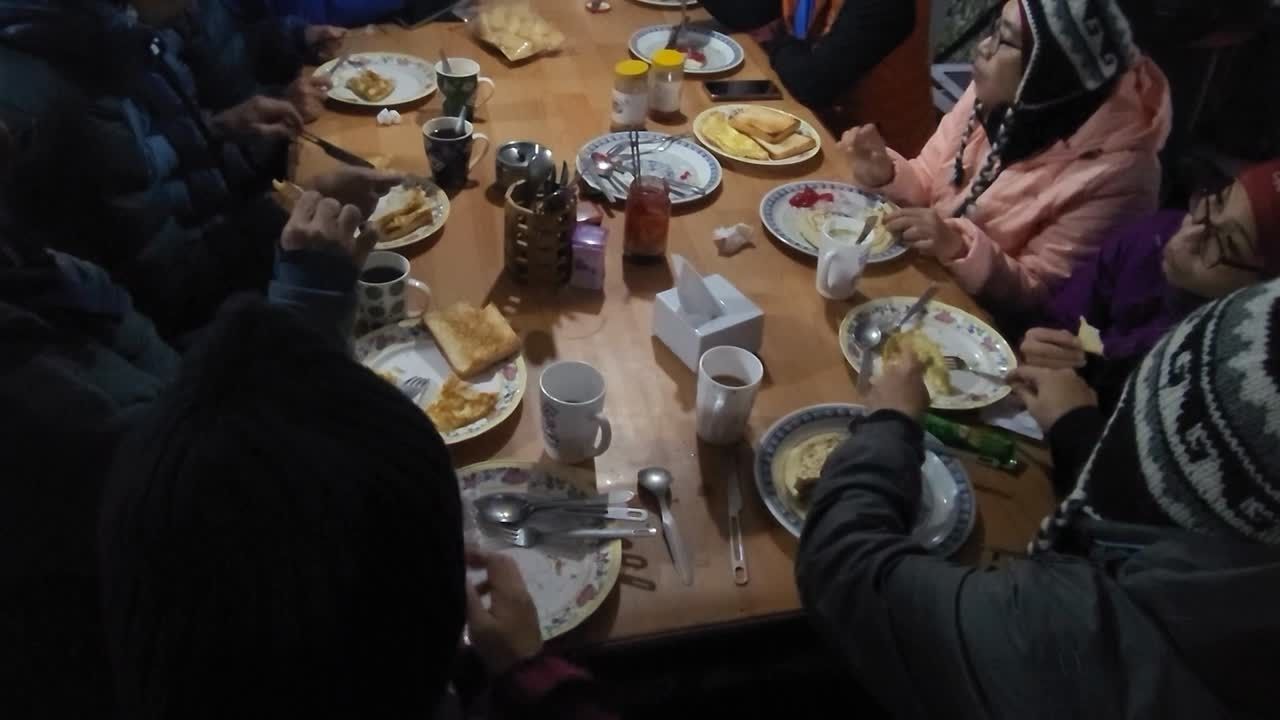
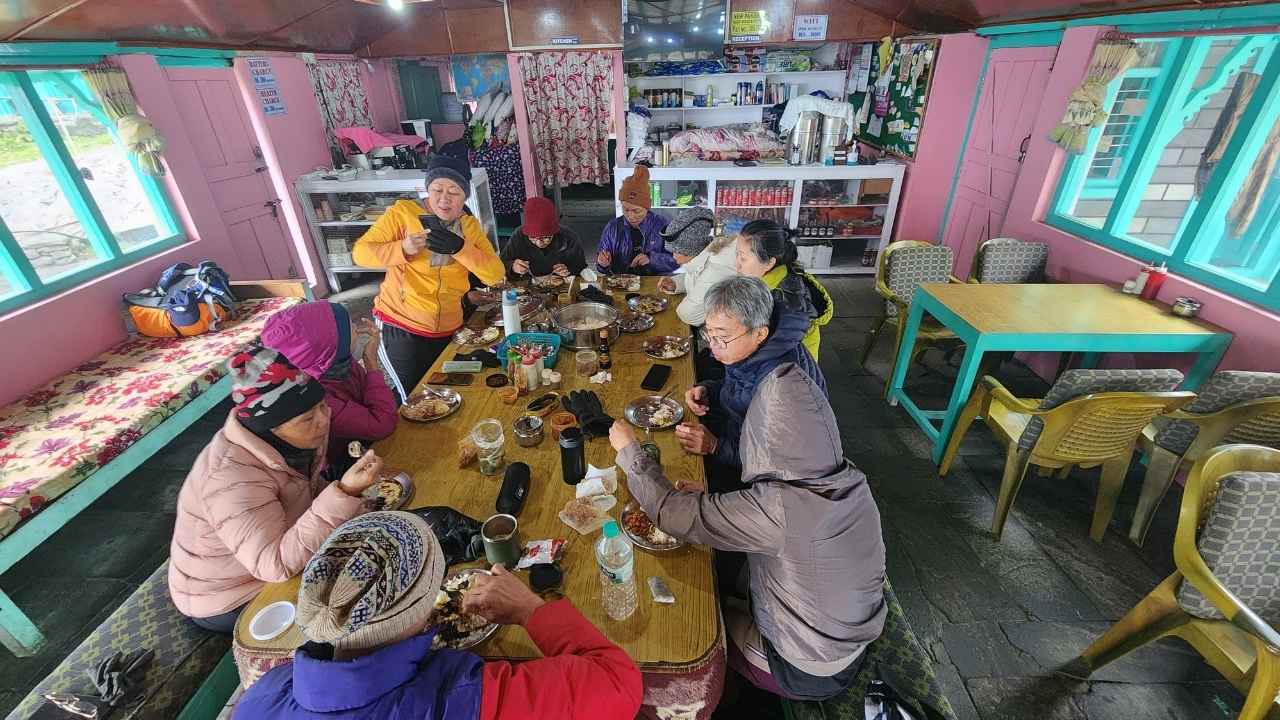
Yes, you can eat well on the Annapurna Base Camp Trek without carrying food from Kathmandu or Pokhara. Annapurna Base Camp Trek Food includes breakfast, lunch and dinner at teahouses, with local Nepali dishes, familiar international meals, snacks and hot drinks available along the route. The menu is wider in the lower villages and becomes more limited as you get closer to Annapurna Base Camp, but you can still get hot, filling meals and drinks throughout the trek.
I first trekked to Annapurna Base Camp in 1996 as a porter. At that time, it was mainly a camping trek, so we carried food, tents and kitchen equipment while a cooking crew prepared meals along the trail. There were very few teahouses compared with today. As more teahouses opened, the route gradually changed into a full teahouse trek, and today you can walk to ABC without camping and have your meals and drinks prepared along the way.
Teahouses along the standard route provide breakfast, lunch, dinner, hot drinks and snacks. Common meals include dal bhat, fried rice, noodles, pasta, pizza, momos, thukpa, soups, potatoes and eggs. Vegetarian food is widely available, while vegan, gluten-free and serious allergy requirements need to be discussed with the teahouse staff before ordering.
The food is simple rather than fancy, but that is not usually a problem after several hours of walking. A hot plate of dal bhat, noodles or fried rice can be exactly what you want at the end of a long day.
Dal bhat is one of the most common meals on the Annapurna Base Camp route. A typical plate comes with rice, lentil soup, vegetables, pickles and sometimes additional side dishes. It is filling and familiar to most trekkers, which is one reason it remains a popular choice during a long day in the mountains.
Fried rice and noodles are also available at most teahouses. Depending on the lodge, you may find vegetable, egg or other versions, making them an easy alternative when you want something different from dal bhat.
Pasta is available at many teahouses, particularly in the lower and middle sections of the trek. Common choices include pasta with tomato sauce, vegetables or cheese. Some teahouses also prepare pizza, although the size, toppings and preparation vary between lodges, so do not expect the same style of pizza you would get in a city restaurant.
Pizza can be enjoyable after a day on the trail, but I would not plan your trek around finding a particular type of pizza or pasta. The higher you go, the more important it becomes to choose from what is available at the lodge.
Momos are Nepali dumplings and a popular choice on the trail. Vegetable momos are widely available, while other fillings depend on the teahouse and the ingredients available there. They make a good snack or light meal when you do not want a large plate of rice.
Thukpa is a noodle soup that is particularly good on a cold day, especially at higher elevations. Spring rolls can also be found at some lower teahouses, although they are not available at every lodge.
Vegetable soup, noodle soup and other simple soups are common throughout the route. Depending on the lodge, you may also find Tibetan bread, toast or chapati. Potatoes can be boiled, fried or cooked with vegetables and are another simple meal or side dish.
Garlic soup is also widely available. Many trekkers order it because it is warm and easy to eat, but it should not be considered a treatment for altitude sickness.
A normal trekking day starts with breakfast at the teahouse before you begin walking. Most trekkers choose something such as eggs with toast, porridge, pancakes or Tibetan bread, together with tea or coffee. The choice depends on the individual, but breakfast gives you something to work with before the day’s walking begins.
During the morning, you may stop at a teahouse or small shop for a hot drink or snack, particularly on a longer walking day. A small chocolate bar, nuts, dried fruit or an energy bar can be useful between meals.
Lunch is usually taken at a teahouse along the trail rather than at the lodge where you slept. This gives you a chance to rest, eat something hot and refill your water before continuing. Depending on the day’s route, lunch may be dal bhat, noodles, fried rice, pasta, momos or another dish available at that particular teahouse.
Dinner is served at your overnight lodge. After several hours of walking, most trekkers are ready for a proper meal, and a hot plate of dal bhat, noodles, rice or another available dish is usually enough to finish the day comfortably.
For a day-by-day look at walking distances, overnight stops and meal breaks, see our Annapurna Base Camp Trek Itinerary.
Breakfast menus are usually more varied than trekkers expect. Eggs can be prepared in several ways, while porridge, pancakes, Tibetan bread, toast and potatoes are also common choices. Tea and coffee are available with most breakfasts.
Eggs are a useful choice if you prefer a more substantial breakfast, while porridge can be easier for trekkers who want something lighter before walking. Tibetan bread is heavier and works well for people who prefer a more filling start.
You can also combine items depending on your appetite. On shorter walking days, a smaller breakfast may be enough, while a longer day with steep climbs calls for something more substantial.
Lunch is usually a relaxed stop rather than something you carry in your backpack. The guide or trekking group normally chooses a teahouse along the day’s route where everyone can sit down, order food and take a break from walking.
The choice of lunch depends on the location and the day’s menu. Dal bhat is useful when you want a complete meal, while noodles, fried rice or momos can be easier if you want something smaller.
Lunch timing can also change with the route. On a long walking day, you may reach the lunch stop later than expected because of steep sections or slow progress. Your guide can help choose a suitable place rather than trying to follow a fixed meal time.
There is no single breakfast that is right for everyone. Some trekkers prefer eggs and toast, while others feel better after porridge, pancakes or potatoes. The main point is to choose something you can comfortably digest before several hours of walking.
On a long trekking day, I would not recommend starting with only a cup of tea or coffee and expecting to manage until lunch. The Annapurna Base Camp route includes steep sections, stone steps and significant elevation gain, so having some food before leaving the teahouse makes the day easier.
The ABC route gives you a good chance to try everyday Nepali food rather than relying entirely on international dishes. Dal bhat is the most obvious choice, but vegetable curries, potatoes, soups, pickles and different types of bread also appear on menus.
Momos are another food worth trying if you have not eaten them before coming to Nepal. They are usually served with a dipping sauce and can be ordered as a snack or light meal.
Thukpa is another good option during colder weather. It is a noodle soup and can be particularly welcome after walking through rain or cold conditions.
Trying local food also gives you some variety during a longer trek. You may enjoy familiar pasta or pizza, but eating Nepali meals during the trip is part of experiencing the food culture of the region.
Around Deurali, Machhapuchhre Base Camp and Annapurna Base Camp, the menu is generally shorter than in the lower villages. Food and cooking supplies have to be transported farther into the mountains, so some ingredients are more difficult and expensive to bring to the upper lodges.
Hot meals are still available, but expect a more basic selection. At the highest lodges, choose from what is available rather than expecting the same variety you may find in Pokhara or the lower villages.
If you are concerned about how your body handles the higher sections, our Annapurna Base Camp Trek Difficulty Guide explains the walking and altitude challenges in more detail.
Prices vary between teahouses and seasons. Higher lodges generally charge more because supplies have to be transported farther along the trail. The following figures give you a general idea of what you may pay, although actual prices can change between lodges and seasons.
| Food or Drink | Lower Sections | Higher Sections |
| Main course meal, including dal bhat | NPR 500–700 | NPR 900–1,200 |
| Black tea | NPR 100–200 | NPR 220–300 |
| Drinking water, 1 litre | NPR 120–200 | NPR 200–300 |
| Momos, one plate | NPR 400–600 | NPR 600–800 |
| Chocolate bar | NPR 200–550 | NPR 350–500 |
A food and drink budget of around NPR 2,500–4,500 per person per day is a reasonable amount to plan for, including meals, hot drinks, snacks and drinking water. Your actual spending will depend on what you order and how many additional drinks or snacks you buy.
When you see higher prices at the upper teahouses, remember that the food has travelled much farther than it has in Kathmandu or Pokhara. There are no supermarkets at Annapurna Base Camp, and supplies have to reach the mountain lodges through a combination of road transport and porters or local transport from the roadhead.
This affects everything from rice and cooking oil to drinks, chocolate and other packaged items. Transportation, altitude, limited storage and the difficulty of supplying the lodges all affect the final price.
Bottled mineral water is generally not available or is not commonly used on the upper ABC route. Buy boiled or properly filtered water from the teahouses rather than relying on untreated water along the trail.
Carry a reusable bottle and refill it each day. If you use untreated water, filter or purify it first, and do not drink water directly from taps, streams or springs.
For bottles, water treatment and other equipment to carry, see our Annapurna Base Camp Trek Packing List.
Chiya, or Nepali milk tea, is one of the most common drinks on the trail. You can also order black tea, ginger tea, lemon tea, hot lemon with honey, coffee and garlic soup. These are available at most teahouses, although the range depends on the size and location of the lodge.
Most smaller teahouses serve instant coffee. Larger lodges may offer more choices, but you should not expect café-style coffee at every stop.
Your fluid needs will change with the weather, walking time and altitude. Carry enough water for the section you are walking and refill at the teahouse or other reliable source rather than waiting until you are very thirsty.
Tea, soup and other drinks also contribute to your daily fluid intake, but plain water should remain part of your routine. On warmer lower sections, you may drink more because of sweating, while cold weather can make it easy to forget to drink.
Your guide can advise where to refill during each day’s walk, particularly on sections where teahouses are farther apart.
Vegetarian food is easy to find throughout the trek. Dal bhat, vegetable curry, rice, potatoes and vegetable soups are among the easiest choices, and most teahouses are used to serving vegetarian trekkers.
If you are vegan, tell the teahouse staff clearly and check whether a dish contains butter, milk, ghee or eggs. Gluten-free diets require more care because kitchens are shared and cross-contact with wheat products can occur. Anyone with a serious food allergy should explain the requirement to the guide and teahouse staff and carry suitable backup food.
If your dietary requirement is very strict, tell your trekking company before the trek rather than waiting until you arrive at the first teahouse. That gives your guide and the accommodation team time to understand what you need.
Meat dishes are available in some lower teahouses but become less common as you climb. Storage and transportation are more difficult at higher elevations, particularly when supplies have to be carried farther from the road.
For this reason, many trekkers choose simpler meals in the upper sections. If you want meat during the trek, check its availability before ordering rather than expecting the same choices at every teahouse.
You do not need to carry food for the whole trek. Shops and teahouses sell snacks along the route, although the selection and prices vary by location and become more limited as you get higher.
I recommend carrying a few familiar snacks such as chocolate, energy bars, dried fruit, biscuits, nuts or electrolyte powder. Do not fill your backpack with too many snacks before leaving Kathmandu because food is available along the route.
Some teahouses sell beer and other alcoholic drinks. I recommend avoiding alcohol while acclimatizing and especially at higher elevations because it can contribute to dehydration.
If you feel unwell at altitude, tell your guide rather than using alcohol to deal with the symptoms.
Mountain kitchens are small, and meals are often cooked after you order. When several trekking groups arrive at the same time, food can take longer, particularly during the busy spring and autumn seasons, so ordering dinner a little earlier can save you some waiting.
Most trekkers eat at the teahouse where they stay. There is normally no reason to carry full meals with you because you can order food at the lodge or at teahouses along the route during the walking day.
If you are travelling with a group, remember that everyone may order at the same time. During busy periods, the kitchen may need to prepare several meals together, so a little patience is normal. This is a mountain teahouse, not a city restaurant with several kitchen staff.
Teahouse kitchens are usually small and may have limited cooking space compared with restaurants in the cities. Ingredients are stored in the lodge and prepared as orders come in, while some basic items may already be prepared for the day’s meals.
The cooking methods are generally simple. Rice, noodles, vegetables, soups and curries can be prepared using gas or other available fuel, while some kitchens use traditional cooking methods alongside modern equipment.
Because supplies and kitchen space are limited, the menu does not mean every dish is prepared from a large stock of ingredients. A meal may take longer when several groups order at the same time, particularly in the evening.
Basic food hygiene is worth taking seriously during any multi-day trek. Wash or sanitize your hands before eating, particularly after handling trekking poles, railings or other equipment along the trail.
Choose food that is freshly cooked and served hot. Be more careful with foods that have been sitting out for a long time, particularly if you have a sensitive stomach.
Your drinking water deserves the same attention. Use boiled, filtered or properly treated water rather than drinking untreated water from natural sources.
During spring and autumn, most teahouses are operating and the usual food choices are available. These are also the busiest trekking seasons, so you may find more trekkers eating at the same lodges.
In winter and monsoon, some smaller lodges may close or offer a shorter menu. Weather can also affect the movement of supplies, so trekkers travelling outside the main seasons should confirm their planned overnight teahouses before starting.
For more information about seasonal conditions and when to go, see our Best Time for Annapurna Base Camp Trek guide.
Guides and porters normally eat the same basic meals available to trekkers at the teahouses. Dal bhat is a common choice because it is filling and provides a good meal after a long day of walking.
If you are booking an organized trek, ask whether meals for your guide and porters are included in the package. Different trekking companies structure their packages differently, so it is better to confirm this before the trek starts.
Stomach problems can happen on any trek. Choose freshly prepared food, maintain good hand hygiene and be careful with drinking water. If you have a sensitive stomach, stick with meals that you already know you can tolerate.
If you develop persistent vomiting, severe diarrhea or other significant symptoms during the trek, tell your guide and take the problem seriously rather than continuing as normal.
You do not need to avoid an entire category of food simply because you are trekking in the mountains. The better approach is to use common sense about freshness, preparation and your own tolerance.
If your stomach is sensitive, avoid experimenting with several unfamiliar foods on the same day. A meal that you know works well for you is often a better choice before a long walking day than something new.
Very rich or greasy meals may also feel uncomfortable before a steep climb. Save heavier foods for times when you know they will not affect your walking.
You do not need to carry unnecessary food for the ABC trek. Eat regularly, choose meals that suit you, and keep your backpack light.
If you are travelling with a guide, ask about the menu and prices at your overnight teahouse before ordering. After guiding in the Annapurna region for many years, I have found that simple food and enough fluids are all most trekkers need to get through the walking days comfortably.
The food has changed a lot since I first walked to ABC as a porter. There are now many more choices than we had during the camping days, but I still prefer a simple hot meal after a long day on the trail. You are walking through the mountains, so there is no need to make every meal complicated.
Here are answers to the food and drink questions trekkers ask most often before starting the Annapurna Base Camp Trek.
Yes. Teahouses at the upper end of the route provide basic hot meals and drinks, although the menu is smaller than in the lower villages.
Around NPR 2,500–4,500 per person per day is a reasonable food and drink budget, including meals, hot drinks, snacks and drinking water.
No. Your main meals are available along the route. A few familiar snacks are enough for most trekkers.
It is one of the most common meals on the route, although availability depends on the teahouse and the ingredients available that day.
Yes. Vegetarian meals are widely available throughout the trek.
Usually, yes. Tell the teahouse staff that you do not eat dairy, ghee or eggs and check the ingredients before ordering.
Rice-based meals may be suitable, but shared kitchens create a risk of cross-contact. Anyone with a serious allergy should plan ahead and explain the requirement clearly to the guide and teahouse staff.
Yes, particularly in lower villages. It becomes less common higher on the trail because storage and transportation are more difficult.
Bottled mineral water is generally not available or is not commonly used on the upper ABC route. Boiled or properly filtered water is the usual option.
No. Filter, purify or properly treat untreated water before drinking it.
Some teahouses sell alcohol, but it is better to avoid it while acclimatizing and at higher elevations.
Yes. Most teahouses have coffee, although smaller lodges generally serve instant coffee.
A few familiar snacks such as chocolate, energy bars, nuts or dried fruit are useful during the walking day.
Eat smaller meals if necessary and tell your guide if you feel unwell or develop symptoms of altitude sickness.
When trekkers ask me about the Annapurna Base Camp trek difficulty, I usually tell them not to worry too much about the…
Saligram
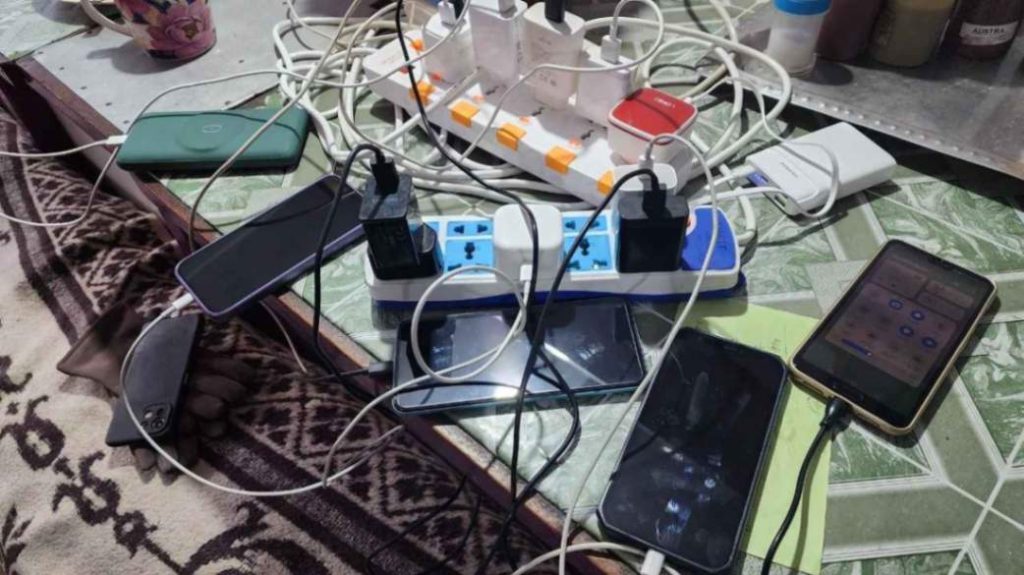
The Annapurna Base Camp Trek has hot showers, electricity, phone charging and Wi-Fi along the route, including at Annapurna Base Camp. Mobile…
Saligram
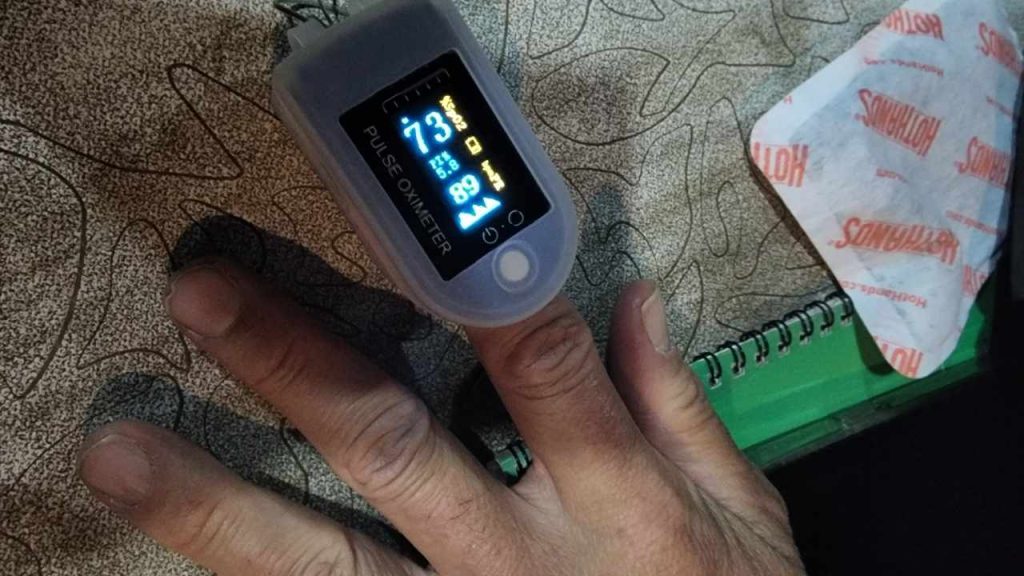
Altitude sickness can affect trekkers on the Annapurna Base Camp trek, especially as the trail climbs toward Machapuchare Base Camp at about…
Saligram


