On the Annapurna Base Camp trek, you stay in hotels in Kathmandu and Pokhara and in teahouses along the trekking route. Annapurna Base Camp trek accommodation on the trail is simple, but it gives you a proper bed, mattress, blanket and shelter after a long day of walking.
The standard ABC route is now a complete teahouse trek. You do not need to carry a tent, kitchen equipment or camping food. At each overnight stop, you can find a room, a place to eat and basic facilities for washing and charging your devices.
For most trekkers, accommodation is one of the easier parts of the ABC trek. The standard is basic rather than luxurious, and it becomes simpler as you gain altitude. Knowing what to expect from Annapurna Base Camp trek accommodation before you leave makes it easier to prepare the right equipment.
From Camping Trek to Teahouse Trek
I first went to Annapurna Base Camp in 1996 as a porter. At that time, the trek was very different from today. Much of the route was still a camping trek, so we carried tents, food, cooking equipment and other supplies for the group. A cooking team travelled with us and prepared meals at the camps.
From 1996 to 2000, while I was working as a porter on the Annapurna routes, more teahouses were being built in the villages. At first, they were very basic, but gradually trekkers had more places to sleep and eat along the trail.
As more teahouses were built, camping became less necessary. Today, the standard Annapurna Base Camp route is completely teahouse-based. You can finish your walking day, put your backpack in a room with a bed and mattress, sit in a dining room, order a hot meal and sleep indoors without carrying a tent.
Compared with the ABC trek I knew in the 1990s, today’s setup feels almost luxurious. It is still mountain accommodation, not a hotel, but having a bed, hot food, a shower at many stops and a dining room where you can sit in the evening is a major change from carrying camping equipment and sleeping in tents.
What Is Accommodation Like on the ABC Trek?
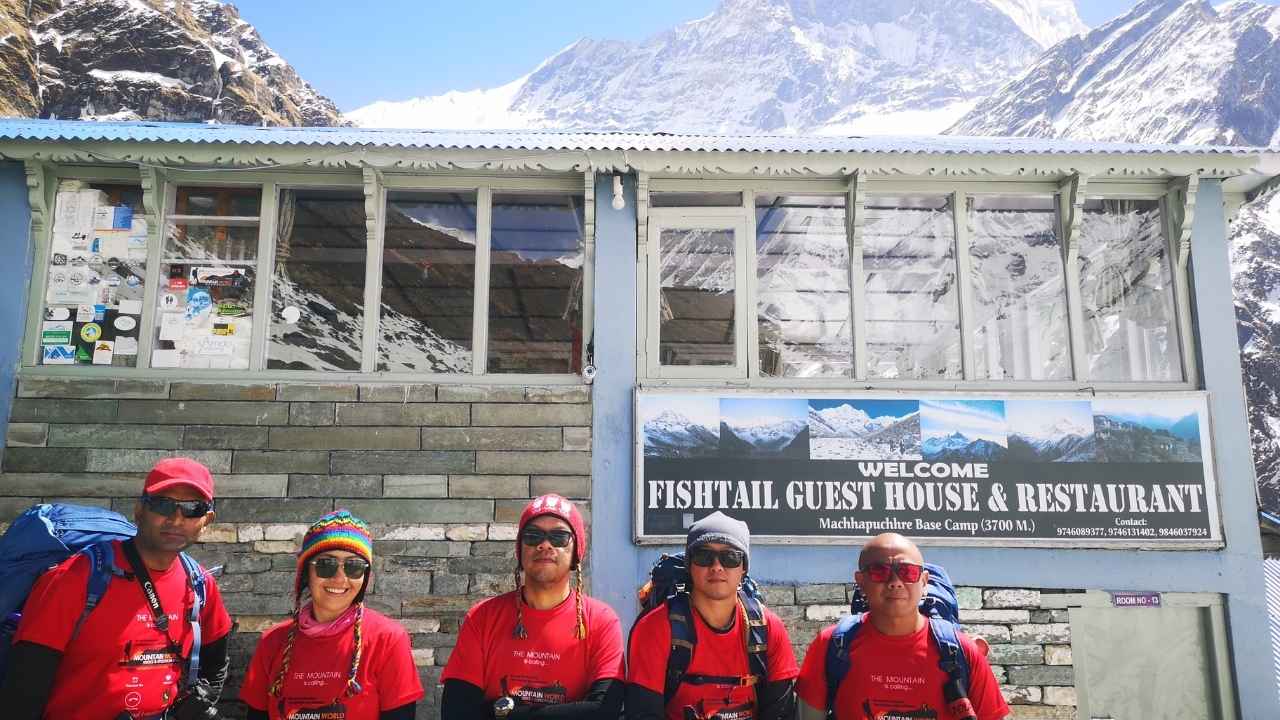
Teahouses are small mountain lodges, usually run by local families. At Chhomrong and lower villages, some lodges have more than one level, but after Chhomrong most teahouses are simple ground-floor buildings.
A typical lodge has several guest rooms, a dining area with a stove or heater, a kitchen and shared toilets. The exact layout changes from village to village. Higher on the route, the buildings become smaller and the facilities more basic.
Teahouses are not hotels. You should not expect room service, central heating or hotel-style facilities. What you get is a bed, food, shelter and the basic services needed for a mountain trek.
Accommodation and meals are usually provided by the same lodge. Some lodges offer a very low room price when trekkers eat their meals there.
The atmosphere also changes during the day. Trekkers normally spend most of the evening in the dining room rather than sitting in their bedrooms. This is where meals are served, the stove provides warmth and people usually sit together before going to bed.
What Is Inside a Teahouse Room?
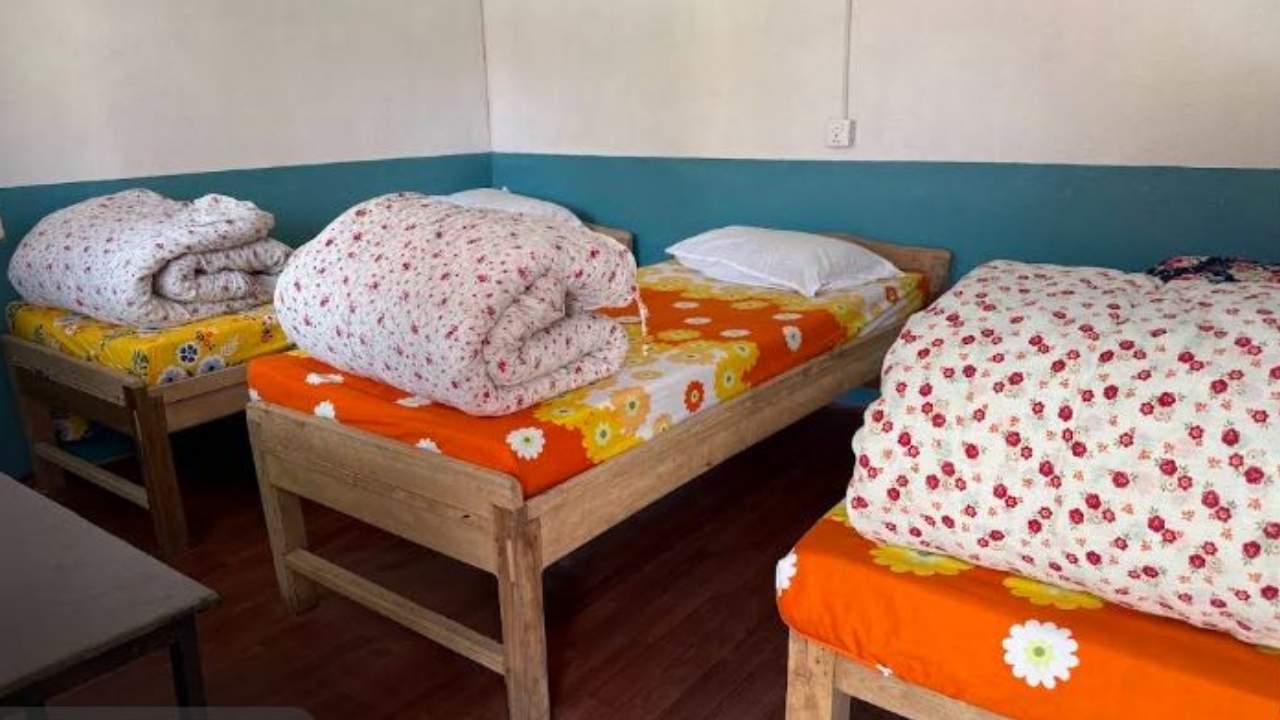
Twin rooms are the standard on the ABC route. Most have two single beds with a mattress, pillow and blanket.
Rooms are usually small and simply furnished. You may have a small table, shelf, hooks for clothing and a window. Walls can be thin, so you may hear people moving around or talking in nearby rooms.
Blankets are normally provided, but I recommend carrying a good sleeping bag, particularly for the higher sections of the trek.
Private rooms are available at some lower villages, but this depends on the lodge and season. During busy periods, sharing a twin room may be necessary.
You should also remember that a teahouse room is mainly for sleeping and keeping your belongings. It is not designed as a place to spend the whole day. Once you arrive, most trekkers put their things away, have a drink or meal in the dining room and prepare for the following morning.
Toilets and Showers
Most teahouses have shared toilets. Some larger lodges at lower elevations have attached toilets, but private bathrooms are not available at every stop.
After Chhomrong, bathroom facilities generally become simpler. At Deurali and Annapurna Base Camp, shared toilets are the normal arrangement and facilities can be very basic.
Hot showers are available at many teahouses, especially at lower and middle elevations. They normally cost extra, and availability depends on the lodge.
Solar-heated water is common, so the amount of hot water can depend on sunlight, weather and demand. At higher elevations, particularly around Deurali and ABC, you should not depend on having a hot shower every day.
Do Teahouses Provide Towels and Toiletries?
Do not expect hotel-style toiletries on the Annapurna Base Camp trek. Most teahouses do not routinely provide towels, shampoo, soap, toothpaste or other personal toiletries.
Bring your own small, quick-drying towel and basic toiletries. Some teahouses may sell simple items such as toilet paper, soap or shampoo, but the selection is limited and prices are usually higher on the upper trail.
A small towel is useful after a shower, while wet wipes are useful when a proper shower is not available.
Kathmandu Accommodation Before and After the Trek
Your ABC itinerary normally includes hotel accommodation in Kathmandu before or after the trek, depending on your international flight schedule.
Thamel is a common base because hotels, restaurants, trekking shops, money exchange services and other facilities are close by. You can choose from simple guesthouses to comfortable mid-range and higher-end hotels.
The night before the trek gives you time to check your equipment, organise your pack and rest. After returning from the mountains, a private bathroom, hot shower and proper bed are useful after several days on the trail.
Pokhara Accommodation
Pokhara is the usual starting or finishing point for the ABC trek. Most trekkers stay around Lakeside, where there are many hotels, restaurants, shops and transport services.
Accommodation ranges from budget guesthouses to higher-end hotels. Some properties have views toward Phewa Lake or the Annapurna range when the weather is clear.
Before the trek, Pokhara is convenient for checking your equipment and preparing your pack. After the trek, many trekkers stay an extra night before continuing their journey.
Teahouse Accommodation Along the ABC Route
| Overnight Stop |
Approx. Elevation |
Room Standard |
Toilet |
Hot Shower |
| Chhomrong |
2,170 m |
Good choice of lodges |
Shared, some attached |
Usually available |
| Bamboo |
2,310 m |
Simple twin rooms |
Mostly shared |
Available |
| Deurali |
3,230 m |
Basic |
Shared |
Limited |
| Annapurna Base Camp |
4,130 m |
Basic and cold |
Shared |
Very limited |
Chhomrong
Chhomrong is one of the larger villages on the ABC route, so there are more teahouses and better facilities than at the higher stops.
Some lodges have attached toilets and hot showers, and there is a wider choice of food. Independent trekkers also have more choice when selecting a lodge.
Because Chhomrong is a larger settlement, it is also a useful place to make sure you have everything you need before continuing higher into the valley.
Bamboo
Bamboo is a smaller settlement surrounded by forest. The lodges are simple, with twin rooms and shared toilets.
Many ABC itineraries pass through Bamboo on the way up and again on the descent, depending on the walking schedule.
The accommodation here is straightforward. You arrive after the day’s walk, have dinner, rest and continue the following morning.
Deurali
Deurali has fewer lodges and less choice than Chhomrong or Bamboo. Rooms are basic, and temperatures drop considerably at night.
Facilities are limited, and hot showers may not always be available. This is one of the stops where a warm sleeping bag becomes particularly important.
Because there are fewer lodges, independent trekkers should avoid arriving very late during the busiest months.
Annapurna Base Camp
Accommodation at Annapurna Base Camp is the most limited on the route. There are only a few lodges, so there is very little choice compared with Chhomrong.
Rooms are basic and nights can be very cold. The dining room is the main place to sit, eat and warm yourself.
Most trekkers stay at ABC to experience the early morning views of Annapurna I and the surrounding peaks. The accommodation is mainly a place to sleep before enjoying the mountain scenery.
Who Runs the Teahouses?
Most teahouses along the ABC route are locally owned and operated. Family members often manage the rooms, prepare meals, serve guests and maintain the lodge.
When you stay and eat at a local teahouse, your spending goes directly into the communities along the trekking route. The dining room also gives you a chance to meet local families, guides, porters and other trekkers.
Many of the people running these lodges live in the mountain communities and depend on trekking tourism for their income. The growth of teahouse accommodation has also made it possible for more trekkers to travel through the area without bringing a full camping operation.
How Much Does Accommodation Cost?
A basic teahouse room on the ABC route is generally inexpensive compared with hotel accommodation, but the exact price varies by lodge, location, season and whether you eat your meals at the same teahouse.
As a rough guide, trekkers can expect simple rooms to cost around USD 5–10 per night, with lower prices possible at some lodges when you take your meals there. Services such as hot showers, WiFi and charging are usually charged separately.
Prices can also change from one village to another, so ask the lodge for the current room price when you arrive.
The room itself is usually not the expensive part of staying in the mountains. Your total daily spending is more affected by meals, drinks, hot showers, charging, WiFi and other services.
WiFi, Electricity and Charging
Many teahouses have WiFi, but the connection can be slow or intermittent. It is generally fine for messages and basic internet use, but I would not depend on it for important work.
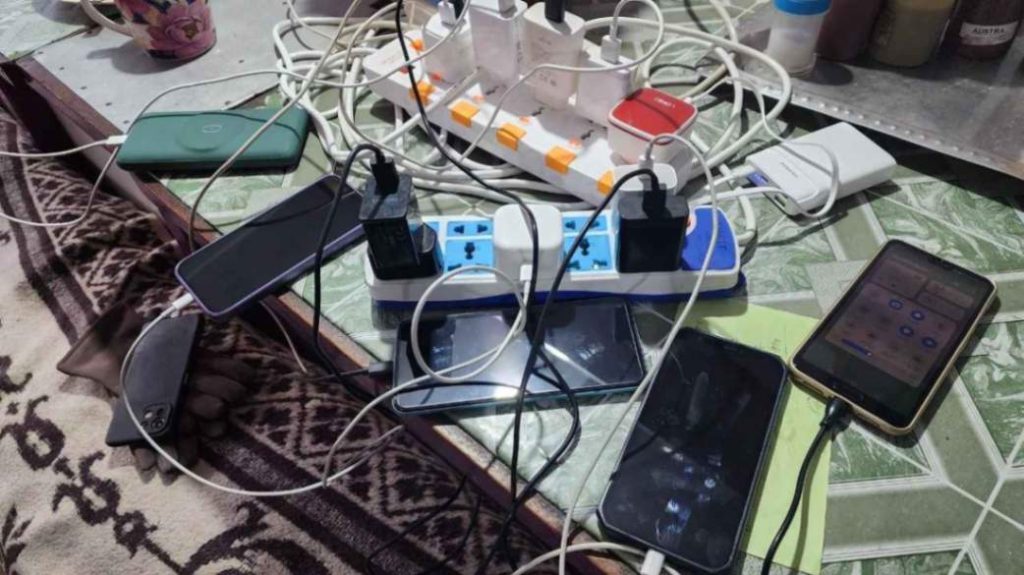
Electricity is available at many lodges for charging phones, cameras and power banks. Charging usually costs extra, and the price can increase higher on the trail. At some teahouses, charging points are in the dining area rather than inside the bedroom.
Carry a power bank and charge your devices whenever electricity is available. At higher elevations, having your own power bank is useful because charging options can be limited.
How Cold Are Teahouse Rooms?
Teahouse bedrooms are generally not heated. The dining room is where you will normally find a stove or heater in the evening.
The cold becomes more noticeable from Deurali upward. At Annapurna Base Camp, indoor temperatures can fall close to freezing depending on the weather and construction of the building.
A warm sleeping bag and dry clothes kept specifically for sleeping are more useful than expecting the room itself to be warm.
When Should You Reach the Teahouse?
Try to reach your overnight stop by the late afternoon rather than arriving after dark. This is particularly important during the busy months of April, May, October and November.
Arriving earlier gives you more time to find a room, settle your belongings, order food and rest before dinner. It also gives you more options if the first lodge you check is already full.
This becomes more important at higher stops such as Deurali and Annapurna Base Camp, where there are fewer lodges and less choice.
Your walking schedule should therefore take accommodation into account. On a busy trekking day, staying on the trail until late afternoon simply to walk a little farther may leave you with fewer choices for the night.
Can You Leave Extra Luggage at a Teahouse?
If your itinerary returns through the same village, you may sometimes be able to leave a small amount of luggage at a teahouse and continue with only what you need for the higher section.
This can be useful on routes where you pass through the same settlement again. Always confirm with the lodge or your guide before leaving anything behind, and keep passports, money, electronics and other valuables with you.
If you are travelling with Mountain World Treks, we can advise you on what to carry higher on the route and what can be left behind when the itinerary allows it.
What Should You Bring for Teahouse Nights?
You do not need camping equipment for the standard ABC teahouse trek. You do, however, need a few personal items that make mountain nights easier.
Bring a warm sleeping bag, especially for Deurali and Annapurna Base Camp. A headlamp is useful when walking around the lodge or using the bathroom at night.
Pack one set of dry clothes specifically for sleeping, including warm socks. Keep these separate from the clothes you use during the day so you have something dry to change into at night.
A small quick-drying towel, basic toiletries, wet wipes and toilet paper are also useful. A power bank is important if you need your phone or camera every day.
Do You Need to Book Teahouses in Advance?
During most of the year, trekkers can arrive at a village and find a room without making a reservation. The busiest periods are generally April, May, October and November, when popular lodges can fill early, especially at smaller stops such as Deurali and Annapurna Base Camp.
If you are trekking independently during peak season, starting your walking day early gives you more choice of accommodation.
If you trek with Mountain World Treks, we arrange your teahouse accommodation as part of your trip once your booking is confirmed. You do not need to worry about finding a room along the route.
What Happens When Teahouses Are Full?
This is mainly a peak-season problem, particularly in April, May, October and November. Popular teahouses can fill before the end of the afternoon, especially at smaller stops such as Deurali and Annapurna Base Camp.
If the regular rooms are full, the lodge owner may offer a dormitory-style room or arrange a place to sleep in the dining hall. They may put mattresses on the floor and make space for trekkers to sleep. It is basic, but when there are no rooms available, it can be the only option for the night.
This is more likely to happen if you are trekking independently without a guide or porter during the busiest periods. Starting your walking day early gives you a better chance of finding a regular room. If accommodation is full, a guide can check nearby teahouses and help arrange the best available option.
Practical Tips for Sleeping Well
- Carry a warm sleeping bag suitable for the altitude.
- Keep one complete set of dry clothes only for sleeping.
- Keep your sleeping bag dry inside your backpack.
- Carry earplugs if you are a light sleeper.
- Keep your phone, camera and valuables close to you.
- Carry a headlamp.
- Charge your power bank whenever electricity is available.
- Carry wet wipes for nights when a shower is not practical.
Final Advice from Saligram
I have seen the Annapurna Base Camp route change from a mostly camping trek to the complete teahouse trek it is today. When I was working as a porter in the 1990s, carrying camping equipment was part of the job. Today, trekkers can walk the same mountains with a much lighter pack and sleep in a bed every night.
The higher you go, the more basic the accommodation becomes. You should expect shared toilets, cold bedrooms and fewer choices at Deurali and ABC, but you still have a roof, a bed, food and a place to rest.
Bring a good sleeping bag, dry clothes for the night and a power bank. The teahouses provide the shelter and meals. Your job is to walk, eat, rest and be ready for the next day.
Annapurna Base Camp Trek Accommodation FAQs
What type of accommodation is available on the ABC trek?
You stay in hotels or guesthouses in Kathmandu and Pokhara and in teahouses along the trekking route. Trail rooms are normally twin rooms with simple beds, mattresses, pillows and blankets.
Can I get a private room?
Private rooms are available in some lower villages, but twin rooms are standard. During busy periods, sharing may be necessary.
How much does a teahouse room cost?
A basic room is generally around USD 5–10 per night, although the actual price varies by lodge, location and season. Some lodges offer lower room prices when you eat your meals there.
Do I need to book accommodation before starting the trek?
Usually not. During the main trekking seasons, popular lodges can fill quickly, particularly at smaller overnight stops. If you are travelling independently, starting your walking day early gives you more accommodation choices.
Are hot showers available?
Many teahouses offer hot showers, particularly at lower and middle elevations. They normally cost extra, and availability becomes less reliable higher on the route.
Is WiFi available?
Many teahouses have WiFi, but the connection can be slow or unreliable. Do not depend on it for important work.
Can I charge my phone and camera?
Charging is available at many lodges. You may have to pay separately, and sockets are sometimes in the dining area rather than the bedroom.
Do teahouses provide blankets?
Most teahouses provide blankets, but the thickness and condition vary. A sleeping bag is recommended, especially for Deurali and ABC.
Are bathrooms private?
Shared bathrooms are standard. Some lower-elevation lodges have attached toilets, but private bathrooms become less common higher on the route.
Can I choose which teahouse I stay in?
Usually, yes, when rooms are available. You have more choice at Chhomrong and less at Deurali and ABC.
What happens if the teahouses are full?
Your guide or lodge staff can check nearby teahouses. If all bedrooms are occupied, a lodge may provide a dormitory space or put mattresses in the dining area or another communal space for the night.
Is accommodation suitable for solo trekkers?
Yes. Solo trekkers use the same teahouses as groups. You may get a private room when occupancy is low, while busy periods can mean sharing.
Do I need to carry camping equipment?
No. The standard ABC route is a teahouse trek, so you do not need to carry a tent, cooking equipment or camping food. You only need your normal trekking equipment and personal items for staying in mountain lodges.