Pack for the conditions you will actually face on the trail. For most trekkers, an Annapurna Base Camp Trek Packing List should include reliable footwear, adjustable layers, rain protection, a warm sleeping bag, personal essentials and a light daypack.
The Annapurna Base Camp Trek takes you from warm lower valleys to a high mountain environment at 4,130 meters. It is a trekking route rather than a technical climbing expedition, but temperatures, rain, wind and trail conditions can change considerably as you gain altitude.
Your packing needs also change with the season. Spring and autumn call for flexible layers, winter needs stronger cold-weather protection, while monsoon puts more emphasis on keeping your clothes and equipment dry.
If you are still deciding whether the route suits your fitness level, see our Annapurna Base Camp Trek Difficulty Guide before buying your gear.
What You Actually Need for Annapurna Base Camp
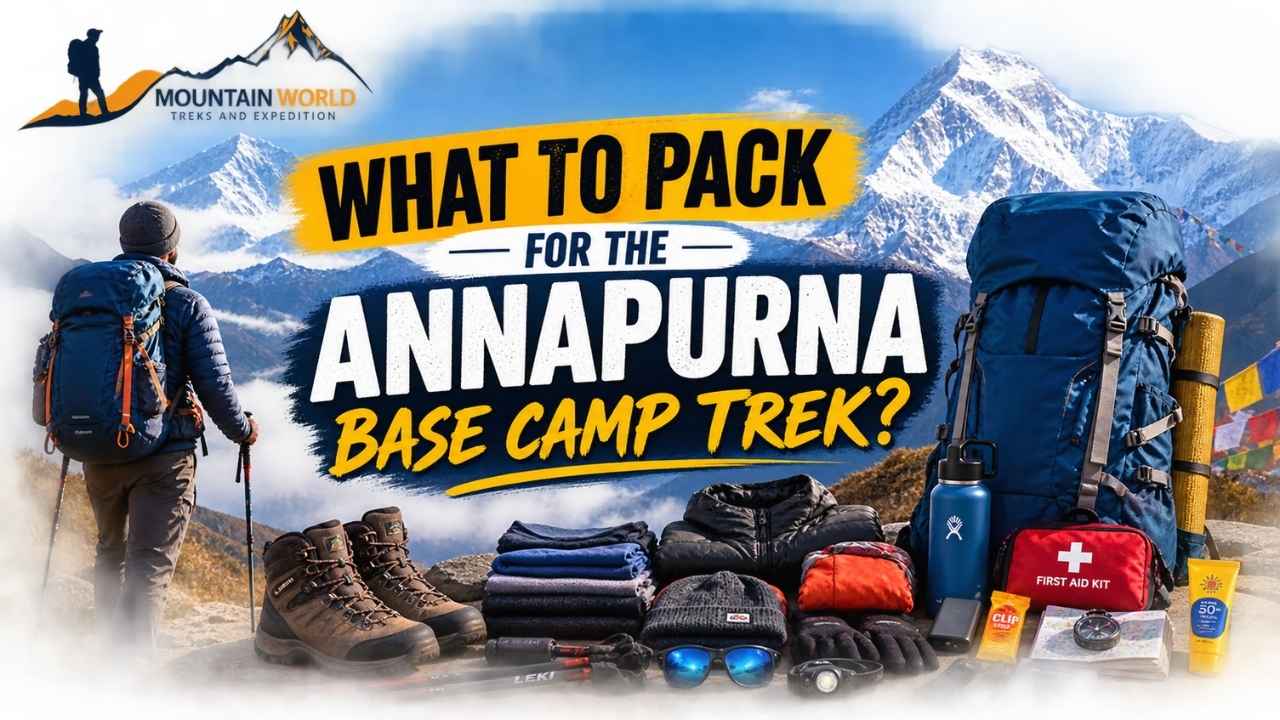
You need good trekking footwear, layered clothing, waterproof protection, a warm sleeping bag, sun protection, water treatment, basic medication and hygiene items, essential electronics, documents and a small daypack. Ropes, ice axes, crampons and other technical mountaineering equipment are not required for the standard Annapurna Base Camp route.
If you are trekking with a porter, your main luggage can go in a duffel while you carry the things you need during the day. Water, an extra layer, rain protection, snacks, medication and personal items are usually all you need close at hand. Choose equipment that suits the route rather than filling your bag with specialist gear you are unlikely to use.
Clothing: Build a Layering System
Take several lightweight layers instead of one heavy outfit. You can add or remove a layer as the temperature changes. A typical trekking day can start cool, become warm during a climb and turn cold again once the sun goes down. Rain and wind can also change how warm you feel.
A good clothing system includes:
- Moisture-wicking base layer
- Trekking shirts
- Fleece or warm mid-layer
- Insulated jacket
- Trekking trousers
- Waterproof jacket
- Waterproof trousers
- Trekking socks
- Underwear
- Sleepwear
- Warm hat
- Gloves
- Buff or neck gaiter
You do not need a fresh trekking outfit for every day. Two or three trekking shirts that can be rotated and dried when necessary are easier to manage than carrying a large wardrobe. Choose materials that dry reasonably quickly. Cotton can feel fine at lower elevations, but once it becomes wet with sweat or rain, it takes much longer to dry.
Base Layers
A lightweight thermal top and bottom become more important as you gain altitude, particularly during early mornings and evenings. You do not necessarily need to wear them throughout the day, so keep them accessible for when the temperature drops.
Fleece or Mid-Layer
A fleece is one of the best layers to have on the trek. It adds warmth without taking up too much space in your bag and works well over a base layer and underneath your insulated jacket when temperatures fall.
Insulated Jacket
Bring one genuinely warm insulated jacket for the colder parts of the trek. A lightweight down or synthetic insulated jacket is easier to manage than carrying several thick sweaters. Keep it protected from rain because insulation loses much of its warmth when wet.
Waterproof Jacket
Your outer shell needs to protect you from both rain and wind. Choose a jacket that is genuinely waterproof rather than simply water-resistant, and make sure it has enough room to fit over your other layers. Keep it somewhere you can reach quickly because if the weather changes while you are walking, you do not want to unpack your whole bag to find it.
Waterproof Trousers
Waterproof trousers are particularly useful during wet weather. They also give you another layer of protection against wind and cold. If possible, choose a pair that you can put on without taking off your trekking boots.
What Footwear Should You Take?
Take well-broken-in trekking footwear with good grip, plus a lightweight pair of camp shoes.
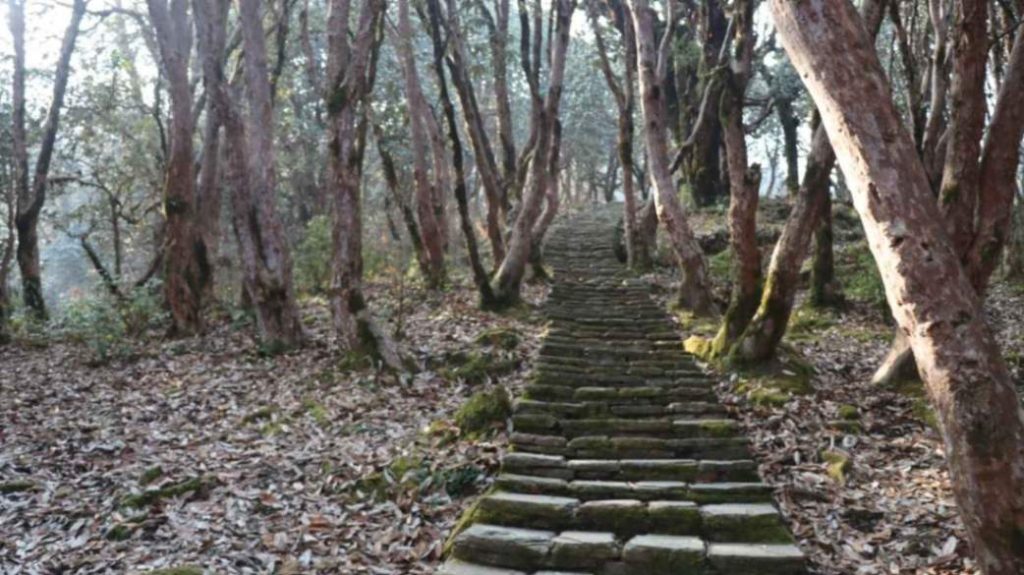
The ABC trail includes long sections of stone steps, uneven ground and sustained uphill and downhill walking. Your feet will spend hours working on this terrain, so fit and grip matter more than having an expensive pair of boots.
If you prefer hiking boots, choose a pair that fits properly and gives your toes enough room. If you normally hike in trail shoes and are comfortable using them on uneven terrain, they can also work for many trekkers. Do not arrive with brand-new boots and expect the trek to break them in for you. Any rubbing or pressure point that seems small at home can become painful after several hours of walking.
If you are preparing physically as well as buying equipment, see our Annapurna Base Camp Trek Training Guide for practical preparation for the walking days.
Camp Shoes
A lightweight pair of sandals or slip-on shoes is a good choice for the teahouse. After several hours in trekking footwear, having something to change into makes the evening easier. There is no need for a second heavy pair of shoes. Keep your camp footwear light and easy to pack.
Backpack and Duffel Bag
If a porter carries your main luggage, a 25–35-liter daypack is usually enough for the things you need while walking. Your daypack should hold the things you may need between stops, including water, a jacket, snacks, sun protection, personal medication and an extra layer.
Your main luggage can stay in the duffel. A duffel is easier for porter transport than a large framed backpack. Use a waterproof liner or dry bags inside your luggage as well. Even if your outer bag has some weather protection, keeping your clothes and sleeping equipment separately protected is especially important during the rainy season.
Keep Your Daypack Light
Keep the daypack light enough that you can walk for several hours without constantly adjusting the straps. With a porter carrying your main luggage, there is little reason for the daypack to become heavy. If you find yourself carrying things you have not touched all day, move them into your main luggage.
A properly fitted pack also matters. Adjust the shoulder straps and hip belt before you leave so the load sits securely while you walk.
Sleeping Bag for Annapurna Base Camp
A sleeping bag with a comfort rating around -10°C is a sensible choice for the colder nights on the standard ABC trek. In winter or during particularly cold conditions, a warmer bag may be appropriate.
Teahouses provide blankets, but temperatures at higher elevations can still be cold, especially overnight and during early morning starts. A sleeping bag gives you another layer of insulation rather than making you depend entirely on whatever blankets are available at the teahouse.
If you already own a suitable sleeping bag, bring it. If not, you can rent one in Kathmandu rather than buying an expensive bag specifically for this trek. Check the actual comfort rating before leaving. A thin summer sleeping bag may take up less space, but it will not help much if it leaves you cold at higher elevations.
Trekking Poles
Trekking poles are not mandatory, but they can help on the ABC route, particularly during long descents and on stone staircases. They provide extra balance on uneven ground and can take some pressure off your knees during descents.
The walk back down from Base Camp can be demanding because you have already spent several days walking uphill and sleeping at altitude. This is one part of the trek where poles can make a noticeable difference. Adjustable poles are easiest to pack and transport.
If you are not used to poles, practice with them before the trek. It is much easier to find a comfortable rhythm at home than on a steep staircase.
Sun, Wind and Cold Protection
Carry sunglasses, sunscreen, lip balm, a warm hat and gloves appropriate for the season. Sun exposure becomes stronger at altitude even when the air feels cold, so sunglasses with good UV protection are important on bright days.
Apply sunscreen to exposed skin and reapply during the day, especially if you are sweating or spending several hours outside. A warm hat and gloves become increasingly important higher on the route and during early morning starts. You do not need bulky winter gloves for every season, but your hands should have enough protection for the conditions you expect.
A buff or neck gaiter takes very little space and can help when the wind picks up. It can also protect your face from dust on drier sections of the trail.
Water and Hydration
Carry enough water for each walking period and have a reliable way to treat additional water when necessary. You can buy bottled or treated water along the route, but the price generally increases as you go higher. A reusable bottle or hydration bladder is more convenient for most trekkers.
You can treat additional water with purification tablets, a suitable filter or another method you are comfortable using. Treating water also means you do not have to depend entirely on plastic bottles throughout the trek, which can reduce both your spending and the amount of plastic you leave behind.
For information about the personal expenses, you may have on the trail, see our Annapurna Base Camp Trek Cost Guide.
Should You Carry a Water Filter?
A filter can be a good option if you prefer treating local water rather than buying bottled water. If you use purification tablets, check the instructions before the trek because some products require a waiting period before the water is ready to drink.
Whatever treatment method you choose, make sure you know how to use it before you reach the trail.
First-Aid Kit and Medication
Carry a small personal first-aid kit and enough of your regular medication for the entire trek. There is no need to carry a full medical kit. Keep it limited to things that are useful for common trekking problems and your own needs.
A basic personal kit can include:
- Blister treatment
- Small bandages
- Pain relief medication
- Antiseptic
- Regular prescription medication
- Oral rehydration salts
- Basic stomach medication
Blisters deserve attention early. If you notice a hot spot on your foot, deal with it before it turns into a painful blister after several more hours of walking. If you regularly use medication, keep it in your daypack rather than leaving your entire supply in your main luggage.
Altitude is another issue to prepare for. Annapurna Base Camp reaches 4,130 meters, so it is important to understand the symptoms of altitude sickness before the trek. See our Annapurna Base Camp Trek Altitude Sickness Guide for information about symptoms, acclimatization and what to do if you feel unwell.
Toiletries and Personal Hygiene
Take small quantities of the toiletries you actually use. A basic kit includes:
- Toothbrush and toothpaste
- Small soap or body wash
- Quick-drying towel
- Toilet paper or tissues
- Hand sanitizer
- Wet wipes
- Sunscreen
- Lip balm
- Personal hygiene products
- Small nail clippers
Do not bring full-size bottles unless you genuinely need them. Wet wipes can help when a proper shower is unavailable or when you simply want to freshen up after a long walking day. A quick-drying towel is much easier to manage in a trekking bag than a large bath towel.
Snacks for the Trail
Carry a small supply of familiar, high-energy snacks rather than filling your bag with food. Good trail options include:
- Nuts
- Dried fruit
- Energy bars
- Chocolate
- Biscuits
- Electrolyte tablets or drink powder
You can buy food along the route, but having something familiar in your pocket is handy when you are tired or do not feel like eating a full meal. Do not carry large quantities unless you know you need them. A few days into the trek, you will notice the difference between a small snack supply and a bag full of food you are barely eating.
Electronics, Charging and Power
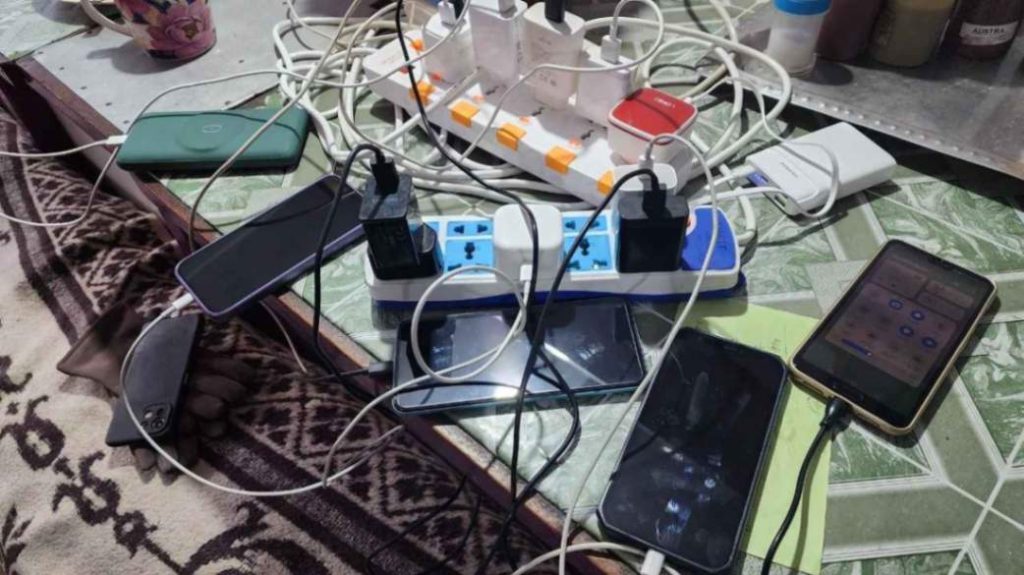
Take your phone, charging cable, power bank and other essential electronics, but keep the kit simple. A power bank is worth carrying because charging availability can vary between teahouses and may cost extra.
Keep your phone and electronics protected from rain and moisture. A small dry bag or waterproof pouch is enough for most trekkers. If you use your phone for photos, communication or other purposes throughout the day, start each morning with enough battery and use power-saving settings when needed. Cold temperatures can also reduce battery performance.
There is little reason to carry a laptop or several electronic devices on a trekking trip.
Documents, Cash and Insurance
Keep your passport, trekking documents, insurance information, emergency contacts and enough Nepalese rupees accessible. Carry copies or digital backups of important documents.
Cash is important because ATM access is not reliable throughout the trekking route. Withdraw enough Nepalese rupees before heading deeper into the mountains, and keep some emergency cash separate from your main wallet.
Your travel insurance should cover trekking at the altitude you will reach and provide appropriate emergency assistance. Check the actual policy wording rather than assuming a standard travel policy covers every part of a high-altitude trek.
What to Pack for Spring?
Spring calls for flexible layers, sun protection and dependable rain protection. March, April and May can provide comfortable trekking conditions, but temperatures still fall considerably at higher elevations.
You can use the same basic clothing system described above. Keep your lighter daytime layers accessible while still having your insulated jacket, shell and warmer accessories available for colder periods.
Lower elevations can feel warm during the day, so breathable trekking shirts are a good choice. Higher sections can be considerably colder, particularly in the morning and evening.
What to Pack for Autumn?
Autumn uses much the same core kit as spring, with particular attention to cool mornings, evenings and higher-altitude conditions. September, October and November are popular months for the trek.
Lower elevations can still feel warm during the day, while mornings and evenings higher on the route can be cold. You do not need to turn your entire packing list into winter gear simply because you are trekking at altitude. Keep your normal layers accessible and adjust according to the conditions you encounter.
If you are choosing your travel dates as well as preparing your equipment, see our Best Time to Trek to Annapurna Base Camp Guide for more information about the seasons.
What Changes for Winter?
Winter requires stronger cold-weather protection, especially for insulation, gloves, headwear and sleeping equipment. December, January and February can bring freezing temperatures and snow at higher elevations.
Your sleeping bag needs to be suitable for the coldest night you expect. Your insulated jacket, thermal layers, gloves and hat also become more important than they are during warmer months. Good footwear and waterproof protection matter as well, particularly if snow or wet conditions are present.
Winter packing is therefore less about adding lots of extra items and more about making sure the few items responsible for keeping you warm are suitable for the conditions.
What About the Monsoon Season?
During monsoon, keeping yourself and your equipment dry becomes one of the main packing concerns. June, July and August bring heavier rainfall in much of the Annapurna region.
Waterproof jacket and trousers are important, but protecting the contents of your bag matters just as much. Pack clothes and sleeping equipment inside dry bags or waterproof liners rather than relying only on the rain cover outside the backpack.
Quick-drying clothing is helpful because wet clothes may not dry quickly in humid weather. The lower sections of the trail can become wet and muddy, so footwear with good grip is particularly important. Keep electronics in their own waterproof pouch rather than leaving them loose inside the daypack.
Do You Need Gaiters?
Gaiters are optional, but they can help in wet conditions or snow. They stop mud, water, small stones and snow from getting into your footwear.
For a normal dry-season trek, many people manage perfectly well without them. They become more useful when trail conditions are wet or snowy. If you already own lightweight gaiters, they are easy enough to bring. There is no reason to buy heavy mountaineering gaiters specifically for a standard ABC trek.
What Should You Leave Behind?
Leave anything heavy, bulky or unlikely to be used on the trail. A separate outfit for every day, multiple pairs of heavy shoes, large toiletries, excessive electronics and technical climbing equipment will only add weight.
Teahouses provide accommodation along the route, so your personal kit can remain fairly simple. Before putting an item into your bag, think about where and when you will actually use it. If you are carrying something only because you might possibly need it, take another look at whether it deserves the space and weight.
Complete Annapurna Base Camp Packing Checklist
Clothing
- Base-layer top
- Base-layer bottom
- Trekking shirts
- Fleece or warm mid-layer
- Insulated jacket
- Trekking trousers
- Waterproof jacket
- Waterproof trousers
- Trekking socks
- Underwear
- Sleepwear
- Warm hat
- Gloves
- Buff or neck gaiter
Footwear
- Well-broken-in trekking boots or shoes
- Lightweight camp shoes
- Optional gaiters
Bags
- 25–35L daypack
- Duffel bag if using a porter
- Backpack rain cover
- Dry bags or waterproof liners
Sleeping
- Sleeping bag with a suitable cold-weather rating
- Sleeping-bag liner if desired
Sun and Weather Protection
- Sunglasses
- Sunscreen
- Lip balm
- Sun hat
- Buff
Hydration
- Water bottles or hydration bladder
- Water purification tablets or filter
- Electrolytes if you use them
Health and First Aid
- Personal medication
- Blister treatment
- Basic pain relief
- Bandages
- Antiseptic
- Oral rehydration salts
- Basic stomach medication
Toiletries
- Toothbrush and toothpaste
- Small soap
- Quick-drying towel
- Toilet paper
- Tissues
- Hand sanitizer
- Wet wipes
- Personal hygiene products
Electronics
- Phone
- Charging cable
- Power bank
- Headlamp
- Spare batteries if required
- Waterproof pouch or dry bag
Documents and Money
- Passport
- Trekking documents
- Travel insurance details
- Emergency contact information
- Nepalese rupees
- Small wallet
Optional but Useful
- Trekking poles
- Snacks
- Camera
- Small repair kit
- Earplugs
- Small notebook or pen
How to Pack Your Daypack
Put the things you may need during the day where you can reach them without opening your main luggage. Keep your water bottle or hydration bladder accessible.
Your waterproof jacket should not be buried underneath everything else. The same applies to sunscreen, snacks, gloves, hat and personal medication.
A useful arrangement is:
Top or Outer Pockets
- Sunscreen
- Snacks
- Gloves
- Hat
- Phone
Main Compartment
- Extra layer
- Waterproof jacket
- Small first-aid kit
- Personal items
Water Access
- Water bottle or hydration bladder
Protected Section
- Documents
- Electronics
- Medication that needs to stay dry
The exact arrangement is up to you. The main thing is being able to find what you need without taking everything out of the bag.
Final Check Before You Leave
Before leaving home, check the few items that will matter most during the trek: your footwear, waterproof layers, sleeping bag, personal medication, documents and daypack.
Wear or test the important equipment before the trek. This is the time to discover that a boot rubs, a rain jacket does not fit over your fleece, or a backpack strap need adjusting.
The Annapurna Base Camp Trek is a trekking route rather than a technical climbing expedition. You do not need a complicated equipment setup. Reliable footwear, sensible layers, protection from rain and cold, and the personal items you genuinely use are enough for most trekkers.
Pack, test your equipment and make sure you know where the things you need during the day are stored. Once you are on the trail, that makes a much bigger difference than having a bag full of gear you never use.
Annapurna Base Camp Packing List – FAQs
Do I need a sleeping bag for Annapurna Base Camp?
Yes, it is strongly recommended, particularly for colder nights higher on the route. A sleeping bag with a suitable cold-weather rating gives you extra insulation when temperatures drop.
What type of shoes should I wear for ABC?
Wear well-broken-in trekking boots or hiking shoes with good grip. Choose footwear you already know is comfortable rather than buying an unfamiliar pair just before the trek.
Do I need crampons for Annapurna Base Camp?
Standard ABC trekking does not require technical climbing equipment such as crampons. Winter trail conditions can vary, so conditions should be assessed before difficult or snowy sections.
How big should my backpack be for ABC?
If a porter carries your main luggage, a 25–35 liter daypack is generally sufficient for your daily essentials.
Do I need trekking poles?
No, but they can help. They provide extra stability and can make long descents and stone staircases easier on your legs and knees.
Can I rent trekking gear in Kathmandu?
Yes. Common trekking equipment such as sleeping bags, insulated jackets and trekking poles can be rented in Kathmandu. Check the condition and suitability of rented equipment before taking it onto the trail.
Can I wash clothes during the ABC trek?
Basic laundry services may be available at some teahouses, but availability and drying time vary. Quick-drying clothing is easier to manage than heavy cotton garments.
How much cash should I carry for ABC?
Carry enough Nepalese rupees for your expected personal expenses because ATM access is not reliable throughout the trekking route. Your actual requirement depends on spending on drinks, showers, charging, Wi-Fi, snacks and other extras.
Is bottled water necessary on the ABC trek?
No. You can treat available water using a suitable filter or purification method instead of relying entirely on bottled water.
Do I need a power bank?
It is worth carrying because charging availability can vary between teahouses. It also gives you a backup if you rely on your phone for photos or communication.
What should I keep in my daypack?
Carry water, rain protection, one warm layer, snacks, sun protection, personal medication, your phone and anything else you may need during the walking day.
Can I use trail runners instead of trekking boots?
Yes, if you already hike comfortably in trail shoes and are confident on uneven ground and long descents. The main considerations are fit, grip and familiarity with the footwear.
What changes when packing for ABC in winter?
Your insulation and cold-weather protection need to be stronger. Pay particular attention to your sleeping bag, insulated jacket, thermal layers, gloves, hat and footwear.
What changes when packing for ABC during monsoon?
Waterproofing becomes much more important. Protect clothing and electronics with dry bags, carry proper rain gear and use footwear with good grip.
Do I need camp shoes for ABC?
They are optional but worth considering. A lightweight pair gives your feet a chance to get out of trekking footwear at the teahouse without adding much weight.
Should I bring my own toiletries?
Yes. Bring the personal toiletries you normally use, but pack them in small quantities. A quick-drying towel, tissues and hand sanitizer are particularly useful.