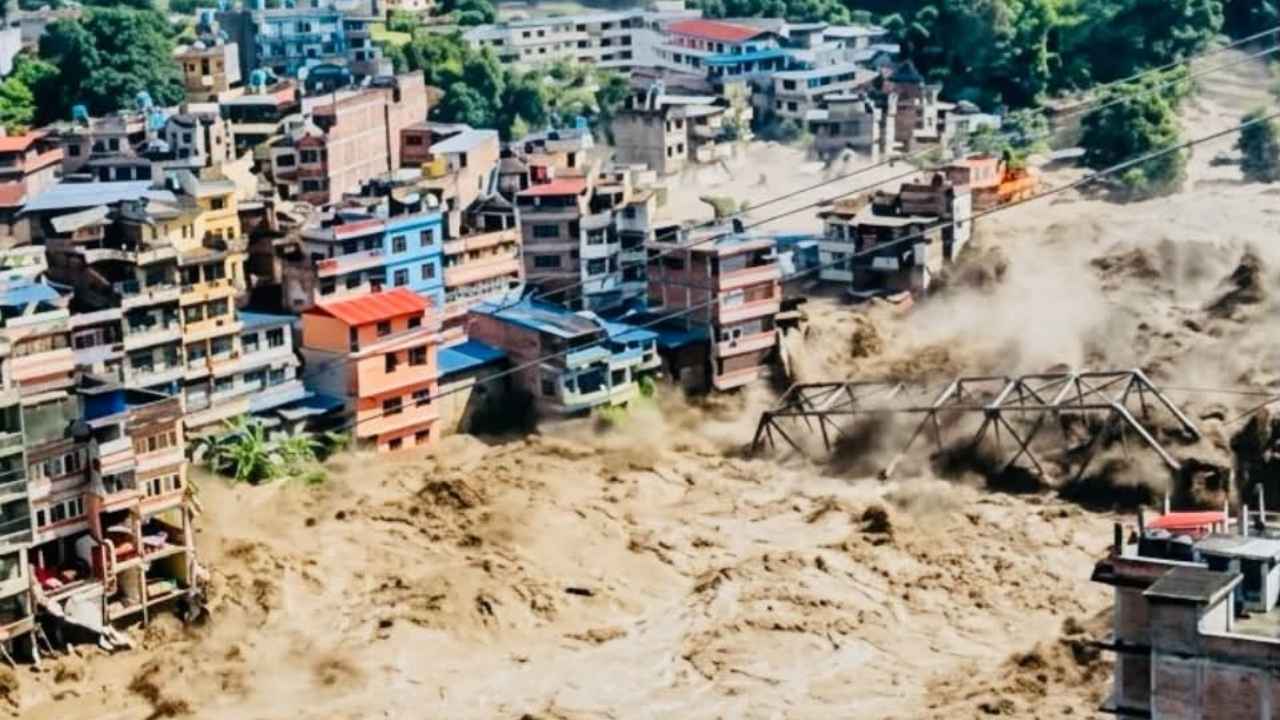
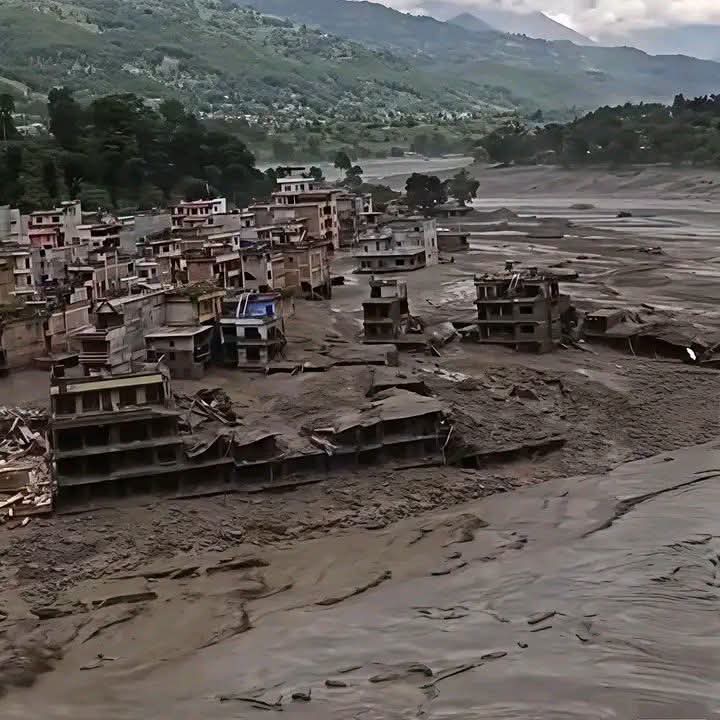
A major flash flood struck Rasuwa district in northern Nepal on August 26, sending water, mud and rocks through the Bhote Koshi river corridor near the Nepal–Tibet border. The flood damaged roads, bridges, homes, hydropower facilities and other infrastructure and left hundreds of people out of contact.
The numbers have changed quickly as authorities receive information from local administrations, travel companies and security agencies. The latest government figures are considerably higher than the initial reports released on August 26.
How Many People Are Missing in Nepal?
As of August 27, Nepal’s National Emergency Operation Centre reported 826 people still missing or unaccounted for following the Bhote Koshi flood.
Among them are:
- 579 tourists
- 466 foreign tourists
- 113 Nepali tourists
- 85 security personnel
- 161 people from Rasuwa
- 1 person from Nuwakot
The government figures are still being checked because communication remains disrupted in several affected areas.
Being listed as missing or unaccounted for does not mean that the person has been confirmed dead. Some people may be safe but unable to contact their families because telephone, internet and road connections have been damaged.
How Many Bodies Have Been Recovered?
By the morning of August 27, authorities had recovered 165 bodies from the flood-affected areas.
Bodies have been recovered not only in Rasuwa but also downstream in districts including Nuwakot, Dhading, Gorkha, Tanahun, Nawalparasi and Chitwan. The flood carried debris and people far downstream through the river system, making identification and recovery more difficult.
The figure of 165 is the number of bodies recovered, not necessarily the final death toll. Identification and search operations are continuing.
How Many Foreign Tourists Are Missing?
The latest government figure lists 466 foreign tourists among the 579 tourists who remain unaccounted for.
Earlier on August 26, the Nepal Tourism Board reported 341 foreign tourists and 62 Nepali tourists as unaccounted for. That earlier list included:
Nationality Earlier reported unaccounted
India 133
United States 47
Australia 34
United Kingdom 33
Canada 24
Malaysia 19
Ukraine 7
South Africa 6
Singapore 6
New Zealand 5
Japan 5
Germany 4
France 3
Spain 2
These nationality figures came from the Tourism Board’s earlier list and should not be treated as the final nationality breakdown. The overall foreign-tourist figure has since risen from 341 to 466 as authorities have received additional information.
Where Were the Foreign Travellers?
A large number of the foreign travellers were in Rasuwa, particularly around the Timure–Rasuwagadhi border corridor.
Many were travelling toward Tibet for the Kailash Mansarovar pilgrimage. Others were travelling with trekking and tour companies operating in Rasuwa.
This is important because the reports of missing foreign tourists do not mean that 466 Everest Base Camp trekkers are missing. The main affected travel corridor is in northern Rasuwa, near the Nepal–China border, and many of those affected were pilgrims or travellers heading toward the Tibet border.
Malaysians Among Those Uncontactable
Malaysia has also been trying to locate citizens who were travelling in the affected Rasuwa area.
Early reports identified Malaysian travellers among the foreign groups whose whereabouts could not initially be confirmed. Malaysian authorities have been working with the Malaysian Embassy in Kathmandu and Nepalese authorities to establish the status of their citizens.
The number has changed as officials verify travel lists and contact people who were previously unreachable. Uncontactable should not automatically be reported as confirmed missing or dead.
This distinction is important when reporting the disaster because communications remain unreliable in parts of Rasuwa.
What Areas Were Hit?
The worst damage is concentrated in Rasuwa district, close to the Nepal–Tibet border.
Affected locations include areas around:
Rasuwagadhi
Timure
Syabrubesi
Bhote Koshi river corridor
Mailung
Hakubesi
The flood then moved downstream through the Trishuli river system, affecting parts of Nuwakot, Dhading and other districts.
Roads and bridges were swept away, leaving some communities difficult to reach by ground.
How Is the Rescue Operation Going?
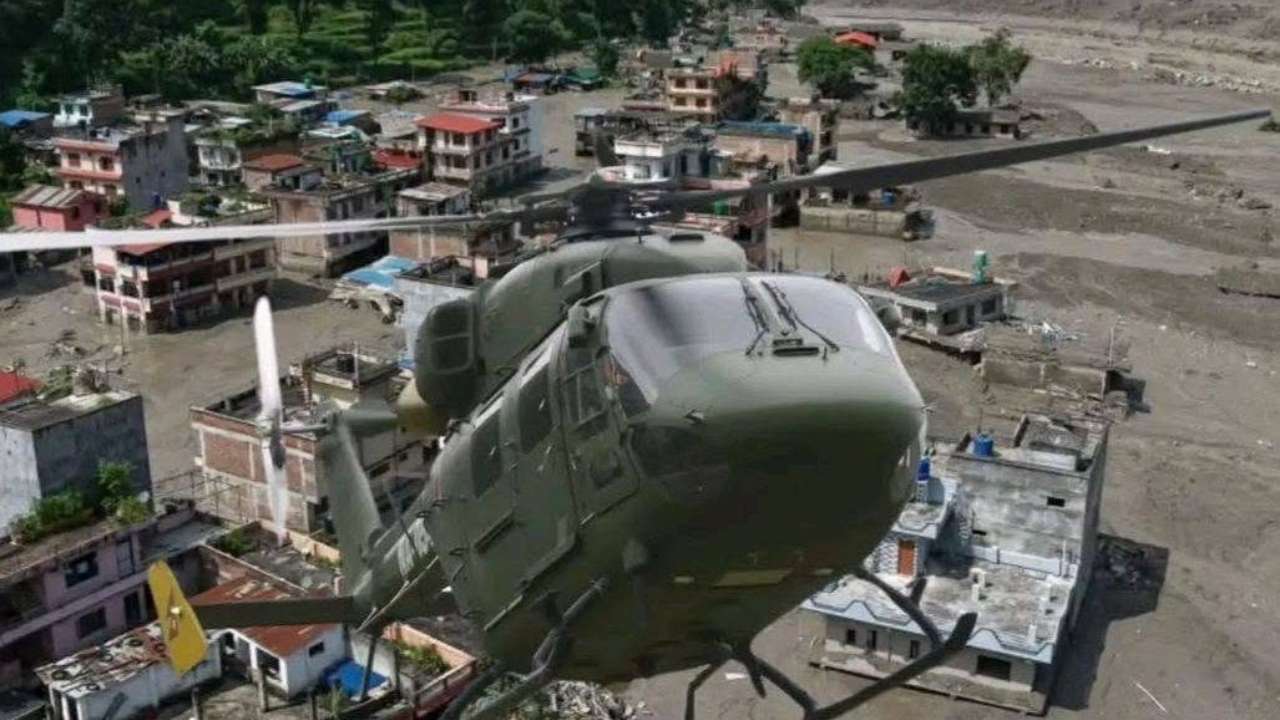
Search and rescue operations continued on August 27 with the Nepal Army, Armed Police Force and Nepal Police, supported by local authorities and private helicopter operators.
Helicopters are being used to reach areas where roads and bridges have been damaged. Rescue teams are also searching along riverbanks and areas covered by mud, rocks and debris.
Poor weather has made some helicopter operations difficult. On August 26, several flights carrying rescue teams and supplies had to turn back because of weather conditions.
The latest government figures report 104 people rescued, including people taken from affected areas in Rasuwa, Nuwakot and Dhading. 73 injured people have also been rescued and taken for medical treatment.
Why Is Recovery Difficult?
The flood damaged much of the infrastructure needed for the rescue operation itself.
Several roads and bridges were destroyed or blocked. Communication networks were also affected, making it difficult for families, travel companies and authorities to confirm where people are.
The river has also carried debris downstream, meaning search teams need to cover a wide area rather than concentrating only on the original flood location.
Weather is another problem because helicopters cannot operate normally in poor visibility and heavy rain.
What Caused the Flood?
Initial reports raised questions about seismic activity, but later analysis pointed to a glacial collapse and ice-rock debris flow near the Nepal–Tibet border.
The collapse released a large amount of water, ice, rocks and debris into the river system. The material then moved rapidly downstream through the narrow Himalayan valleys.
The sudden rise in the river left people in nearby settlements with very little time to move to safety.
Were Everest Base Camp Trekkers Affected?
The large number of missing foreign tourists should not be confused with the Everest Base Camp trekking route.
The main disaster occurred in Rasuwa, on the Nepal–Tibet border. Many of the foreign travellers affected were travelling toward Kailash Mansarovar and the Tibet border.
Everest Base Camp trekkers normally enter the Everest region through Lukla and follow the Dudh Koshi valley toward Namche Bazaar. That is a different route from the Rasuwa border corridor.
Nepal Flood: Latest Numbers
Based on the latest government figures available on August 27:
Situation Latest reported figure
Bodies recovered 165
People unaccounted for 826
Tourists unaccounted for 579
Foreign tourists 466
Nepali tourists 113
Security personnel unaccounted for 85
People rescued 104
Injured people rescued 73
These figures are changing as search teams recover bodies, rescue stranded people and confirm the status of people who were previously unreachable.
What About the Tibet Side?
The same flood affected areas across the Nepal–Tibet border. Chinese authorities have reported deaths and hundreds of people unaccounted for in Gyirong County.
Reuters reports that the combined number of people missing in Nepal and China’s Tibet region is approaching 1,500, although the two countries are reporting figures separately and the numbers should not simply be added together without accounting for how each authority is defining and verifying its lists.
The Tibet side also faces continuing risks from unstable terrain and water trapped behind remains.
What Happens Now?
The immediate work is focused on finding people, rescuing those stranded, recovering bodies and reopening access to isolated communities.
Authorities are also checking the names supplied by travel companies, security agencies, hydropower projects and local administrations. This process is important because someone who has lost phone contact may later be confirmed safe.
For families waiting for information, the most reliable updates will come through Nepalese authorities, embassies, police, tour operators and the travel companies handling the affected groups.
A Note About the Changing Numbers
The figures from August 26 and August 27 are very different.
On August 26, the Nepal Tourism Board reported 403 tourists unaccounted for, including 341 foreign tourists. By August 27, the National Emergency Operation Centre reported 579 tourists unaccounted for, including 466 foreign tourists.
The difference does not mean that all of those people necessarily disappeared during the night. Authorities were still collecting names from different sources and checking people who could not be contacted.