Travel Guide
Everest Base Camp Trek with Family: A Guide for Parents
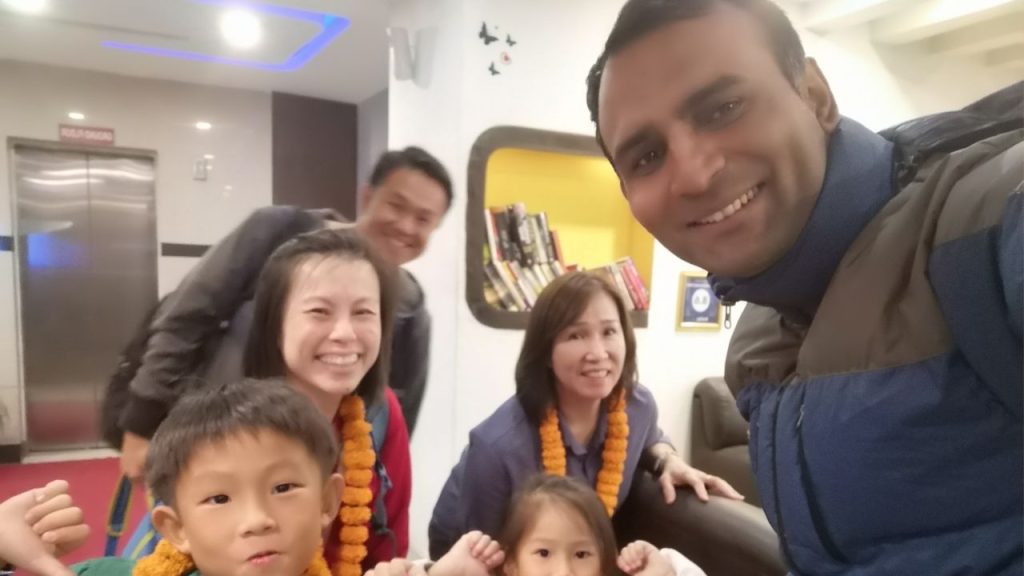
An Everest Base Camp Trek with Family requires more planning than trekking with a group of adults, but it can be done…
S
Saligram
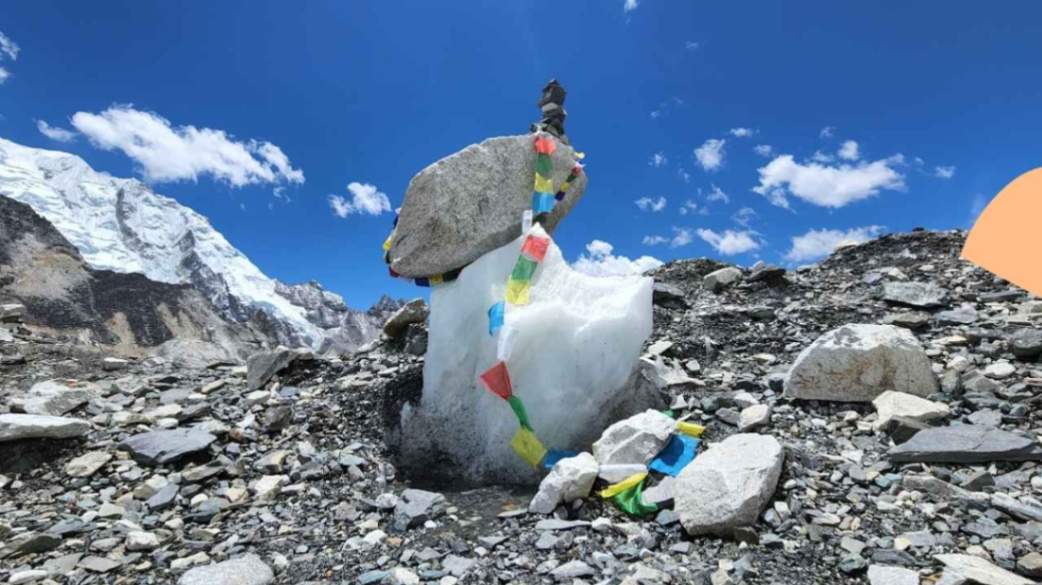
Practical advice on safety, altitude, insurance, packing, permits, flights, and making the right decisions while trekking to Everest Base Camp alone.
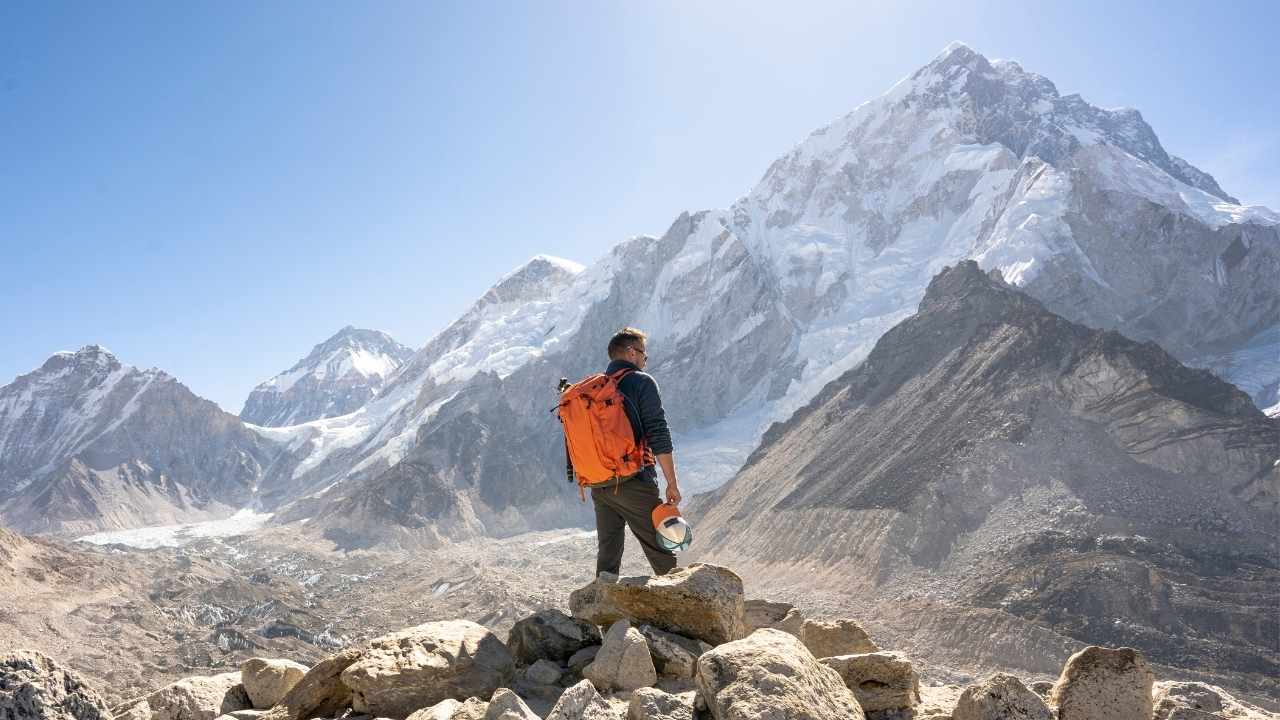
I often meet trekkers who want to go to Everest Base Camp trek solo on their own. Some want the freedom to walk at their own pace, while others simply prefer travelling without a large group. Both are reasonable choices, but trekking solo in the Everest region requires careful planning because the route reaches high altitude and passes through remote mountain areas.
I have been guiding in the Everest region since 2002, and I have seen how conditions can change as you climb higher. A solo trek gives you freedom, but it also means you need to make your own decisions about pace, weather, accommodation, altitude, and what to do if something goes wrong. Good preparation matters more than walking fast.
Trekking solo does not necessarily mean spending every hour completely alone. The Everest Base Camp route is well established, and you will meet other trekkers, guides, porters, and local people along the trail. You may walk alone for part of the day and still share a tea house with other trekkers in the evening.
The important difference is who is responsible for your decisions. If you travel without a guide, you need to manage your route, accommodation, food, daily timing, altitude, and emergency decisions yourself. If you hire a private guide, you can still travel independently without joining a large group while having local support when you need it.
The standard Everest Base Camp route is not a technical climbing route, but it is a serious high-altitude trek. Everest Base Camp sits at 5,364m, while Kala Patthar reaches 5,545m. The main physical challenge is the combination of altitude, long walking days, cold conditions, and limited facilities at higher elevations.
A person who is comfortable with several hours of walking and can handle basic mountain accommodation may be able to complete the route. Previous high-altitude experience is useful, but it is not essential if you prepare properly and follow a sensible itinerary.
I would not recommend choosing an aggressive schedule simply because you are travelling alone. Being independent does not mean you need to rush.
Walking the Everest Base Camp route alone does not mean you will be isolated. There are other trekkers on the trail, tea houses in the main villages, and local people working throughout the route. The difference is that when you are travelling alone, you have fewer people around who are responsible for noticing if something is wrong.
Most problems are manageable when you prepare for them in advance, but a small issue can become more difficult when you have nobody travelling with you.
| Possible problem | Why it matters on a solo trek |
| Altitude sickness | You may need to stop or descend without a trekking partner to help |
| Sudden weather change | Snow, rain, wind, or cloud can affect walking and flight plans |
| Injury or illness | Getting assistance can be harder when you are alone |
| Extreme tiredness | You may push yourself too far without someone advising you to slow down |
| Accommodation | Busy tea houses can make late arrivals more difficult |
| Lukla flight delays | A delayed flight can affect your wider travel schedule |
| Communication | Phone and internet coverage are not consistent throughout the route |
| Lost documents | You are responsible for keeping your passport, permits, and insurance information safe |
| Emergency evacuation | You may need help contacting the insurer and arranging evacuation |
None of these problems means you should avoid travelling alone. They mean you should know your limits and have a plan before you start.
Solo trekking to Everest Base Camp can be manageable for an experienced and well-prepared trekker, but I would not describe it as risk-free. The route is established and regularly used by trekkers, yet you are still walking through a high-altitude mountain environment where weather, altitude, illness, injury, and flight delays can affect your plans.
The biggest difference is what happens when you have a problem. If you are with a guide or trekking partner, someone can speak to a tea house, contact the appropriate people, stay with you while you rest, or help arrange the next step. When you are alone, you have to handle more of these responsibilities yourself.
For this reason, I do not recommend treating “solo” as a reason to ignore basic safety. Walk at a sensible pace, follow your acclimatization schedule, tell someone where you are going, keep your phone charged, and know how to get help.
There is a difference between wanting to travel alone and refusing all local support. Many solo trekkers prefer not to join a group but still choose a private guide. This gives them their own schedule while having someone who knows the villages, trail, weather patterns, altitude, and local arrangements.
A guide is particularly useful when you become sick, your flight is delayed, weather affects the route, or you need help communicating with local people. In the mountains, these situations are easier to handle when someone experienced is already with you.
If your priority is complete independence, careful preparation is essential. If you want to walk without joining a group but still have local support, a private trek is often the better balance.
The right choice depends on your experience and how much responsibility you want to handle yourself.
| Your priority | Option I would consider |
| Complete independence | Solo trekking with careful preparation |
| Walking independently with local support | Private guide |
| First high-altitude trek | Private guided trek |
| Flexible walking pace | Private trek |
| Previous high-altitude experience | Independent trekking may be suitable |
| Concern about emergencies | Private guide with suitable insurance |
For many trekkers, the best option is somewhere between a large group and completely independent travel. A private guide allows you to keep your own schedule and avoid joining strangers while still having someone with local experience beside you.
The standard route follows Lukla, Phakding, Namche Bazaar, Tengboche, Dingboche, Lobuche, Gorak Shep, and Everest Base Camp. Most trekkers take around 12 to 14 days for the full journey, depending on the itinerary and return arrangements.
I recommend giving yourself enough time for acclimatization rather than trying to shorten the trek. Namche Bazaar and Dingboche are important stops because they allow your body to adjust before you sleep at higher elevations.
If you have limited time, a helicopter return can reduce the walking required after reaching Base Camp. You still need the gradual ascent and acclimatization on the way up.
Altitude is the biggest physical concern on the Everest Base Camp trek. As you climb higher, your body needs time to adjust to the reduced oxygen available in the air. This is why a sensible itinerary includes acclimatization days instead of increasing sleeping altitude too quickly.
Namche Bazaar is the first major acclimatization point. Dingboche provides another important break before heading toward Lobuche and Gorak Shep. During these stops, short walks to higher elevations followed by returning to sleep lower can help with acclimatization.
Learn the signs of altitude sickness before leaving Kathmandu. Headache, nausea, dizziness, unusual tiredness, loss of appetite, and changes in coordination or behavior should not simply be ignored. If symptoms become serious or worsen, descending is more important than continuing toward Base Camp.
A common mistake among solo trekkers is trying to prove that they can walk faster because nobody else is setting the pace. The trail does not reward speed, particularly as you get higher.
Start early enough to reach the next village without rushing. Take regular breaks, drink water throughout the day, and keep your warm layer and other essentials accessible. Your pace should allow you to finish the day with enough energy to eat, rest, and sleep.
The return journey also deserves attention. After reaching Base Camp and Kala Patthar, your legs may already be tired, so do not assume that walking downhill will automatically be easy.
Tea houses provide the main accommodation along the Everest Base Camp route. Rooms are generally simple, with beds and basic furniture, while bathroom facilities vary from village to village. At higher elevations, you should expect fewer comforts than you would have in Kathmandu.
During busy trekking periods, rooms can become limited, especially later in the afternoon. Starting your walking day at a sensible time helps you reach the next village before accommodation becomes difficult to arrange.
Food is available at most tea houses along the route. Dal bhat, noodles, rice, pasta, potatoes, eggs, porridge, soup, and similar meals are common. You do not need to carry food for the entire trek, but a few personal snacks can be useful between meals.
Packing light is particularly useful when you are travelling alone because you need to keep track of everything yourself. Your main luggage should contain clothing and equipment that you do not need during the day, while your daypack should hold the items you may need while walking. For a complete breakdown of what to bring, see our Everest Base Camp Trek Packing List.
Warm layers, a waterproof jacket, gloves, a hat, trekking shoes, sunglasses, sunscreen, a sleeping bag, water bottles, personal medication, and trekking poles are among the key items. Keep an extra warm layer in your daypack rather than buried inside your main bag.
If you use a porter, plan the load properly. Our standard arrangement is one porter for every two trekkers, with a maximum porter load of about 25kg. Even when you have porter support, you should still carry the essentials you may need during the day.
A solo trek requires more attention to communication than a group trek. Keep your phone charged and carry a power bank because charging facilities can become limited or cost extra in higher villages. Wi-Fi and mobile coverage also vary along the route.
Tell someone about your daily plan, especially if you decide to change your itinerary. Your guide, hotel, trekking agency, or a trusted contact should know where you are expected to stay.
Weather can also affect plans quickly. Snow, strong winds, rain, or poor flying conditions can change your schedule, so do not build your entire trip around reaching a particular village on an exact day.
One advantage of travelling alone is that you can interact more naturally with people you meet along the trail. You will pass through Sherpa villages, Buddhist monasteries, tea houses, and small settlements where tourism is closely connected with daily life.
Take your time in the villages rather than treating them only as overnight stops. Respect local customs, ask before photographing people, and remember that you are travelling through communities where people live and work year-round.
You will also meet many other trekkers heading toward Base Camp. Some may walk at a similar pace, and you may naturally find yourself sharing part of the trail with them without becoming part of an organized group.
Before starting the trek, make sure the required permits and local arrangements are properly handled. If you use a trekking company, confirm what is included before you leave Kathmandu so there are no misunderstandings on the trail.
If you choose a guide, check that the guide is properly licensed and experienced in the Everest region. Local knowledge matters most when something unexpected happens, not when everything is going according to plan.
Also keep copies of your passport, insurance details, emergency contacts, and important travel documents. A digital copy stored on your phone and another backup can save time if you lose the originals.
Spring and autumn are the main trekking seasons for Everest Base Camp. March to May and September to November generally attract the highest number of trekkers, so you will have more people on the route but also busier tea houses.
Winter brings colder temperatures, especially at night and at higher elevations. The trail can also be affected by snow and freezing conditions. The monsoon months bring more rain and can create additional travel and flight issues.
If you are travelling alone, I recommend allowing extra days in your overall Nepal schedule. Lukla flights can be affected by weather, and a delay of one day can affect your international departure if there is no buffer.
Your Everest trek normally begins with a flight to Lukla. During the busy spring and autumn periods, flights may operate from Ramechhap rather than Kathmandu, which requires a road journey of around five to six hours from Kathmandu.
The flight from Ramechhap to Lukla is roughly 15 minutes. When flights operate directly from Kathmandu, the flight time is around 30 minutes.
Flight arrangements can change according to the season and operating conditions. I recommend checking the current schedule before travelling rather than assuming that the same departure arrangement will apply every year.
Insurance is especially important when you are travelling alone. Do not assume that a normal travel insurance policy covers you simply because it mentions trekking or medical evacuation.
Some insurance policies have specific exclusions for solo trekking, trekking without a licensed guide, or certain adventure activities. Other policies may cover solo trekking but impose an altitude limit that is too low for Everest Base Camp. The only safe approach is to check the actual policy wording before you buy it.
Before travelling, confirm these points with your insurer:
If the wording is unclear, contact the insurance company and ask for written confirmation. Keep the policy number and emergency contact details on your phone and in another accessible place.
For a solo trekker, this is not paperwork to leave until the day before departure. Your insurance should be confirmed before you enter the mountains.
I started working in the mountains as a porter in 1996, became a licensed guide in 2002, and founded Mountain World Treks in 2010. I am still actively guiding, and after many years in the Everest region, my advice to solo trekkers is simple: prepare properly and do not confuse independence with taking unnecessary risks.
You do not need to walk fast, carry too much, or follow someone else’s schedule. Give yourself enough time, listen to your body, and make decisions based on the conditions in front of you.
If you want the freedom of travelling independently, you can still use local support when necessary. You can arrange a private guide instead of joining a group, use a porter if needed, and keep your own schedule while having someone with you who understands the route.
I would especially advise first-time high-altitude trekkers not to make “doing it completely alone” the main achievement. Reaching Everest Base Camp safely is more important than being able to say that you never accepted help.
Before leaving Kathmandu, make sure your insurance is confirmed, permits are arranged, emergency contacts are saved, your equipment is suitable, and your itinerary is realistic. Once you are on the trail, listen to your body and the conditions instead of following a fixed plan at any cost.
If you feel unwell at altitude, stop and speak to someone. If the weather becomes unsuitable, wait. If you need help, ask for it. There is no weakness in changing your plan in the mountains.
Yes, some experienced trekkers choose to travel independently. However, you need to be prepared to manage navigation, accommodation, altitude, weather, communication, and emergencies yourself.
A guide provides local knowledge and support, particularly if you become sick or your plans change. You can also hire a private guide without joining a group.
Around 12 to 14 days is common for a standard itinerary, although the exact duration depends on acclimatization, walking pace, and your return arrangements.
Yes, previous high-altitude experience is helpful but not essential. Proper preparation, gradual ascent, acclimatization, and a sensible pace are important.
Altitude is one of the main concerns, along with weather, mountain flights, and being responsible for yourself if you become unwell. Good preparation and timely decisions reduce unnecessary risks.
Yes. A helicopter-return itinerary allows you to trek to Base Camp and fly back instead of walking the entire route to Lukla again. The flight remains subject to operating and weather conditions.
Choose insurance that covers high-altitude trekking up to at least 6,000m and specifically confirms whether solo trekking is covered. Also check the terms for altitude sickness and emergency evacuation.
Connect with an expert - real trek leaders in Kathmandu, free advice, no pressure.
An Everest Base Camp Trek with Family requires more planning than trekking with a group of adults, but it can be done…
Saligram
The price of an Everest Base Camp trek covers the main services in your package, but you will still have some personal…
Saligram
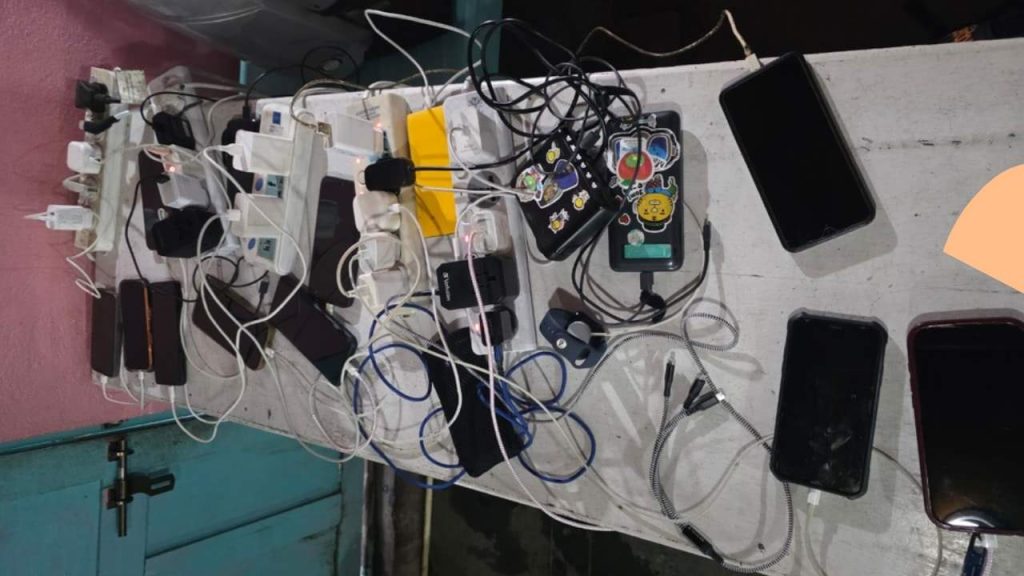
What trekkers should know about mobile data, Wi-Fi, charging, and phone batteries in the Khumbu. You can stay connected during the Everest…
Saligram
Get clear answers about solo Everest Base Camp trekking, including safety, altitude, insurance, permits, packing, guides, flights, and practical tips.


