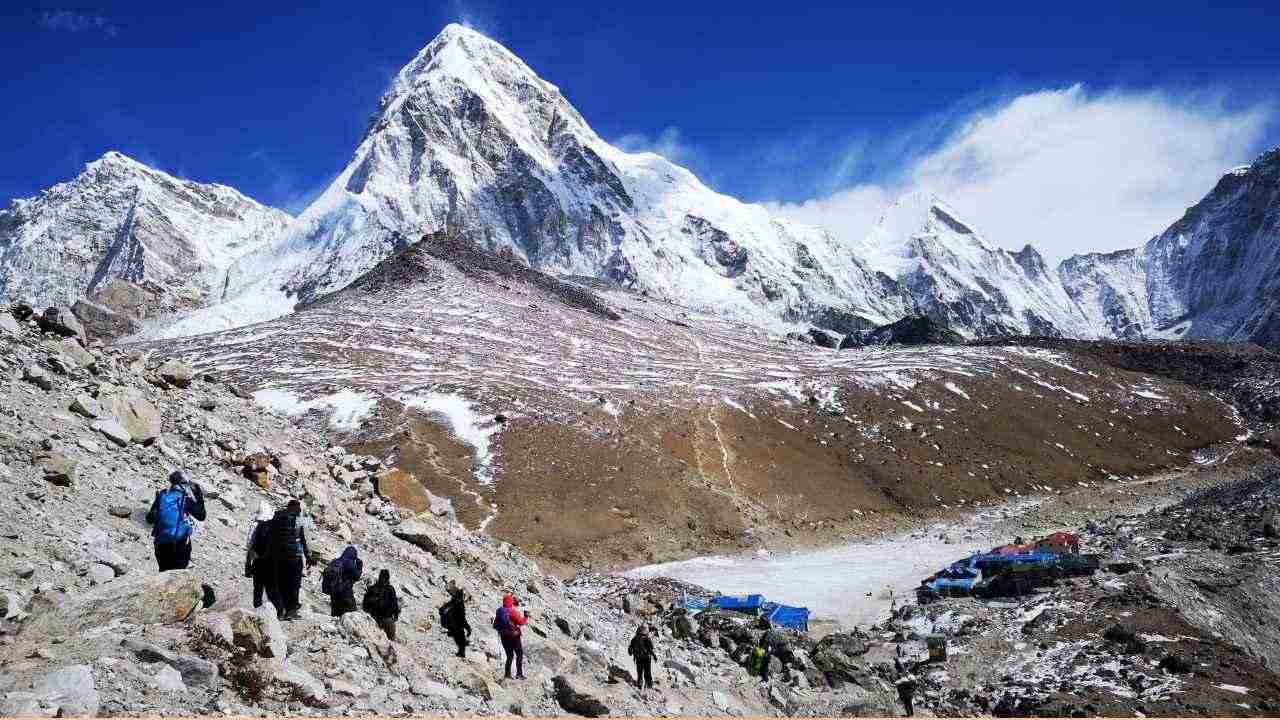
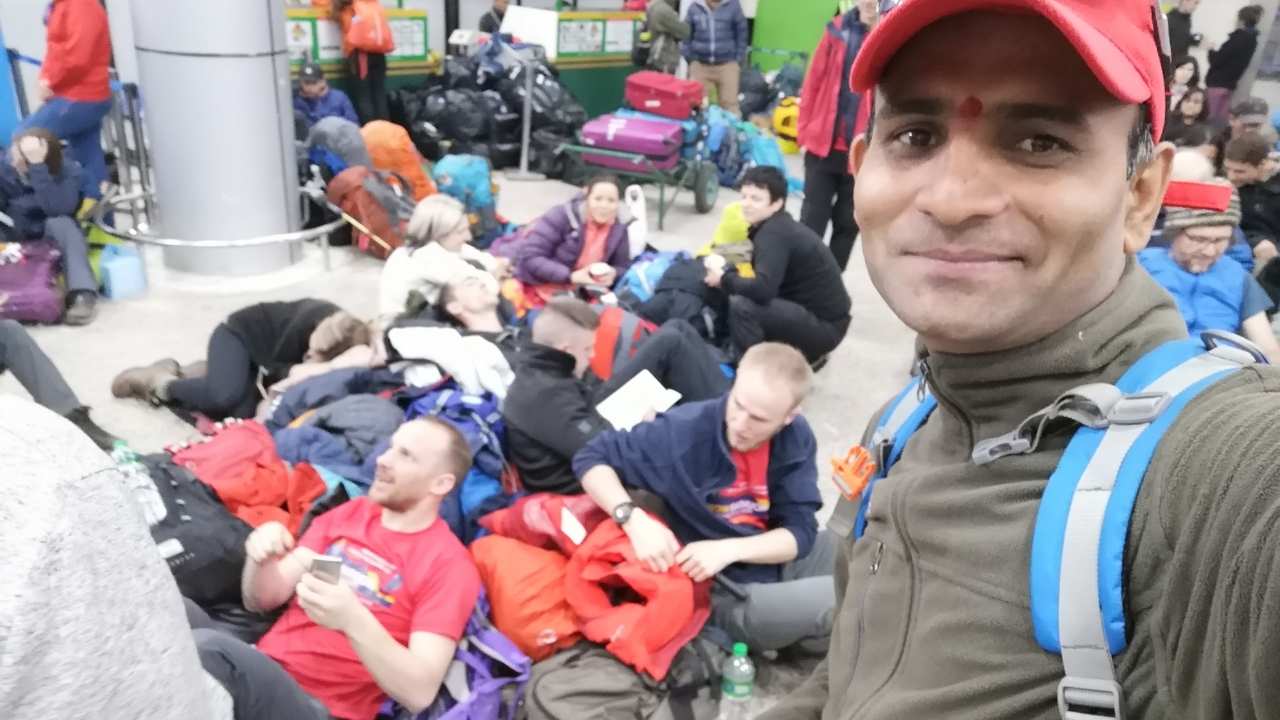
Everest Base Camp Trek delays can happen for several reasons, including flight cancellations, changing weather, trail conditions, accommodation issues or a trekker needing more time to recover. The trek has a planned itinerary, but mountain conditions do not always follow a fixed schedule.
As a trekking guide, I use the itinerary as a working plan rather than something that must be followed regardless of conditions. Each day, we look at the trail, weather, walking pace and condition of the group before deciding how to continue.
Most changes are manageable when they are handled early. The important thing is to make a practical adjustment instead of rushing to recover a few hours or one lost day.
The Everest Base Camp Trek is normally completed over 14 days, with acclimatization stops in Namche Bazaar and Dingboche. These stops give the itinerary some flexibility, but they do not remove the need to allow for weather, flights and individual walking conditions.
What Should You Do When Plans Suddenly Change?
When something unexpected happens during the trek, first tell your guide and stop to understand the situation. Do not make a quick decision based only on what you see at that moment.
Your guide can check the weather, trail conditions, accommodation, transport and the condition of the group before deciding what to do next. If the plan changes, follow the new arrangement and ask about anything you do not understand.
Do not take an unfamiliar shortcut or change the route independently to save time. In the Khumbu, a route that looks shorter on a map may have difficult terrain, changing weather or no suitable place to stop.
Keep your passport, insurance details, regular medication and important phone numbers accessible. If a change creates additional costs, ask what the cost is and whether it is covered by your insurance before accepting an expensive service.
Lukla Flight Delays and Cancellations
Lukla flights are one of the most common reasons an Everest Base Camp Trek schedule changes. Flights can be affected by cloud, wind, visibility and other operating conditions, so even a scheduled flight does not guarantee that the aircraft will depart on time.
Flights to Lukla may operate from Kathmandu or Ramechhap depending on the season and current airport operations. During busy trekking periods, flights often operate from Ramechhap, which requires a road transfer from Kathmandu before the flight.
The practical details of airport transfers, flight times, baggage and seasonal arrangements are explained in Lukla flight information.
A delay does not automatically mean the trek is cancelled. Depending on the situation, the airline may move the flight to later in the day, the following day or another available flight. Your trekking team should coordinate the changes and adjust the itinerary accordingly.
What Happens If Your Lukla Flight Is Delayed or Cancelled?
If your flight is delayed, stay at the airport or accommodation as instructed by the airline or trekking team. Avoid leaving the area without confirming what is happening because the flight may be rescheduled at short notice.
If the flight is cancelled for the day, the next step depends on available flights and weather conditions. You may need to stay in Kathmandu or near Ramechhap and take the next available flight.
There are also situations where a helicopter may be considered if fixed-wing flights are not operating and a suitable helicopter service is available. This depends on weather, availability, operating conditions and the cost of the service.
If you are already in Lukla on the return journey, the same problem can happen in reverse. You may need to stay an additional night and wait for the next suitable flight.
This is why I recommend keeping some flexibility around the beginning and end of an Everest trek. Trying to fit a fixed trekking schedule into a situation controlled by weather can create unnecessary pressure.
What Happens If Weather or Trail Conditions Change?
Weather can affect more than flights. Rain can make a lower trail muddy, snowfall can cover higher sections, and poor visibility can make walking slower or less comfortable.
If conditions become difficult, the guide may reduce the walking distance, change the stopping point or delay the start. At higher elevations, waiting for better conditions can sometimes be more sensible than continuing simply because the itinerary says you should arrive that day.
Trail conditions can also change after snowfall, landslides or other local problems. If a section becomes unsafe or impractical, the group may need to use another route or wait until conditions improve.
The important point is that changing the plan is not the same as abandoning the trek. It is often simply a way of keeping the group moving safely.
What If the Planned Teahouse Is Full?
Accommodation in the Khumbu can become limited during busy trekking periods. A teahouse that normally has enough rooms may be full when several groups arrive at the same time.
If the planned teahouse has no room, your guide will normally look for another available lodge. This may mean staying in a different teahouse in the same village or walking a little farther if suitable accommodation is available.
You should not assume that a different lodge means a major problem. Teahouse standards vary, but the basic arrangement is usually straightforward: a room, meals and a place to rest for the night.
The change becomes more important at higher elevations, where accommodation options are fewer. Knowing what to expect from Everest Base Camp trek accommodation can also help you understand why your overnight stop may occasionally change.
What If You Cannot Keep Up with the Planned Itinerary?
Not every trekker walks at the same speed. A person who is comfortable on a lower trail may slow down considerably after Namche as the altitude increases.
If you are walking too slowly to reach the planned destination safely, your guide may change the stopping point or adjust the next day’s walking distance. There is no benefit in forcing a tired trekker to maintain the pace of someone who is much stronger.
On some days, reaching the destination later is manageable. On other days, especially at higher elevations, arriving too late can affect food, rest and the following day’s schedule.
A good trekking plan has some flexibility. The goal is to reach Everest Base Camp safely, not to complete every walking day at exactly the same pace.
If you are preparing for the trek, understanding the Everest Base Camp trek difficulty can help you judge the daily walking demands before you arrive in the Khumbu.
What If You Become Sick, Injured or Affected by Altitude?
Illness and altitude problems need to be taken seriously on the Everest Base Camp Trek. Headache, unusual tiredness, dizziness, nausea, loss of appetite and difficulty sleeping can occur for different reasons, but symptoms that worsen should not be ignored.
Tell your guide as soon as you feel that something is wrong. Waiting until you are severely unwell can make the situation harder to manage.
The response depends on the symptoms and severity. You may need extra rest, a lower sleeping altitude, medical attention or evacuation. Continuing higher simply because the itinerary says you should be not a safe approach when altitude illness is suspected.
Before leaving Kathmandu, it is worth understanding the symptoms, prevention and response covered in Everest Base Camp altitude sickness information.
Your preparation should also include checking your insurance carefully. A policy that covers ordinary travel does not necessarily cover high-altitude trekking or helicopter evacuation.
What Happens If You Need an Extra Trekking Day?
An extra day may be needed if a flight is delayed, weather affects the route, you become sick or the group needs a slower pace.
Sometimes the extra day is added before reaching Everest Base Camp. In other situations, the itinerary can be adjusted by shortening one walking day or changing the overnight stop.
Whether an additional day creates an extra cost depends on what caused the change and what your original booking includes. Accommodation, meals, transport and guide or porter services may need to be extended.
Ask about these costs before the additional arrangements are confirmed. Travel insurance can also be important when extra expenses result from illness, injury or other covered situations.
Having a clear understanding of the Everest Base Camp trek cost before departure makes it easier to separate the original package cost from expenses created by an unexpected change.
What If You Decide to Turn Back?
You can decide to stop the trek and turn back if you no longer want to continue. You should discuss the decision with your guide rather than simply leaving the group.
There may be several practical options depending on where you are. You might walk back along the same route, stay at a lower village for recovery or arrange transport when a road becomes accessible.
If altitude sickness or another health problem is involved, descending is different from simply changing your travel plans. Your guide should help determine the safest way to get you to a lower elevation.
Turning back also means the original itinerary may no longer apply. Transport, accommodation and other arrangements may need to be changed based on your new route.
What If One Person in the Group Cannot Continue?
Private groups have more flexibility because the itinerary can often be adjusted around the individual situation. In a group trek, however, one person’s condition can affect the entire group.
If one trekker cannot continue, the guide will assess the situation and discuss the available options. Depending on the circumstances, one person may descend with a guide or porter while the rest of the group continues.
The exact arrangement depends on the route, health situation, staffing and available transport. It should not be assumed that every group will follow the same procedure.
This is another reason to discuss your expectations with the trekking company before departure, especially if you are travelling with friends or family.
What If You Want to Change the Itinerary?
Trekkers sometimes decide they want a different pace after starting the trek. You may want a rest day, a shorter walking day, an additional acclimatization stops or a different overnight location.
Some changes are easy to arrange, while others affect accommodation, permits, staff schedules or transport. Speak with your guide before making the change so you understand what it means for the rest of the trek.
Do not assume that changing one day has no effect on the following days. A shorter day today may require a longer day later, particularly when there are fixed destinations such as Gorak Shep and Everest Base Camp.
For this reason, it is useful to review the planned Everest Base Camp trek itinerary before departure and understand where there is natural flexibility.
What If the Route Needs to Change?
A route can sometimes change because of weather, trail conditions, local closures or other circumstances. The alternative route depends on where the problem occurs and what options are available.
Your guide should explain why the route is changing and where the group is going instead. This is especially important when the alternative involves a longer walking day or a different overnight location.
Do not rely only on information from another trekking group. Conditions can be different from one section of the trail to another, and a route that was suitable yesterday may not be suitable today.
The Khumbu is a working mountain region, not a controlled hiking park. Trails, bridges, accommodation and transport can all be affected by local conditions.
What If Your Return Flight from Lukla Is Delayed?
The return flight from Lukla can face the same weather problems as the flight at the beginning of the trek. A trekker may complete the walking schedule exactly as planned and still be unable to fly to Kathmandu on the expected day.
If the flight is delayed, the airline may reschedule you depending on availability and operating conditions. Your trekking team can help coordinate the change and arrange additional accommodation if you need to stay in Lukla.
This is why I recommend not planning an international departure immediately after the trek. Leaving some time between the mountain flight and your international flight gives you more room to deal with an unexpected delay.
Who Pays for Medical and Evacuation Costs?
Medical treatment and evacuation costs depend on the situation, your insurance policy and the services required. A trekking package does not automatically mean that every medical or evacuation expense is included.
Before the trek, check whether your insurance covers high-altitude trekking at the maximum elevation you will reach. Also check whether helicopter evacuation, hospital treatment, additional accommodation and transport are included.
If an emergency happens, your guide or trekking company can help coordinate the practical arrangements. The payment and reimbursement process, however, depends on your insurance provider and policy.
Keep your insurance details and emergency contact information somewhere that you can access easily without relying only on your phone.
What If You Miss Your International Flight?
A delayed Lukla flight can sometimes cause you to miss a later international flight. Airlines generally treat these as separate bookings when the domestic mountain flight and international ticket were purchased independently.
For this reason, it is safer to leave a buffer between returning from Lukla and departing Nepal. If your international ticket is fixed and non-refundable, check its change and cancellation conditions before starting the trek.
Travel insurance may cover some losses caused by delays, but this depends on the policy. Keep boarding passes, receipts and other documents if you need to make a claim.
What If You Miss the Group or Your Baggage Is Delayed?
If you become separated from your group, contact your guide or trekking company rather than trying to find the group by yourself. Keep the group’s contact details somewhere accessible in case your phone battery is low or mobile coverage is limited.
Baggage problems can also happen during domestic flights. If your main luggage does not arrive with you, report it to the airline immediately and inform your trekking team.
Keep essential items such as medication, documents, valuables, a warm layer and basic personal items in your hand baggage. Losing a checked bag is inconvenient, but it should not leave you without everything you need for the first part of the trek.
Communication During an Unexpected Situation
Mobile coverage varies along the Everest Base Camp route. You should not assume that your normal phone connection will work everywhere, especially in remote sections and at higher elevations.
Your guide normally becomes the main point of communication when plans change. The guide can speak with teahouses, transport providers, airlines and the trekking company while you focus on the situation itself.
Keep your phone charged and carry a power bank. It is also useful to have important numbers written down rather than relying entirely on contacts stored on your phone.
What Should You Carry for Unexpected Changes?
A few simple items can make an unexpected change much easier to handle. Your daypack should contain the things you may need even if your main baggage is delayed or the day’s plan changes.
Carry your passport or required identification, insurance information, medication, phone, power bank, water, snacks, a warm layer and rain protection. Keep some cash available because card and digital payment options are not equally reliable throughout the route.
A small amount of flexibility in your packing is useful as well. If the group has to walk farther than planned or wait somewhere longer than expected, having an extra layer and food can make the situation much more comfortable.
A sensible Everest Base Camp trek packing list should therefore include more than clothing for the expected weather. Items that help you deal with delays, cold evenings and changes in the daily schedule are worth carrying.
How Guides Handle Changes During the Trek
A trekking guide does more than lead the group along the trail. Each day involves checking the weather, route, accommodation, walking time and the condition of the trekkers.
When something changes, the guide normally has to make several decisions at the same time. A flight delay may affect accommodation, a slower walking day may affect the next overnight stop, and a health problem may require a completely different plan.
Good decisions are usually made early. If a trekker is already exhausted late in the afternoon or weather is clearly deteriorating, waiting until the last possible moment can reduce the available options.
For this reason, do not be surprised if your guide changes the day’s plan before there is an obvious problem. Preventing a difficult situation is part of managing a high-altitude trek.
How to Prepare for Possible Changes
The best way to handle an unexpected change is to start the trek with some flexibility. Do not plan every part of your Nepal trip around the exact time you expect to leave Lukla.
Allow extra time around domestic mountain flights and avoid making important commitments immediately after the trek. If you have a fixed international departure, the buffer you have, the easier it is to handle a delayed return.
Physical preparation also helps. A trekker who is comfortable walking for several hours and carrying a daypack has more options when the itinerary needs to change.
Before departure, understand the route, maximum altitude, expected walking hours and what is included in your booking. Reviewing Everest Base Camp trek preparation before the trip can also help you arrive with realistic expectations about walking, weather and altitude.
Final Advice from a Trekking Guide
Changes are a normal part of trekking in the Everest region. A flight may move, a lodge may be full, weather may slow the trail, or your body may need more time than expected.
The important thing is not to protect the original timetable at all costs. A good trek is one where decisions are made according to the actual conditions on the mountain.
Keep some time flexibility, listen to your guide, speak up early when something does not feel right, and make sure your insurance and emergency arrangements are in order. With that preparation, an unexpected change becomes a practical problem to solve rather than a reason to panic.
Frequently Asked Questions
Can the Everest Base Camp Trek itinerary change?
Yes. The itinerary can change because of flight delays, weather, trail conditions, accommodation availability, illness, altitude problems or the walking pace of the group. Your guide can adjust the daily plan according to the conditions.
What happens if my Lukla flight is cancelled?
If your Lukla flight is cancelled, you may be rebooked on another flight depending on availability and operating conditions. You may need to stay in Kathmandu or Ramechhap until the next suitable flight is available.
What happens if I am walking too slowly?
If your pace is too slow to safely reach the planned destination, your guide may adjust the day’s stopping point or change the following day’s schedule. The aim is to keep the walking manageable rather than forcing you to maintain another trekker’s pace.
What happens if I get altitude sickness?
Tell your guide immediately if you develop symptoms that may indicate altitude sickness. Depending on the severity, you may need rest, medical attention or to descend to a lower elevation.
Can I turn back from the Everest Base Camp Trek?
Yes. If you decide you do not want to continue, discuss it with your guide so that the safest and most practical return plan can be arranged. If you are sick or affected by altitude, descending should be treated as a health decision rather than simply an itinerary change.
Who pays for extra nights?
It depends on why the extra night is required and what your trekking package and insurance cover. Extra accommodation, meals, transport or staff costs may need to be paid separately in some situations.
How many buffer days should I keep?
There is no single number that works for every trekker, but having flexibility around the Lukla flights is important. If you have an international flight after the trek, avoid scheduling it immediately after your expected return from Lukla.