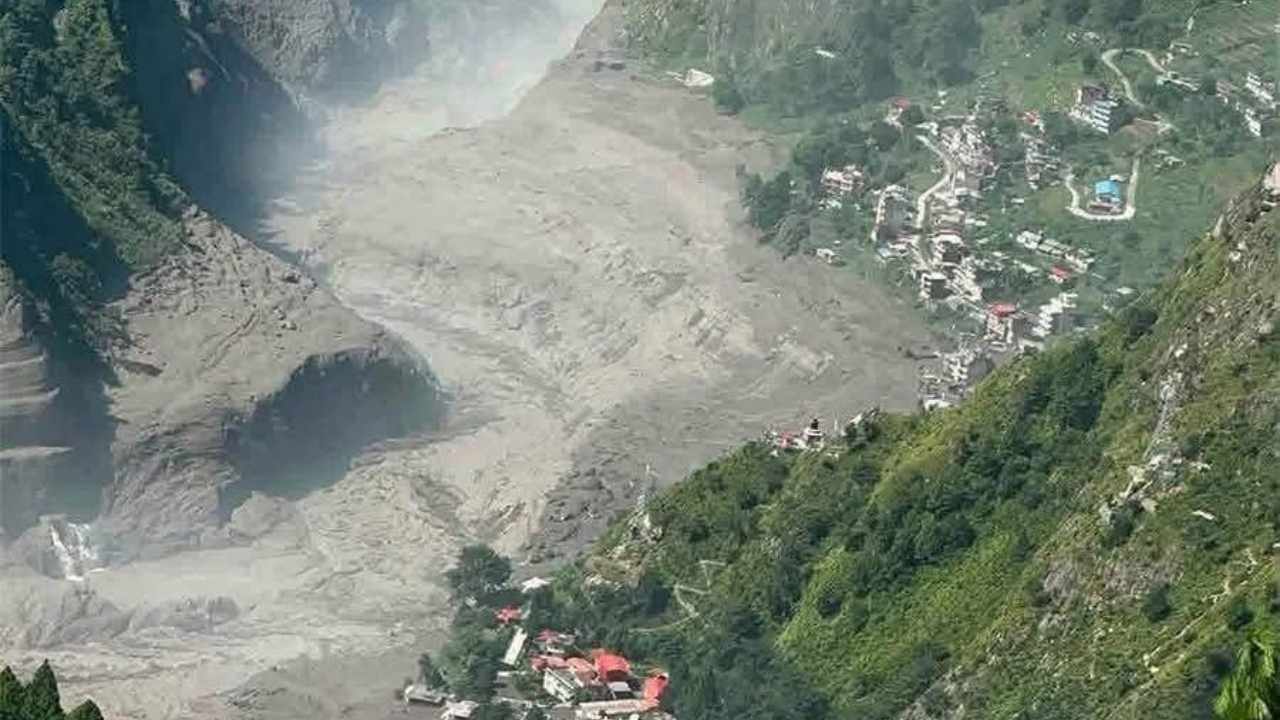
A devastating flash flood swept through the Bhote Koshi River corridor in northern Nepal on August 26, killing hundreds of people and leaving a large number of people unaccounted for.
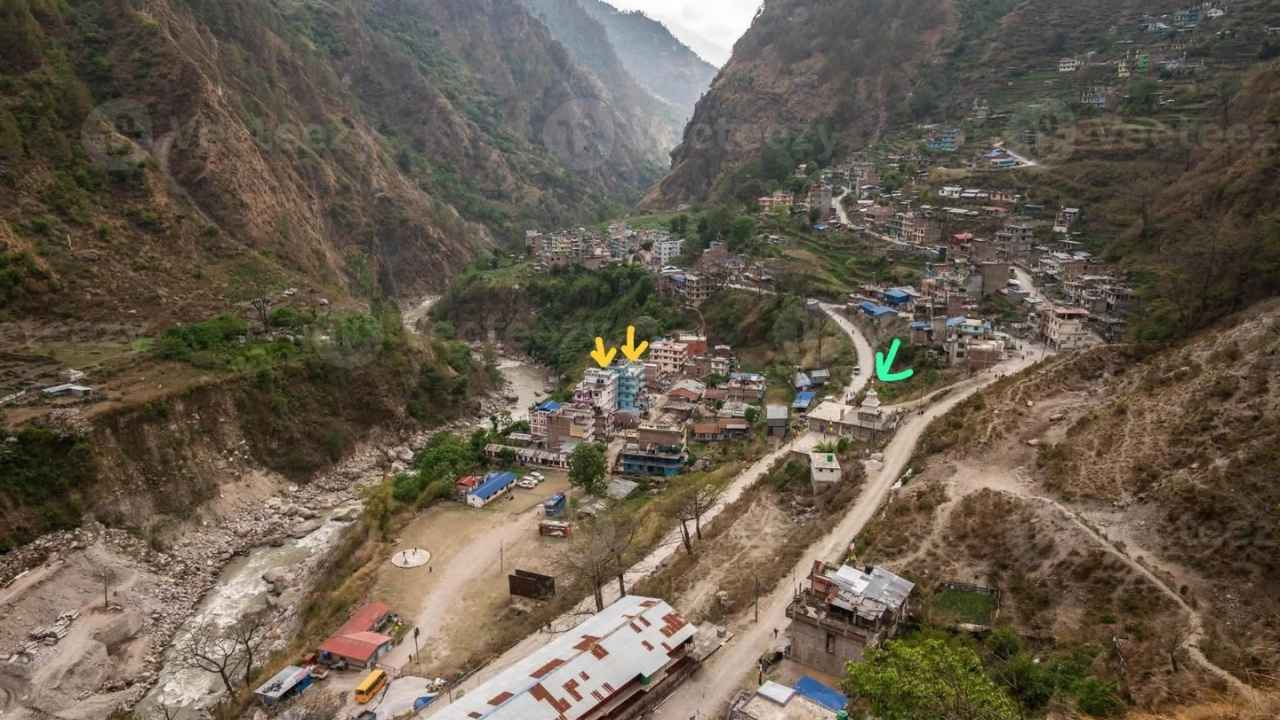
Rasuwa was hit hardest, particularly around Timure, Rasuwagadhi and Syabrubesi. The flood then travelled downstream through the Bhote Koshi and Trishuli river systems, causing widespread destruction in several districts.
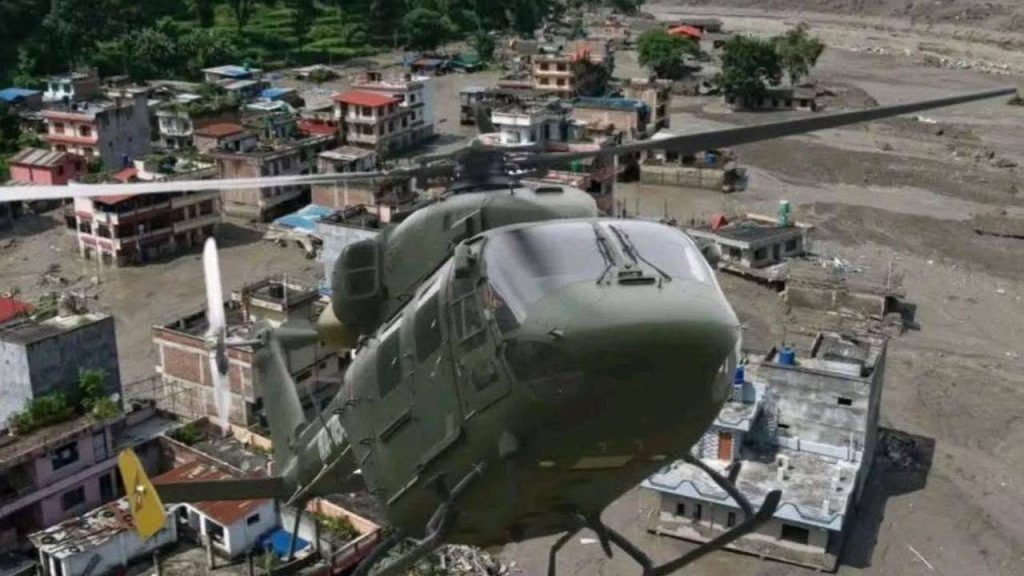
Search and rescue operations are continuing, while authorities are also watching upstream areas for the possibility of another sudden flood.
Nepal Flood Update 2026: What Caused the Bhote Koshi Flood?
The flood was triggered by a glacier and ice-rock collapse near the Nepal-Tibet border, which sent a huge mass of ice, rock, mud and water into the river system.
Satellite imagery and geological assessments indicate that a section of glacier and the bedrock beneath it collapsed, creating a powerful debris flow that entered the river system and moved rapidly downstream.
The exact chain of events is still being studied. The initial assumption that an earthquake caused the disaster was later challenged by geological and seismic evidence showing that the collapse itself produced the tremor.
Is There Still a Risk of Another Flood?
Yes. The danger is not completely over.
Flood debris has created temporary blockages and lakes in parts of the river system. Authorities are monitoring these areas because a sudden breach could send another surge downstream.
China has also warned about rising water behind a debris blockage on the Tibet side. The situation is being monitored because another sudden release could affect downstream areas.
People living, working or travelling near the Bhote Koshi and downstream rivers should stay away from riverbanks and follow instructions from local authorities.
Latest Nepal Flood Figures
The casualty figures have changed quickly as rescue teams recover bodies and authorities verify reports.
As of August 28:
- 469 people have been reported dead in Nepal, according to Nepal Police.
- Hundreds of people remain missing, with earlier NDRRMA reporting putting the Nepal-side missing figure at 977.
- The Nepal Tourism Board reported 667 tourists and travellers missing in the Rasuwa incident, including 540 foreign tourists and 127 Nepali/NRN travellers.
- NDRRMA reported that 50 foreign nationals had been rescued in its August 27 update.
Important: This is a developing disaster. Death tolls, missing-person figures and nationality lists are being updated as search teams work through the affected areas.
Foreign Nationals Missing
The number of foreign nationals reported missing has changed several times since the flood.
A Nepal Tourism Board update reported 540 foreign tourists among 667 missing tourists and travellers, from 33 countries.
Separately, Nepal’s Ministry of Foreign Affairs published a detailed list showing 596 foreign nationals still missing at 8pm on August 27. That list included people who were reported missing by different agencies and was still being verified.
Because these lists were issued at different times and by different agencies, the figures should not be treated as one single final count.
Detailed Foreign-National List
The Nepal Foreign Ministry’s detailed list recorded the following numbers still missing:
India: 288
United States: 65
Ukraine: 53
Malaysia: 51–55
United Kingdom: 33
Australia: 25–34
Canada: 25
Singapore: 9
Germany: 8
South Korea: 9
Russia: 8
Latvia: 6
South Africa: 6
Japan: 5
New Zealand: 5
France: 4
Portugal: 3
Spain: 3
Belgium: 2
Ireland: 2
Netherlands: 2
Kazakhstan: 2
Belarus: 1
Finland: 1
Hungary: 1
Israel: 1
Lithuania: 1
Philippines: 1
Serbia: 1
Sweden: 1
Damage to Homes and Communities
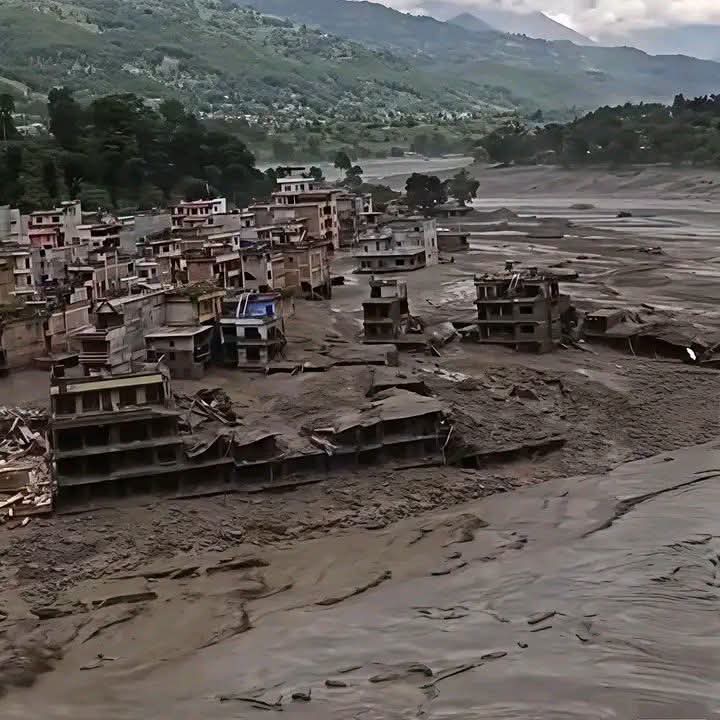
The flood caused severe destruction in Rasuwa, particularly around Timure, Rasuwagadhi and Syabrubesi.
Homes and other buildings along the river were swept away or buried under mud and debris. Some settlements suffered extensive damage.
Damage also spread downstream into Nuwakot, Dhading and other areas along the Trishuli River system.
There is still no reliable final nationwide figure for the number of houses destroyed or damaged. A full assessment will take time because many affected areas remain difficult to reach.
Schools and Public Infrastructure
The flood has also damaged important public facilities.
At least 20 schools in Rasuwa, Nuwakot and Dhading were reported damaged, with mud, sand and silt filling classrooms.
Roads, bridges, hydropower facilities, communication systems and other infrastructure have also suffered extensive damage.
Earlier assessments reported around 40 kilometres of roads and numerous bridges damaged or destroyed. The final infrastructure damage figure is still being assessed.
More Than 300 Vehicles Swept Away
A large number of vehicles were lost at the Rasuwagadhi border area.
Reports indicate that more than 300 vehicles, including electric vehicles and trucks, were swept away or destroyed around the customs area.
Additional vehicles were lost farther downstream, but there is currently no verified total for all vehicles swept away across the affected districts.
What Happened on the Tibet Side?
The disaster also caused major casualties across the border in Tibet.
In Gyirong County, Chinese authorities reported 558 people missing, including 260 foreign nationals in an earlier update. Three deaths were also confirmed on the Chinese side.
The Nepal and Tibet figures should not simply be added together because the two sides are using separate reporting systems and the lists are still being verified.
Is It Safe to Trek in Nepal Right Now?
The Bhote Koshi flood does not mean that all trekking routes in Nepal are unsafe.
The main disaster area is concentrated around Rasuwa and the Bhote Koshi River corridor.
The Everest, Annapurna and Manaslu trekking regions are in different river systems and were not directly hit by this flood.
However, Nepal is currently in the monsoon season. Rain, landslides, damaged roads and flight delays can still affect travel in many parts of the country.
Before travelling, trekkers should check the latest road, trail and weather conditions.
Everest Base Camp Trek
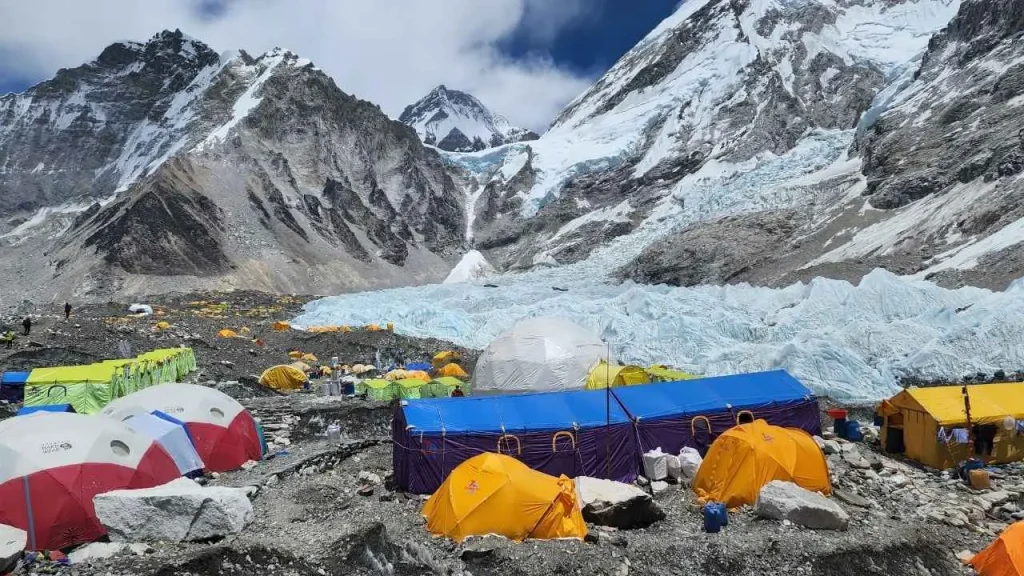
The Everest Base Camp Trek is not directly affected by the Bhote Koshi flood.
The Everest region is in a different river system, and the main trekking route through Namche Bazaar, Tengboche, Dingboche and Everest Base Camp is outside the immediate flood zone.
The main concern for Everest travellers right now is monsoon weather and transportation, particularly flights to Lukla.
Flights can be delayed or cancelled because of poor visibility and changing weather conditions. Travellers should keep extra time in their itinerary rather than relying on a tight flight connection.
Annapurna Base Camp Trek
The Annapurna Base Camp Trek is also outside the main flood-affected area.
The Annapurna region drains through different river systems from the Bhote Koshi.
However, monsoon landslides can affect roads leading to the trekking starting points. Check the current road condition before leaving Kathmandu or Pokhara.
Manaslu Circuit Trek
The Manaslu Circuit was not directly affected by the Bhote Koshi flood.
The trekking route is separate from the Rasuwa disaster area.
The main concern is access. Roads through central Nepal can be affected by monsoon landslides and flood damage, so travellers should confirm road conditions before beginning the journey.
Langtang Valley Trek
We do not recommend travelling to Langtang Valley at this time.
Langtang is in Rasuwa District, the district at the centre of the current disaster.
The road toward Syabrubesi has been badly affected, and conditions around the flood-hit areas remain uncertain.
Until local authorities confirm that the access road and surrounding areas are safe, travellers should avoid travelling to Langtang Valley.
What Trekkers Should Do Now
If you are planning a trek in Nepal in the coming days:
- Check the latest road and trail conditions before leaving Kathmandu.
- Ask your trekking agency or guide to confirm the current access situation.
- Keep your itinerary flexible during the monsoon.
- Allow extra time for possible flight and road delays.
- Do not cross closed roads, damaged bridges or active landslide areas.
- Stay away from rivers and riverbanks in flood-affected areas.
- Follow instructions from local authorities and security teams.
- Avoid Langtang Valley until the Rasuwa access route is confirmed safe.
- Do not rely on old social media posts for current road or trail information.
What This Means for Tourists Travelling in Nepal
If you are already in Nepal or planning to arrive soon, there is no need to cancel every trip because of the Rasuwa disaster.
The important point is to avoid the affected areas and check conditions before travelling.
Travellers heading toward Rasuwa, Langtang or the northern border should wait for updated information about roads and access.
Those travelling to other parts of Nepal should still expect monsoon-related delays and should keep their plans flexible.
The Bottom Line
The Bhote Koshi flood is a major disaster in northern Nepal, with hundreds of deaths, hundreds of people still missing and severe damage to homes, roads, bridges, vehicles, schools, hydropower facilities and other infrastructure.
The flood was caused by a sudden glacier and ice-rock collapse near the Nepal-Tibet border, which released a massive flow of water, rock, ice and mud into the river system.
The danger has not completely disappeared. Authorities are monitoring temporary river blockages and newly formed lakes because another sudden release could cause further flooding.
For trekkers, the situation is different from saying “Nepal is unsafe.”
Everest Base Camp, Annapurna Base Camp and Manaslu were not directly affected by this flood. They can still face normal monsoon problems such as rain, landslides and transport delays, so current conditions should be checked before departure.
Langtang Valley should be avoided for now because it is in Rasuwa District and access through the flood-affected area remains disrupted.