If you are planning to come to Nepal for trekking this autumn, you have probably seen the news about the floods and landslides and are now wondering whether you should still travel.
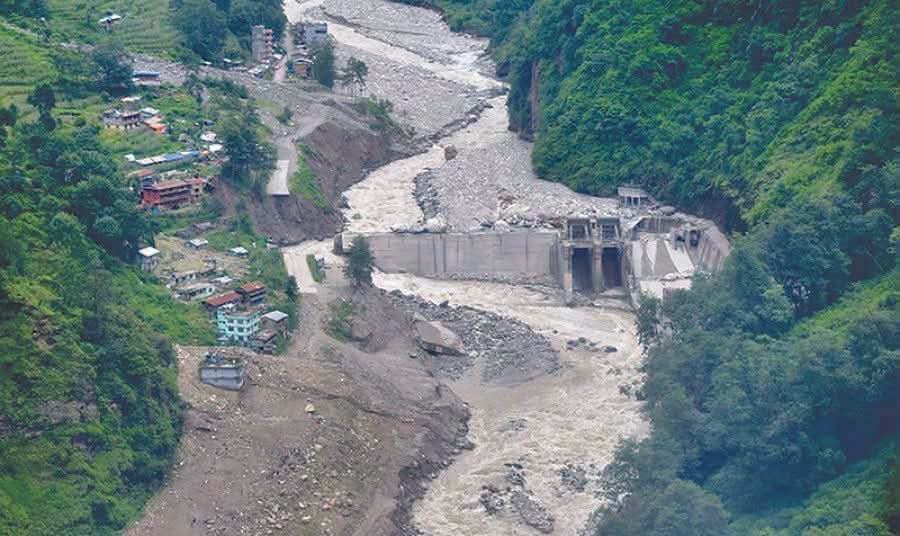
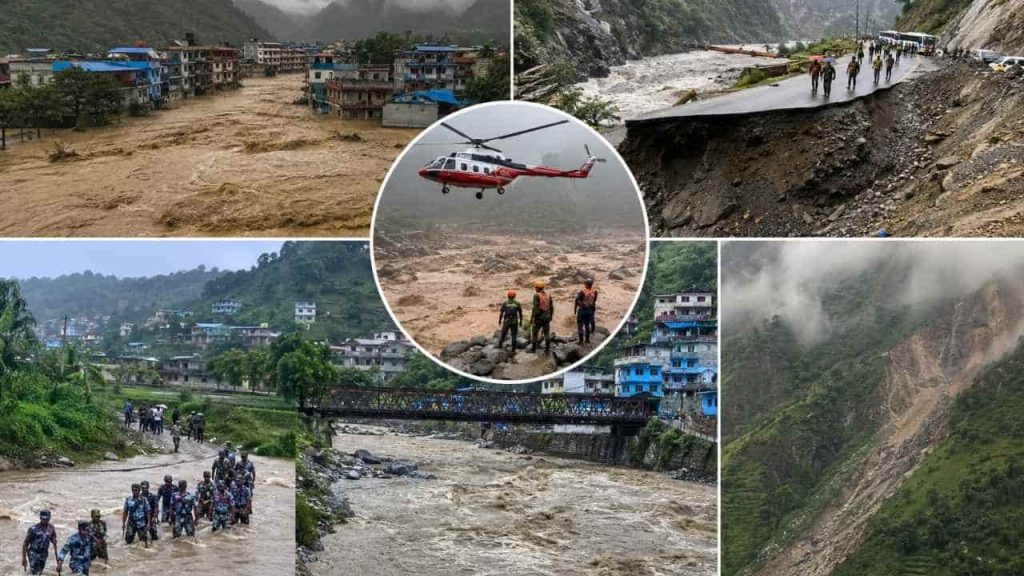
That is a fair question. The flooding on August 26 caused very serious damage in northern Nepal, particularly around the Bhote Koshi and Trishuli river corridors and Rasuwa district. More than 1,100 people have been reported dead and thousands remain missing, while rescue and recovery work is still continuing.
I work in trekking in Nepal, and when we have guests coming into the country, we don’t look at the situation only from the news. We check the road our driver will use, speak with guides and people in the trekking areas, check transportation, and look at the weather before deciding whether an itinerary should continue as planned.
What Happened in Nepal?
On August 26, a major flood struck the Bhote Koshi and Trishuli river systems in northern Nepal. Rasuwa and the areas around the Nepal–China border were among the worst affected, with roads, bridges, settlements, and infrastructure severely damaged.
The damage is particularly serious because some of the affected areas are narrow mountain valleys. Once a road or bridge is washed away in such terrain, reopening the route is not simply a matter of removing mud with an excavator. Engineers have to assess the road, riverbanks, and surrounding slopes before reconstruction can safely begin.
The Nepal Tourism Board has also asked travelers to avoid flood-affected areas and has been issuing situation updates as access conditions change.
For travellers, this means the information you received when you booked your trek may no longer be enough. The route should be checked again shortly before you travel.
Is Nepal Safe for Trekking Now?
There is no single answer for the whole country.
If you are asking about Rasuwa, Syabrubesi and the Langtang access corridor, I would be much more cautious right now. The flood directly affected this part of the country, and the normal road access has been badly disrupted.
If you are asking about Everest, Annapurna or several other trekking regions, the situation is different. These areas are in different river systems and were not directly hit by the main Bhote Koshi flood. Recent trekking-sector updates have reported Everest, Annapurna, Kanchenjunga, Makalu and several other major regions as outside the direct flood-affected area, although access roads still need to be checked.
This distinction is important. A damaged road in Rasuwa does not mean the trail to Everest Base Camp has been damaged. A landslide on the Kathmandu–Pokhara highway does not mean Annapurna Base Camp has been destroyed.
The trail condition and the transportation used to reach the trail are two separate things.
The Main Problem for Trekkers: Road Access
At the moment, one of the biggest practical problems for travellers is not the condition of every trekking trail. It is getting from one part of Nepal to another.
Several major highways have been affected by floods and landslides. Some roads are completely disrupted, while others are operating with restrictions or one-way traffic. The Galchhi–Trishuli–Betrawati–Mailung–Syabrubesi–Rasuwagadhi corridor is among the seriously affected routes.
For a trekker heading toward Pokhara, Chitwan or another destination, this means we have to look at the road condition on the actual day of travel.
A road can be open in the morning and temporarily closed later because of a landslide. Another section may be open but moving very slowly because traffic is being controlled through a damaged area.
That is why I would not advise anyone to depend on an old Facebook post, a week-old travel blog or an itinerary written before the flood.
Kathmandu to Pokhara Road Condition After the Flood
The Kathmandu–Pokhara road is one of the most important routes for trekkers because Pokhara is the starting point for many Annapurna treks.
The normal route follows the Prithvi Highway. Since the recent floods and landslides, some sections of this highway have been badly damaged. In places, the problem is more than loose stones or mud on the road; sections of the road itself have been affected and require repair and reconstruction.
Some damaged sections may take more than two weeks to rebuild, depending on the extent of the damage, weather and access for construction equipment. Road conditions are changing, so I would not give a traveller a fixed promise that the highway will be fully normal on a particular date without checking it again.
This does not mean Pokhara is closed.
It means the normal way of reaching Pokhara may not always be the best option.
There Is an Alternative Route Through Hetauda
If the normal Kathmandu–Pokhara road is badly affected, one option is to take a longer route through Hetauda.
This is not the route we would normally choose when the Prithvi Highway is working well. It takes considerably longer and can make the travel day tiring, especially for someone who has just arrived in Nepal.
But after a major road disruption, I would rather add several hours to a journey than send a vehicle through a section that is not suitable for normal travel.
The decision has to be made according to the road situation on that day. If the alternative route is operating safely, it can allow travellers to continue toward Pokhara while repair work continues on the damaged sections of the usual highway.
For trekkers, this may mean adjusting the itinerary by half a day or a full day. That is much easier to manage than taking an unnecessary risk on a damaged road.
Kathmandu to Pokhara by Domestic Flight
Flying is another option for travellers who have limited time.
Domestic flights connect Kathmandu and Pokhara, and when the weather and flight schedule allow, flying can avoid the damaged road sections completely. For someone with a short itinerary, this can make more sense than spending a full day on an uncertain road.
But I would not tell every traveller simply to book a flight and forget about the road.
Flights in Nepal depend heavily on weather conditions. During periods of cloud, rain or poor visibility, delays and cancellations can happen. We therefore check both options and decide according to the conditions.
If the road is safe and moving normally, travelling by road may be fine. If the road is badly disrupted and flights are operating, flying may be the more practical choice.
Kathmandu to Chitwan Road Conditions
Chitwan is another destination where road access needs to be considered carefully.
The normal journey from Kathmandu uses the highway toward Muglin and Narayanghat. This corridor is already known for landslides during heavy monsoon rain, and the recent flood situation has created additional disruption on parts of the national road network.
If the normal road is open and conditions are good, travellers can use it. If there is a serious blockage, an alternative route through Hetauda can be considered depending on the current road situation.
The important point is that a problem on the road does not automatically mean Chitwan is closed. The road and the destination are two different things.
If you are travelling to Chitwan during this period, allow extra time and check the road shortly before leaving Kathmandu.
Why You Should Not Keep a Tight Road Schedule
Under normal conditions, we can give guests a fairly reliable estimate for a road journey.
After a major flood, I would not plan that way.
If a journey normally takes six hours, give yourself considerably more time. A landslide can stop traffic, road workers may need to clear debris, or traffic may be allowed through a damaged section only in one direction.
This becomes especially important if you have an international flight from Kathmandu.
If you are returning from Pokhara, Chitwan or another distant destination before flying home, don’t arrange the road journey so tightly that one landslide can cause you to miss your flight.
A spare day in Kathmandu may feel unnecessary when you are planning the trip from home. Once you are travelling in Nepal during this period, that extra day can become very useful.
What Is Happening Around Rasuwa and Langtang?
Rasuwa is one of the areas where I would tell travellers to be particularly careful.
The road corridor through Galchhi, Trishuli, Betrawati, Mailung and Syabrubesi toward Rasuwagadhi was heavily affected. The damage to roads and bridges has made normal access difficult, and the border area remains seriously disrupted.
This directly affects people planning Langtang and other trips that depend on the Rasuwa road.
The Nepal Tourism Board has advised travellers to avoid flood-hit areas, which is particularly relevant when planning travel into the affected northern corridor.
I would not send a normal Langtang group through the traditional access route without first confirming the current condition of the road and trail.
What About Langtang Trek?
Langtang is one of the trekking regions that needs the most careful planning after this flood.
The upper valley should not simply be described as completely destroyed. The bigger immediate problem for trekkers is access to the region, particularly the traditional road through Dhunche and Syabrubesi.
Some alternative approaches may be discussed depending on current conditions, but this is not a situation where I would recommend choosing an alternative route simply because it appears on a map. After a major flood, the condition of bridges, slopes, trails and local roads has to be checked on the ground.
If you already booked Langtang, speak with your trekking company before cancelling your entire Nepal trip. Depending on your travel dates, you may be able to postpone Langtang or change to another trekking region.
Is Everest Base Camp Trek Affected?
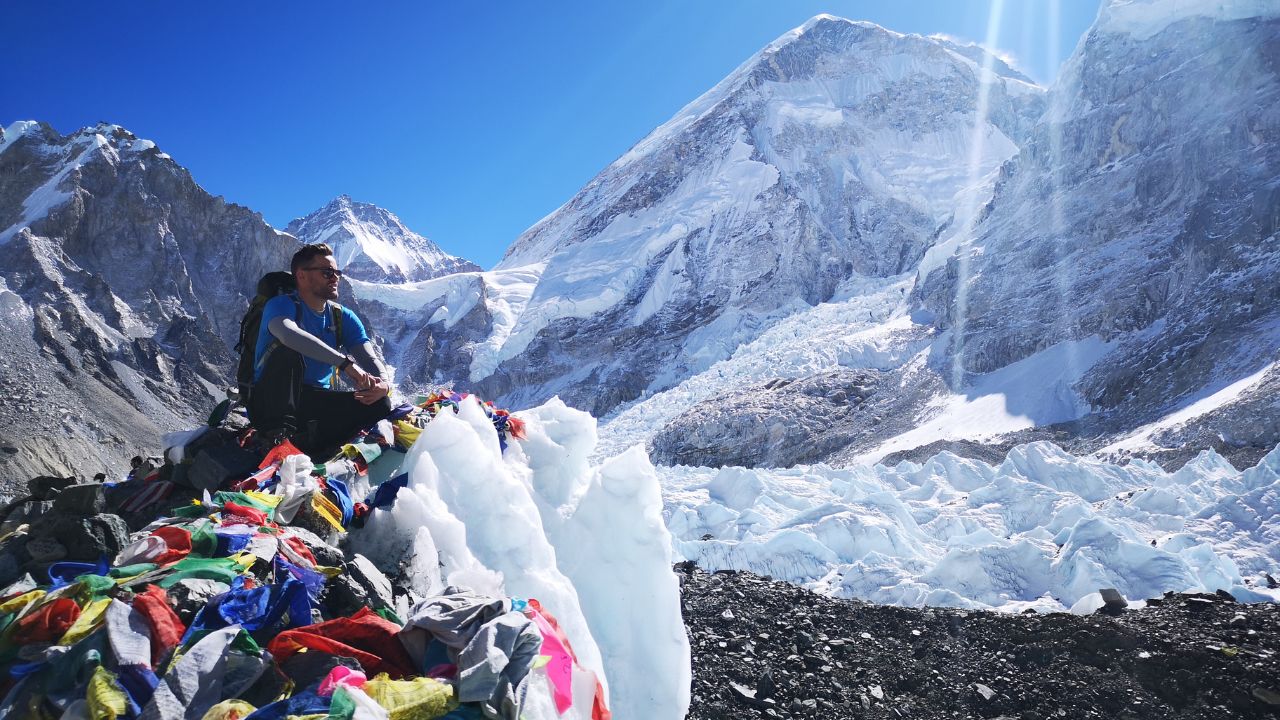
The Everest region is not in the main Bhote Koshi flood corridor.
The standard Everest Base Camp Trek begins with transportation toward Lukla, so trekkers do not need to travel through the damaged Rasuwa road corridor to reach the Everest region.
Recent trekking-sector reports have continued to list Everest among the major trekking regions outside the direct impact of this particular flood.
The issue I would watch more closely for Everest is Lukla flight operation. Weather can affect flights, especially during the transition out of the monsoon.
If you are planning Everest Base Camp, leave some flexibility in your schedule. If your flight is delayed, having an extra day can prevent the rest of your itinerary from becoming a problem.
What About Gokyo and Three Passes?
The same general situation applies to the Gokyo and Everest Three Passes routes.
They are in the Everest region rather than the main flood-affected Rasuwa corridor. The flood itself is therefore not a reason to assume these trails are closed.
However, these are high-altitude routes where weather and trail conditions always matter. Three Passes in particular should not be treated like an ordinary low-altitude trek, so the final route decision should be based on the conditions reported by guides and people currently in the area.
What About Annapurna Base Camp Trek?
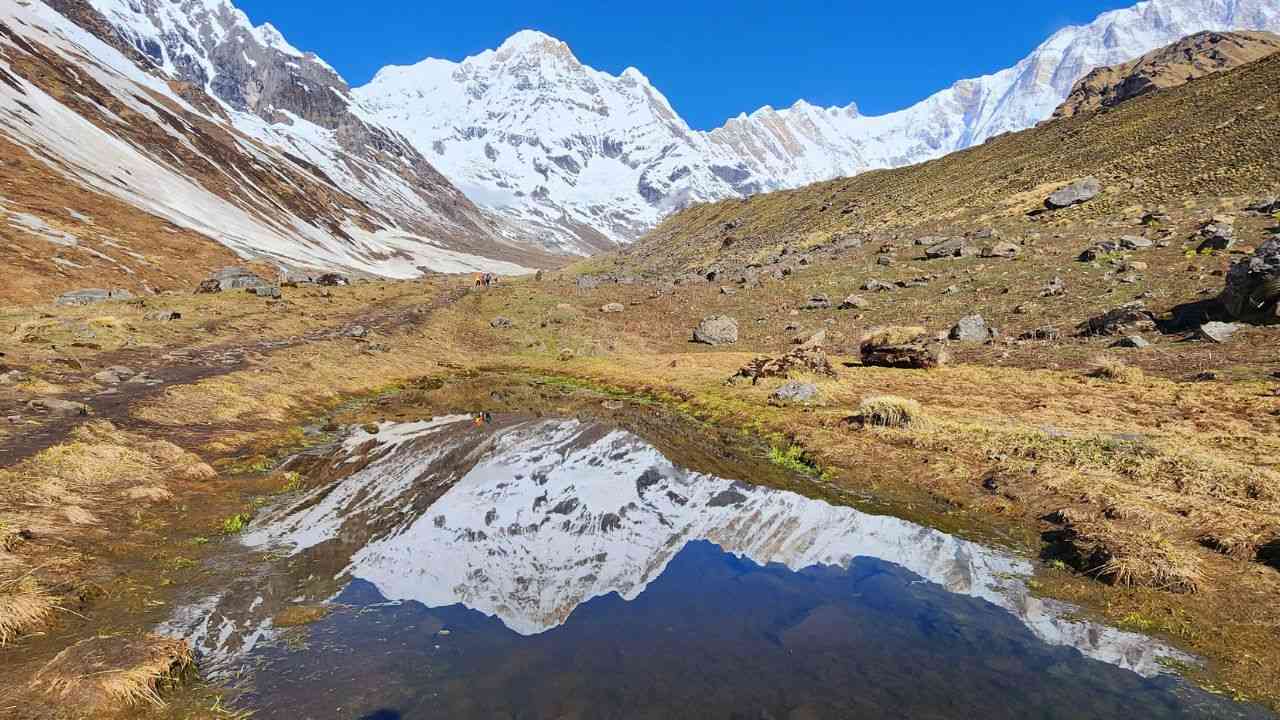
The Annapurna region was outside the main Bhote Koshi flood corridor.
For someone planning an Annapurna Base Camp Trek, the issue at the moment is more likely to be transportation between Kathmandu and Pokhara than the flood damaging the ABC trail itself.
If the Prithvi Highway is operating safely, you can travel overland. If damaged sections are causing serious delays, the longer route through Hetauda can be considered. If you have limited time and flights are operating, Kathmandu–Pokhara by domestic flight is another option.
Once you reach Pokhara, your trekking company should check the current trail, weather and accommodation conditions before starting the trek.
What About Ghorepani Poon Hill Trek?
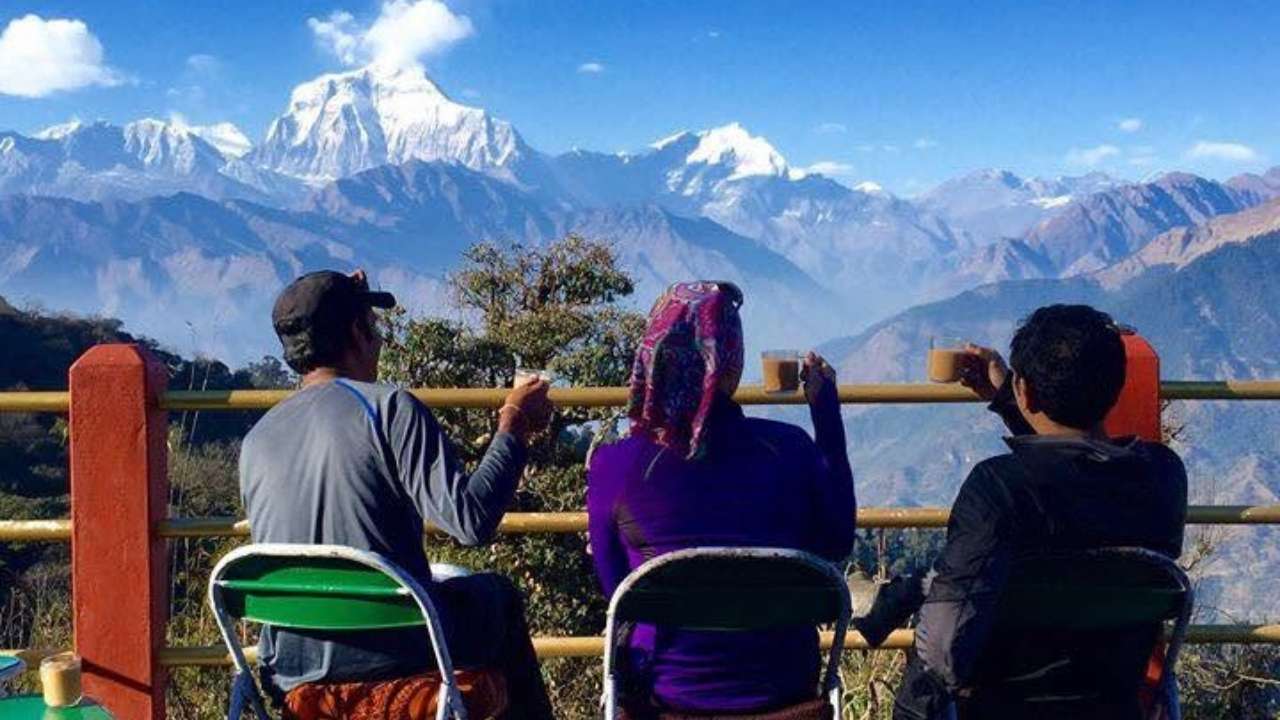
Ghorepani and Poon Hill are also in the Annapurna region and are outside the main Bhote Koshi flood corridor.
For travellers looking for a shorter trek, the Ghorepani Poon Hill Trek can therefore still be considered, subject to current trail and weather conditions.
Again, the first question is how you are getting to Pokhara. If the road is moving normally, use the road. If the Prithvi Highway has serious disruption, consider the available alternatives instead of cancelling the whole trek simply because the normal road is difficult.
What About Annapurna Circuit?
The Annapurna Circuit is also separate from the main flood-affected corridor.
However, it is a much longer route and conditions can differ considerably between sections. The road access to the starting point, the condition of the trekking trail and the weather at higher elevations all need to be checked separately.
For an Annapurna Circuit itinerary, I would particularly recommend leaving some flexibility in the transport schedule before and after the trek.
What About Manaslu?
Manaslu is another trekking region that was not directly hit by the main Bhote Koshi flood.
The approach road is still something we need to check carefully because mountain roads can be affected by landslides even when the trekking trail itself is fine.
For Manaslu, I would not rely on a road report from several days earlier. Drivers and guides travelling in the area can provide a much better indication of whether the approach is practical on the day you intend to travel.
What About Mustang?
Mustang is far from the main Rasuwa disaster area.
That does not mean every road into Mustang should automatically be considered normal. Mustang has its own road, weather and landslide issues, particularly around the monsoon period.
The difference is that these are local access issues, rather than the direct consequences of the Bhote Koshi flood.
If Mustang is your planned destination, check the current road and flight situation rather than cancelling simply because of the flood news from northern Nepal.
What About Kanchenjunga and Makalu?
Kanchenjunga and Makalu are in eastern Nepal and are outside the main flood-affected corridor.
Both are remote trekking regions, so they require more preparation than a standard Everest or Poon Hill itinerary. Transportation is less straightforward, facilities are more limited and the trekking days are longer.
They can still be considered by experienced trekkers, but I would not recommend changing from a short trek to Kanchenjunga or Makalu at the last minute without understanding what the trek involves.
What About Dolpo, Rara, Jumla and Humla?
The western trekking regions were not at the centre of the Bhote Koshi disaster.
Dolpo, Rara, Jumla and Humla therefore remain geographically separate from the main flood-affected area. Their main difficulties are the normal ones associated with remote travel: limited transportation, changing weather, long distances and fewer facilities.
For experienced trekkers, these regions remain possible options, but they are not simple replacements for a one-week trek.
Which Trekking Routes Should You Consider Now?
Based on current information, several major trekking regions remain possible for autumn travel, provided the specific route and access are checked before departure.
Everest Region
- Everest Base Camp
- Gokyo
- Everest Three Passes
Annapurna Region
- Annapurna Base Camp
- Ghorepani Poon Hill
- Annapurna Circuit
Other Regions
- Manaslu
- Mustang
- Kanchenjunga
- Makalu
- Dolpo
- Rara
- Jumla
- Humla
Recent trekking-sector updates have also reported Everest, Annapurna, Kanchenjunga, Makalu, Rolwaling, Helambu, Dhaulagiri, Dolpo, Rara, Jumla, Humla and Far West as outside the direct impact of the August 26 flood, while Langtang, Ganesh Himal, Ruby Valley and some Manaslu access routes require more careful planning.
That does not mean every trail in those regions is guaranteed to be open. It means they should be assessed separately from the Rasuwa flood zone.
Should You Cancel Your Nepal Trip?
If you are travelling to an area directly affected by the flood, postponing or changing the itinerary may be the sensible decision.
If your trek is in Everest or Annapurna, I would not cancel the entire Nepal trip simply because you have seen the flood reports.
Instead, look at the transportation you need.
For Annapurna, check the Kathmandu–Pokhara road and flight options. For Everest, check the Lukla flight situation. For Langtang, check the Rasuwa and Syabrubesi access before making any decision.
This is how we are advising trekkers at the moment: don’t make a country-wide decision for a route-specific problem.
The Kathmandu–Pokhara Road May Change Your Trekking Plan
- If you are booked for Annapurna Base Camp, Poon Hill or another Pokhara-based trek, the road condition is probably the most important thing to monitor before arrival.
- If the Prithvi Highway is usable, we can continue with the normal plan.
- If a section is badly damaged, we can look at the longer Hetauda route.
- If you have limited time and domestic flights are operating, we can consider flying to Pokhara.
- If neither option is suitable because of weather or road conditions, the responsible decision may be to wait.
This is why I would advise travellers to book with some flexibility rather than arranging every transportation connection down to the last hour.
What About Chitwan?
Chitwan can still be included in a Nepal itinerary, but allow more time for the road journey.
The normal Kathmandu–Chitwan route can be affected by landslides, and after the recent flooding it is particularly important to check the current road condition before departure.
If the usual route is badly disrupted, the Hetauda option may be considered when the road conditions allow.
Chitwan has also been affected by the wider consequences of the flooding, so visitors should follow local instructions and avoid areas involved in rescue and recovery work.
Do Not Travel to Flood-Affected Areas Just to See the Damage
This is something I would tell every guest directly.
Do not ask your driver to take you toward an affected area just because you want to see what happened. Do not walk onto a damaged bridge or road because other people are doing it, and do not go close to unstable riverbanks to take photographs.
After a flood of this scale, the danger does not end when the water goes down. Roads can collapse, slopes can move and riverbanks can remain unstable.
The people in those areas are dealing with the loss of family members, homes, and businesses. They need rescue workers and support, not visitors entering restricted areas for photographs.
What Should You Check Before Travelling to Nepal?
If you are coming to Nepal in September, October or November, I recommend checking these things shortly before departure:
- Your exact trekking route
- Road access from Kathmandu
- Domestic flight availability
- Current weather
- Trail condition
- Accommodation along the trek
- Alternative transportation
- Your travel insurance
- Extra time before your international flight
Do not rely only on information from the day you booked your trek.
The situation is changing, particularly on the roads.
What We Check Before a Trek Starts
When we arrange a trek, the work does not begin when the guest arrives at the airport.
Before sending a group toward Pokhara, for example, we check the current road situation and speak with the driver. If the normal Prithvi Highway has a serious problem, we look at whether the Hetauda route is practical. If the road journey is likely to be too difficult for the particular group and flights are operating, we discuss the flight option.
For Everest, we watch the Lukla flight situation and weather. For Langtang, we pay much closer attention to Rasuwa and Syabrubesi because that area has been directly affected.
This is normal work for a trekking operator, but after a disaster it becomes even more important.
What If Conditions Change After You Arrive?
This is also something travellers should discuss before booking.
Suppose you arrive in Kathmandu and the road to Pokhara is suddenly blocked. The solution is not necessarily to cancel your entire holiday.
We may wait for the road to reopen, use an alternative route through Hetauda, or look at a domestic flight if one is available.
If a trekking region itself becomes unsuitable, then we look at whether the trek can be postponed or whether another region makes sense.
The important thing is to have someone in Nepal who can make those decisions based on current information rather than expecting the original itinerary to remain unchanged regardless of what happens.
Autumn 2026 Will Require More Flexibility
September, October and November are normally the main trekking months in Nepal.
This year, the beginning of the season comes after a major disaster, so transportation will not necessarily operate as it did before the flood. Some roads will take time to repair, and temporary closures can happen while reconstruction is underway.
For trekkers, this means leaving some space in the itinerary.
If your trek ends in Pokhara and you fly home from Kathmandu, don’t plan your return so tightly that one road delay could make you miss your international flight.
If you are going to Everest, keep some flexibility for Lukla.
If you are travelling by road, expect the possibility of delays.
Does This Mean You Should Not Come to Nepal?
No.
It means you should come with a realistic understanding of the current situation.
If you are going to a flood-affected area, you may need to postpone or change your plan.
If you are going to Everest, Annapurna or another region outside the direct flood corridor, check the current access and continue if the conditions are suitable.
The tourism industry in Nepal is already feeling the effect of the flood. Hotels, guides, porters, drivers, restaurants and trekking businesses depend on the autumn season, and a complete cancellation of travel to the entire country would affect people far beyond the flood zone.
But that does not mean we should encourage people to travel where conditions are unsafe.
For us, the order is simple:
Check the route first. Then decide whether to travel.
A Message for Trekkers Planning Nepal
If you have already booked Nepal, don’t panic because of a headline.
Send your trekking company your travel dates and itinerary and ask what the current situation is for your specific route. If you are going to Pokhara, ask about the Prithvi Highway, the Hetauda alternative and domestic flights. If you are going to Langtang, ask specifically about Rasuwa and Syabrubesi.
If you are going to Everest, ask about Lukla flights and weather. If you are going to Annapurna, ask about the road to Pokhara and the condition of your particular trekking route.
These are the questions that will give you a useful answer.
Final Advice From a Trekking Operator
The situation in Nepal is serious, and I don’t think anyone involved in tourism should pretend otherwise. People have lost their lives, homes and businesses, and some of the roads and infrastructure will take time to rebuild.
At the same time, the flood did not affect every trekking region in Nepal.
If you are planning Everest Base Camp, Annapurna Base Camp, Ghorepani Poon Hill, Annapurna Circuit, Manaslu or another route outside the direct flood corridor, check the current transportation and trail conditions before cancelling your trip.
For Pokhara, be prepared for the possibility that the normal Prithvi Highway may not be the best option. If the damaged sections are still under repair, the longer Hetauda route is one possibility, and a domestic flight is another when weather and availability allow.
For Chitwan, check the road before leaving Kathmandu and allow extra time. For Langtang and Rasuwa, take the current access situation much more seriously because that is where the flood directly affected the transportation corridor.
This is how we are handling trips from the ground: we check the actual route, not just the name of the destination.
If the road is safe, we use it.
If the road is damaged, we look for another way.
If a flight makes more sense, we consider flying.
If a trekking route is not safe, we change the plan.
And if the conditions are not suitable at all, we tell the traveller to wait.
That is the most accurate answer we can give right now.
Nepal has been badly affected in some areas, but the entire country is not in the same situation. Before cancelling your trek, check your actual route, the road or flight access, and the latest conditions from people who are currently working there.